
Morocco Trekking Tours: Toubkal, the High Atlas & Sahara Treks with Local Guides
Table of Contents
ToggleThere’s a Morocco you can only reach on foot. It starts where the road ends — a mule track climbing through walnut groves, a stone village stacked against the mountainside, a pass where the wind carries the smell of thyme and snow. Up here, North Africa’s highest mountains hide a world of Berber hospitality, 4,000-metre summits, and silence you can hear. And whether you dream of standing on top of Mount Toubkal or wandering valley to valley between villages, trekking is the deepest way to know this country.
We’re Morocco Desert Hub, a licensed local travel company, and the mountains are personal for us — our guide Simo grew up between the Marrakech souks and these very Atlas valleys, and our founder Salmane was raised in the Dades Valley on the mountains’ southern side. This guide covers the best Morocco trekking tours: the classic Toubkal ascent, the village-to-village routes, the wilder M’Goun massif, desert treks, and the honest advice that keeps you safe and smiling at altitude. By the end, you’ll know exactly which trek is yours — and we’d love to walk it with you.
Why Trek with Morocco Desert Hub
Plenty of companies sell treks. Here’s why hikers trust theirs to us.
We’re a genuine local agency with mountain roots. Morocco Desert Hub was founded in 2010 and is licensed by the Moroccan Ministry of Tourism (license number 258147369), with offices in Marrakech, Casablanca, and Fes. Our founder grew up in the Dades Valley; our Atlas guide Simo knows these trails like his own street. Book with us and you deal directly with the people walking beside you.
We trek the right way. Licensed mountain guides, honest acclimatization pacing, mules to carry the loads, cooks who conjure tagines at altitude, and genuine stays in Berber gîtes and family homes — the traditional Atlas trekking style that supports the villages you walk through.
Every trek is private and matched to you. From gentle valley walks to the Toubkal summit, we calibrate the route, the daily distances, and the comfort level to your fitness and your wishes — no fixed-departure forced marches.
And booking is low-risk. Just a 10% deposit to confirm, 50% on arrival, and the balance at the end of your trip.
Morocco Trekking Tours: A Complete Overview
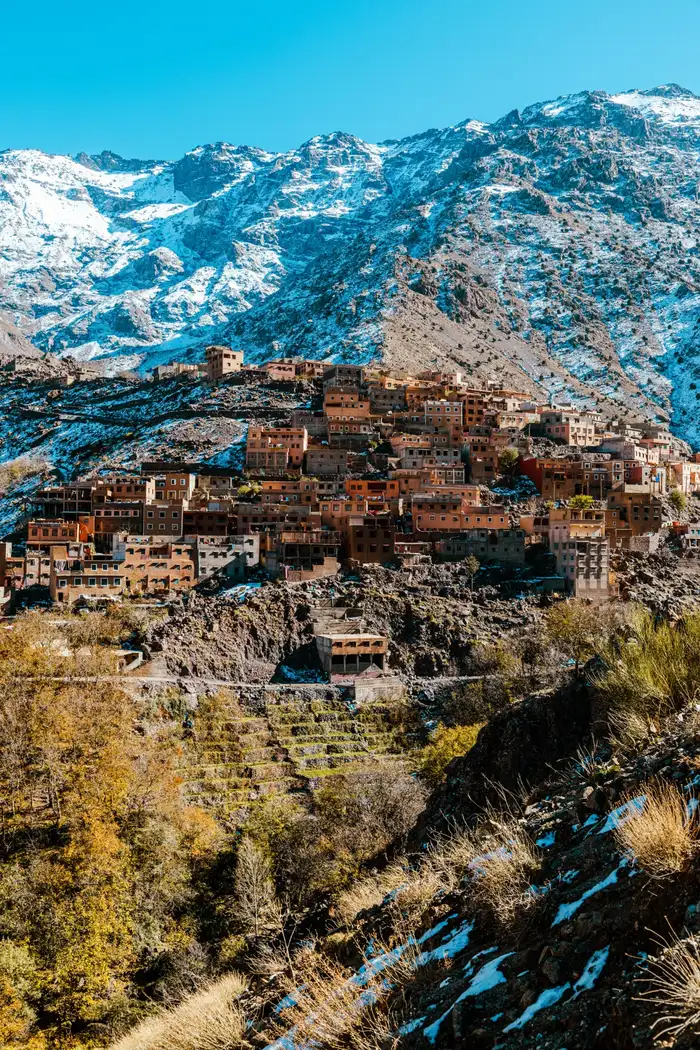
Morocco is one of the world’s great underrated trekking destinations. The High Atlas runs like a spine across the country, crowned by Mount Toubkal — at 4,167 metres, the highest peak in North Africa — and wrapped in valleys where Berber (Amazigh) villages live much as they have for centuries. Trekking here isn’t wilderness backpacking; it’s a cultural journey on foot, moving village to village, sleeping in mountain gîtes and refuges, with mules carrying the gear and mint tea waiting at day’s end.
The classic Morocco trekking tours fall into a few families. There’s the Toubkal ascent — the summit trek every hiker wants. There are village-to-village treks through the valleys around Imlil and beyond, beautiful at any fitness level. There’s the wilder M’Goun massif, for those who want fewer boots on the trail. And there are desert treks — walking or riding with camels through the dunes and oases of the south.
Most treks start from Marrakech, just an hour from the trailheads, which means you can combine mountains, city, and Sahara in one seamless trip. Below are the trekking tours we run most, all private, all guided, all tailored.
Our Morocco Trekking Tours
Every trek below includes a licensed mountain guide, mule support, meals on trek, and private transfers from Marrakech — and each can be adjusted to your fitness and dates.
Mount Toubkal Ascent — 2 Days
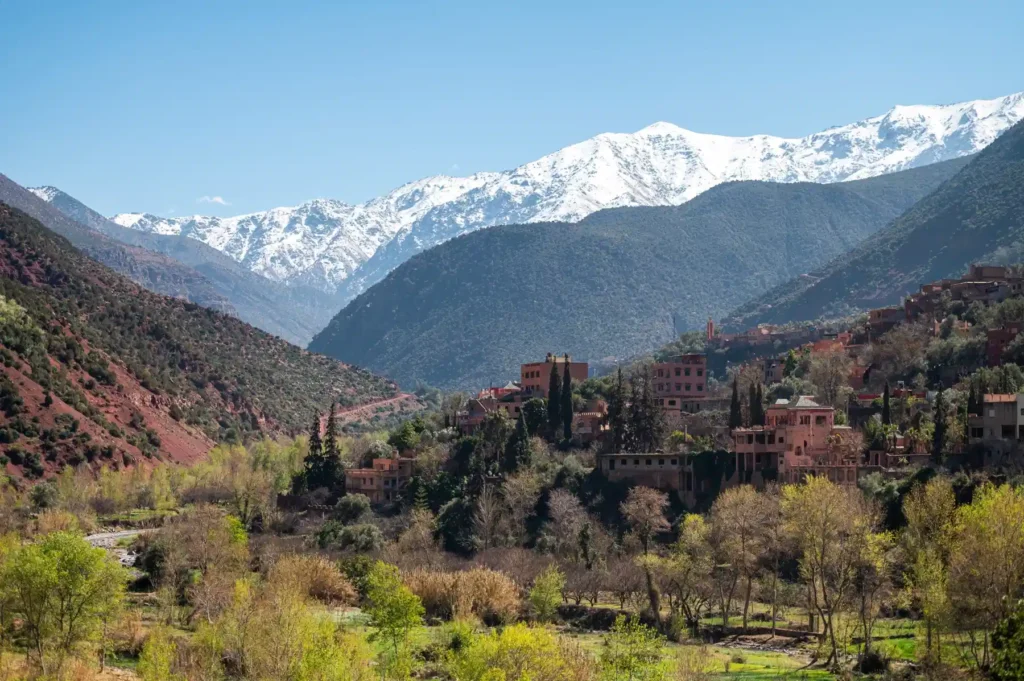
The classic. Day one climbs from Imlil (1,740 m) through the shrine village of Aroumd and the Mizane Valley to the Toubkal refuge (3,207 m). Day two starts before dawn for the push to the summit of North Africa — 4,167 metres, with the Atlas rippling to the horizon and, on clear days, the Sahara’s haze to the south — before descending back to Imlil. A tough, achievable, unforgettable two days for fit hikers.
Toubkal Ascent with Acclimatization — 3 to 4 Days
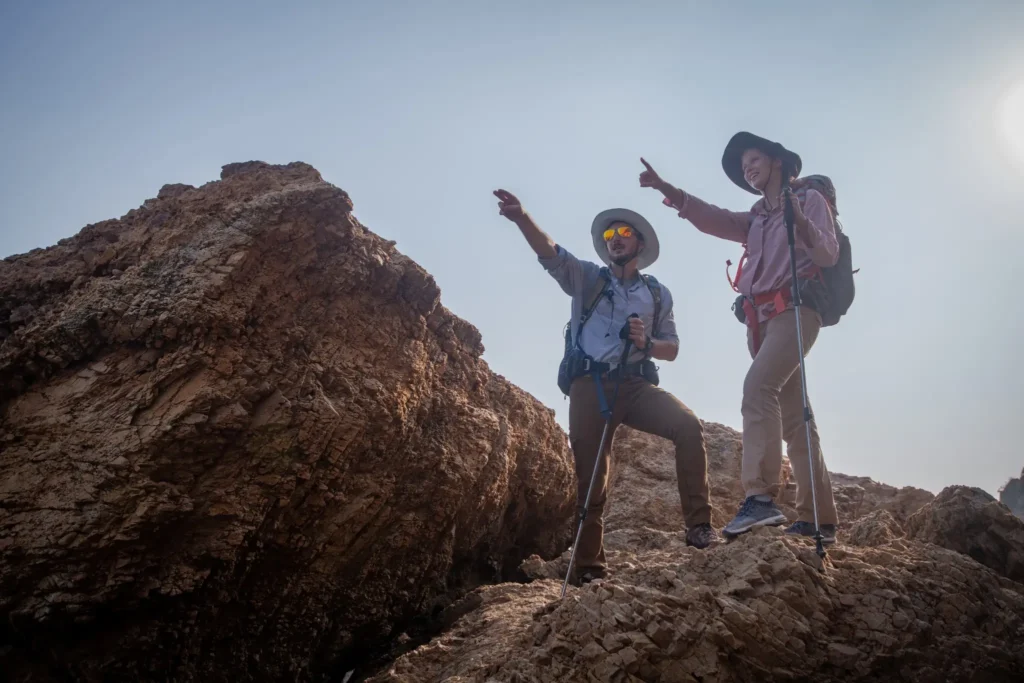
The smarter summit. Extra days looping through the Azzaden Valley or over the Tizi n’Mzik pass build acclimatization and fitness before the top — raising both your summit chances and your enjoyment. Our recommended version for most hikers.
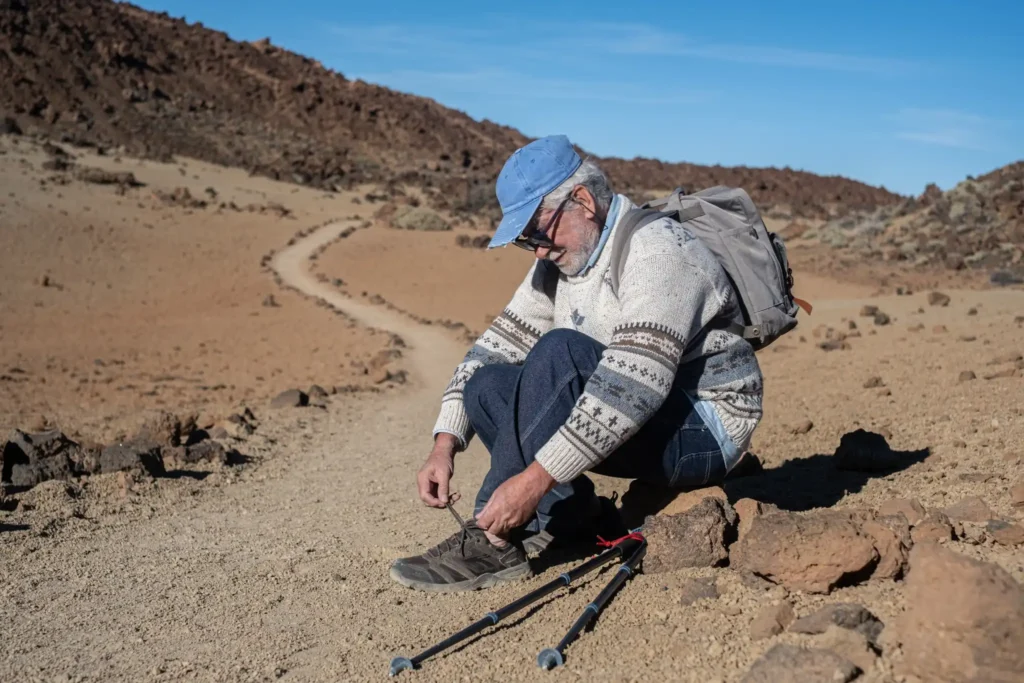
Atlas Valleys & Berber Villages Trek — 3 to 5 Days
No summit, all soul. A village-to-village journey through the Imlil, Azzaden, and Imnane valleys — walnut groves, terraced barley, high passes with immense views, and nights in family-run gîtes where dinner comes from the garden. Moderate walking, maximum culture; our most-loved trek for couples and families.
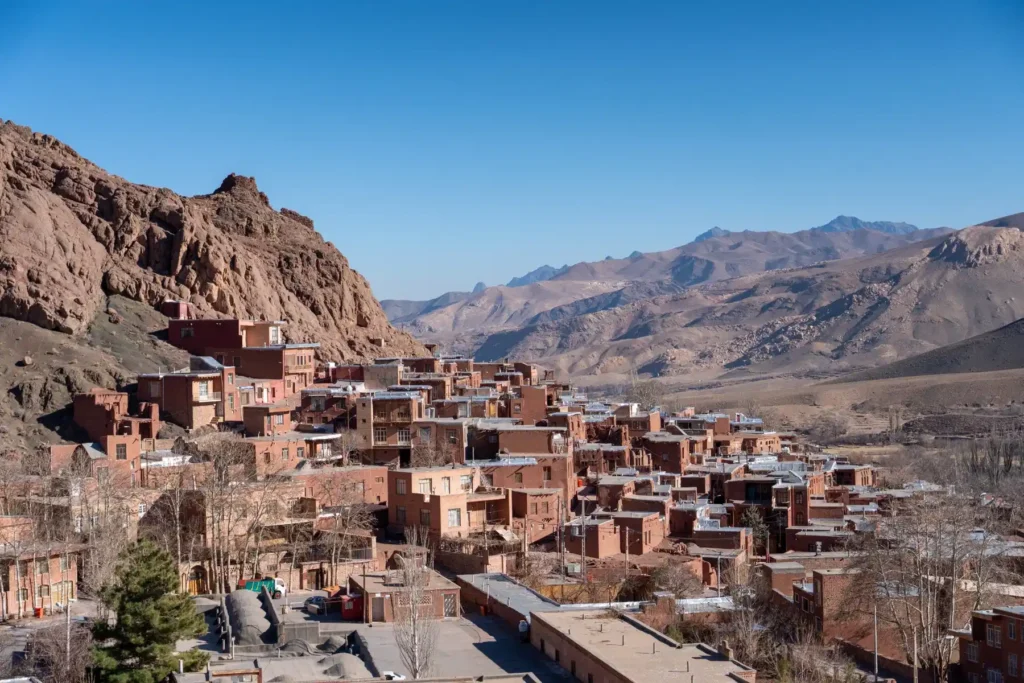
M'Goun Massif Trek — 5 to 7 Days
The connoisseur’s Atlas. East of Toubkal, the M’Goun massif (4,068 m) offers dramatic gorges, the rose-growing Valley of Aït Bougmez — the “Happy Valley” — and trails where you’ll meet more shepherds than trekkers. Wilder, quieter, and profoundly beautiful.
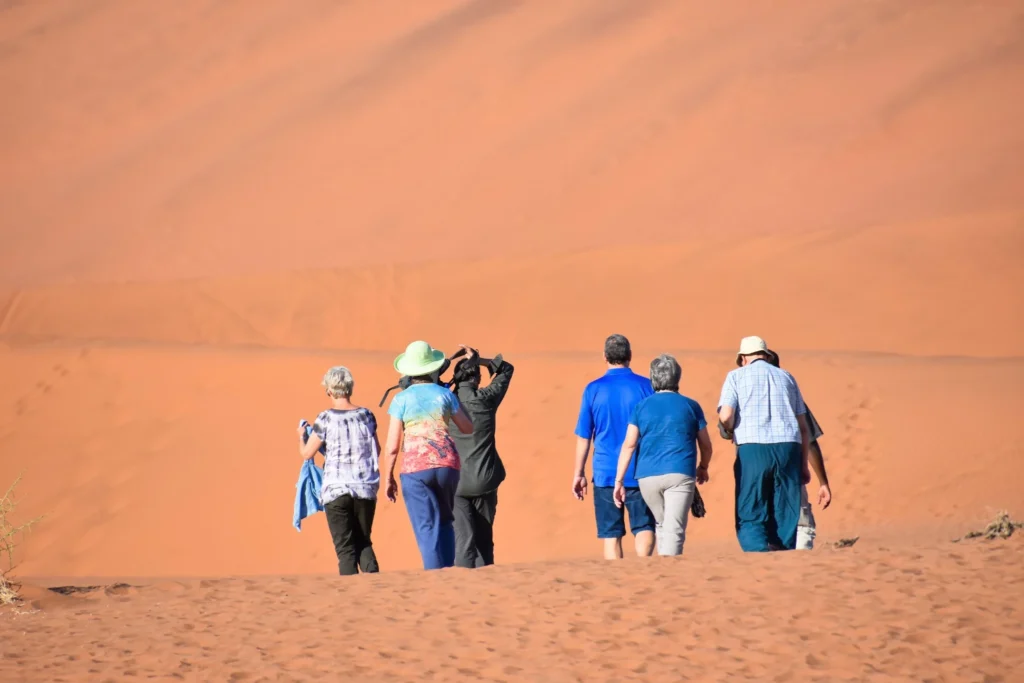
Sahara Desert Trek — 2 to 4 Days
Trekking, desert style: walking with a camel caravan through the dunes and oases around Merzouga or the wilder Erg Chigaga, camping under extraordinary stars. Flat but hypnotic — the desert’s rhythm on foot is something no 4×4 can give you. Pairs perfectly with our Merzouga desert tours.
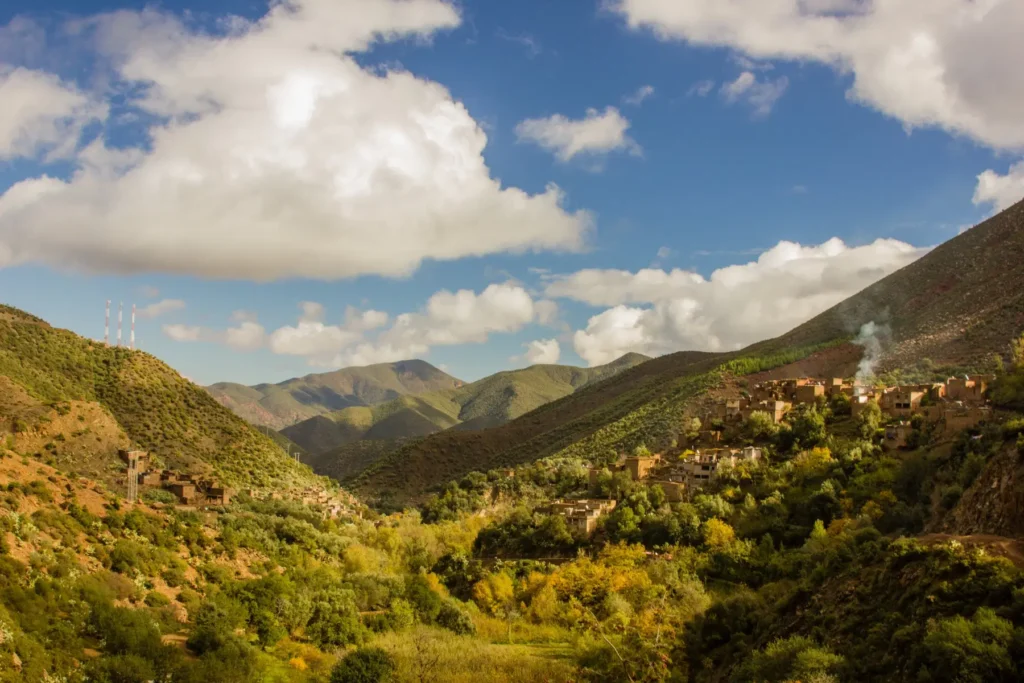
Custom Trekking & Trek-plus-Tour Combinations
Want Toubkal plus a Sahara night? A week of valleys at a gentle pace? A trek woven into a full Morocco custom tour? We design it around you — including single-day Atlas hikes if you’re short on time, via our day trips from Marrakech.
Every trekking tour includes a licensed mountain guide, mule and muleteer support, a trek cook and full meals in the mountains, gîte or refuge accommodation, and private Marrakech transfers — with just a 10% deposit to confirm.
What a Trekking Day in Morocco Looks Like
If you’ve never trekked Atlas-style, here’s the honest rhythm.
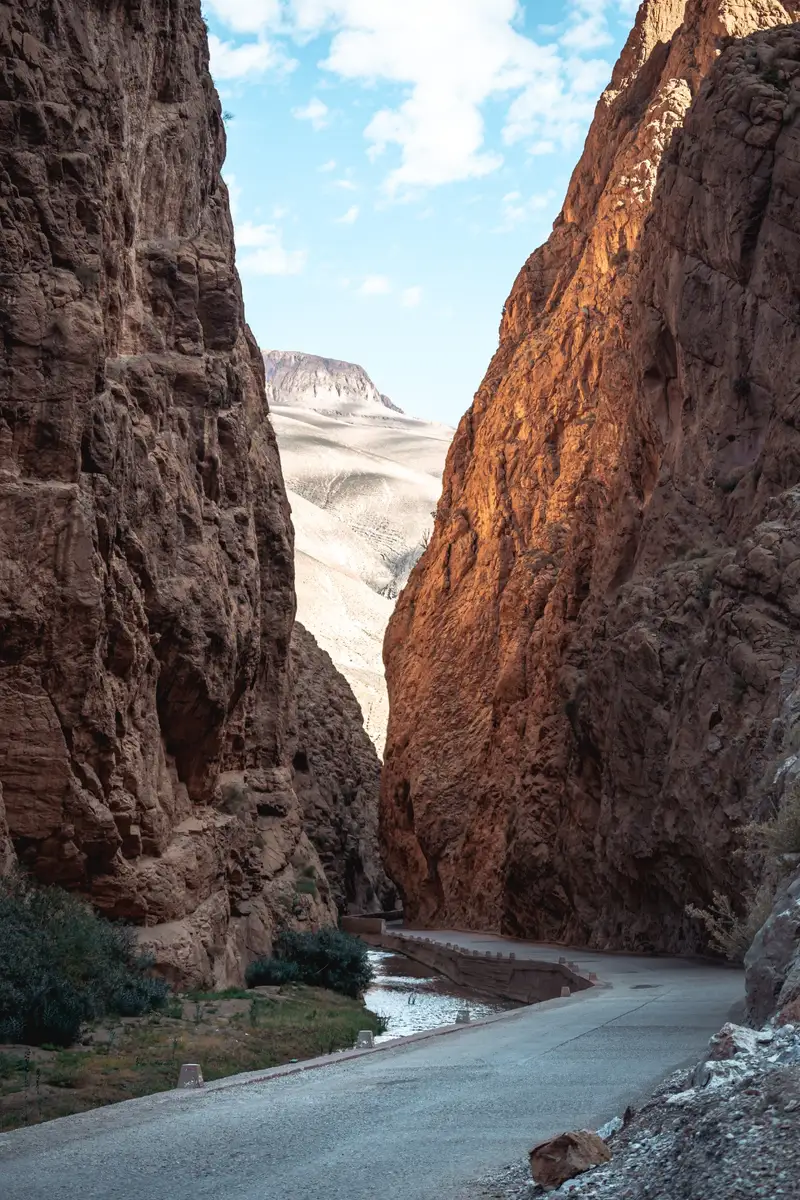
Mornings start with bread, olive oil, and coffee in a gîte courtyard, then four to six hours of walking at a conversational pace — your guide reading the trail, the mules trotting ahead with the bags. Lunch is a fresh salad-and-tagine spread your cook somehow produces beside a stream. Afternoons bring the pass or the village, mint tea on a rooftop, and dinner as the peaks turn pink. It’s walking, but it’s also Morocco — the mountains, the people, and the food are inseparable.
The Benefits and Highlights of Trekking in Morocco
Why trek here rather than anywhere else?
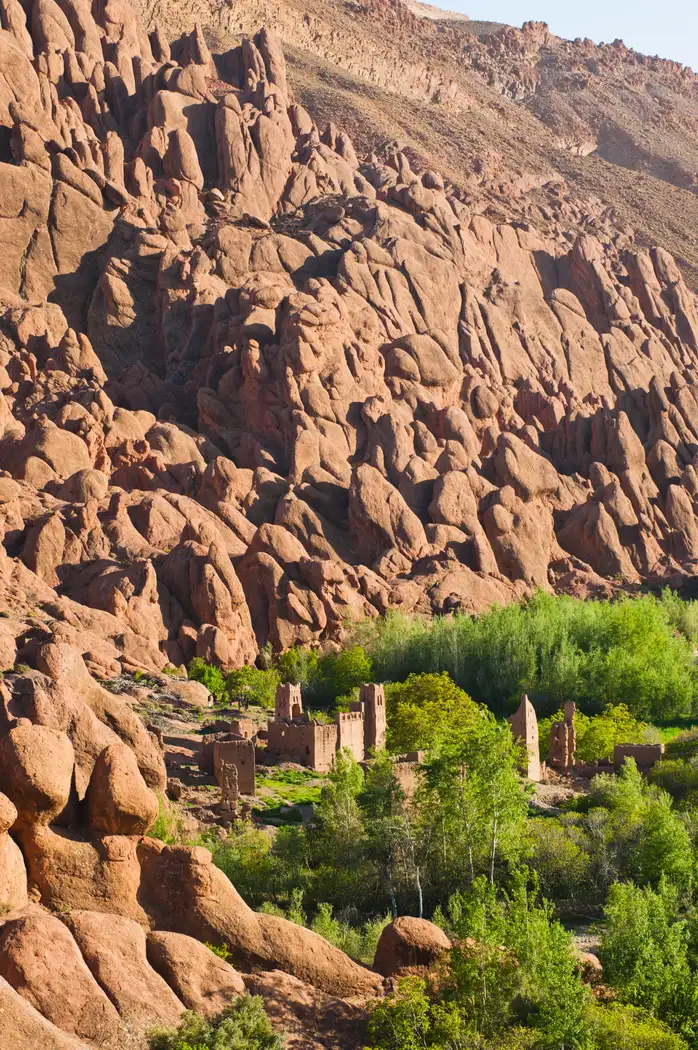
You reach the real Berber Morocco. The villages of the high valleys can’t be driven to — walking is the only door, and it opens into extraordinary hospitality.
You bag a genuine 4,000er without ropes. Toubkal is a serious summit that needs no technical climbing in summer — the most accessible “big mountain” achievement in Africa after Kilimanjaro, at a fraction of the cost and crowds.
You trek supported, not loaded. Mules carry the gear, cooks make the meals, guides handle the route. You just walk — which is why Atlas trekking suits far more people than they expect.
You’re an hour from Marrakech. Few places on earth put 4,000-metre trekking this close to riads, souks, and an international airport.
And it combines with everything. Mountains plus Sahara plus imperial cities in one trip — the combination is uniquely Moroccan.
Local Expert Advice for Trekking in Morocco
The honest counsel Simo gives every hiker.
Trek with a licensed guide — it’s the rule and the wisdom. In the Toubkal area, hiking with a licensed guide is required, and everywhere in the Atlas it’s the difference between a route and an experience. Our guides are certified, insured, and local.
Respect the altitude. Toubkal’s 4,167 metres deserve respect: the 3-to-4-day acclimatized version dramatically improves both safety and summit joy. If it’s your first 4,000er, take the extra day.
Know the seasons honestly. In winter (roughly November to April), Toubkal is a snow mountain requiring crampons, ice axes, and winter experience — we equip and guide accordingly, or steer you to the beautiful lower valleys instead.
Train a little, enjoy a lot. You don’t need to be an athlete for the valley treks, but for Toubkal, a few weeks of hill walking beforehand transforms the experience.
Pack layers, always. Atlas weather swings from hot valley sun to freezing summit wind in a single day. We send a full packing list with every booking.
Drink the tea. When a village family invites you in, say yes — those unplanned half-hours are what you’ll remember most.
When Is the Best Time for Morocco Trekking Tours
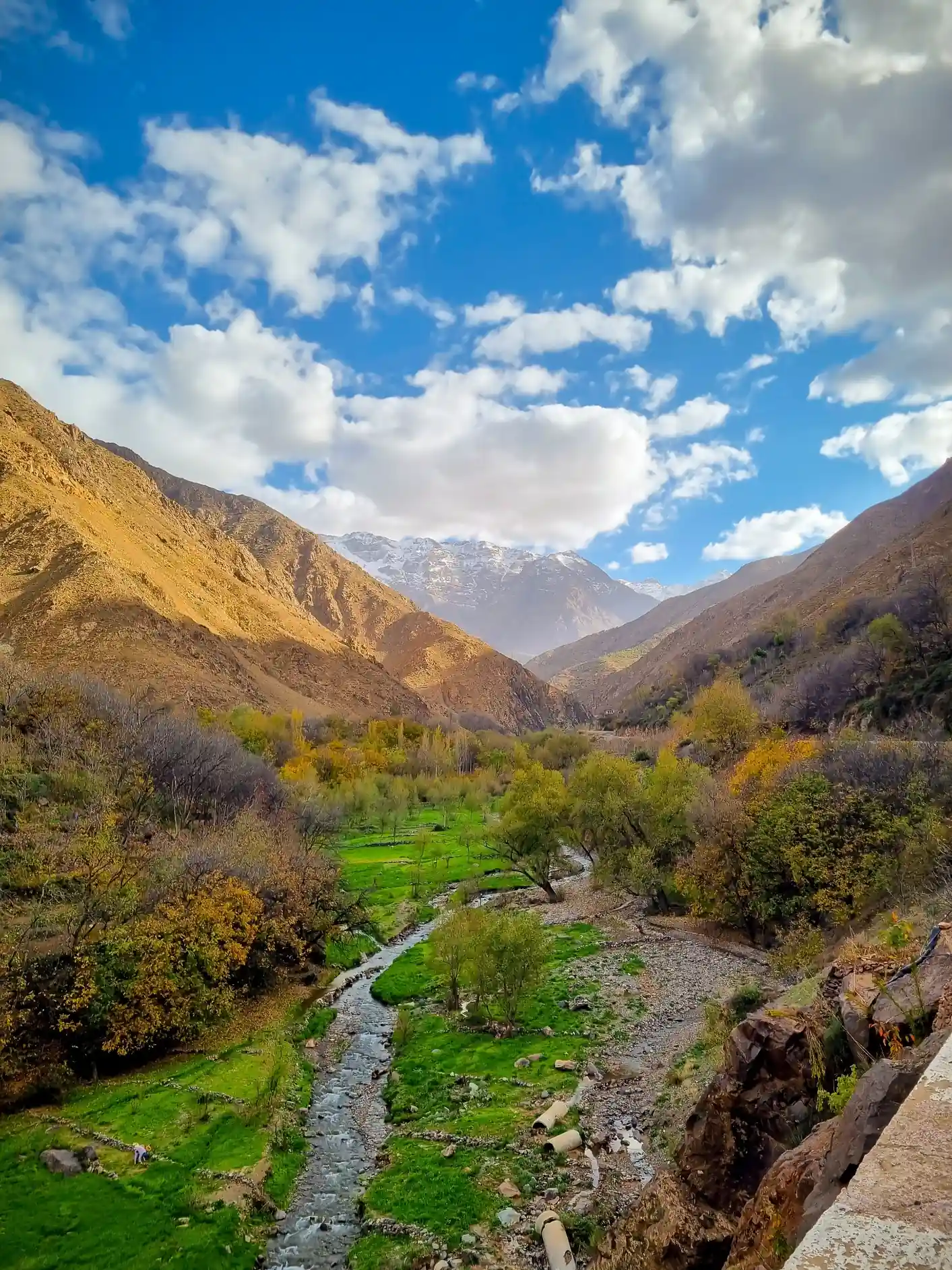
Spring (April to June) is glorious: snow retreating from the summits, valleys green, blossom in the orchards, and perfect walking temperatures. The best all-round window — and prime time for Toubkal as the snow clears (late spring).
Autumn (September to October) is the second sweet spot: stable weather, clear skies, warm days, and the summer heat gone. Superb for both summits and valleys.
Summer (July to August) is high season on Toubkal — snow-free and busy on the main route — while the high valleys stay pleasantly cooler than roasting Marrakech. Start early and enjoy.
Winter (November to March) turns Toubkal into a proper winter mountaineering objective (crampons, ice axe, experience — or our winter-skills guides), while the lower valley treks remain beautiful, quiet, and crisp. Desert treks are at their best in this season too.
Travel Planning Tips for Your Trek
Match the trek to your true fitness. Be honest with us about your walking habits and we’ll match distances and altitude honestly back — that’s how great treks happen.
Build in Marrakech bookends. A riad night before and after the trek eases logistics and rewards tired legs. We arrange the whole sequence.
Sort insurance that covers altitude. Standard travel policies often cap trekking altitude below Toubkal’s summit — check yours covers hiking to 4,200 m.
Pack right, rent smart. Good broken-in boots and layers come from home; winter gear (crampons, axes) can be rented locally through us.
For official visitor information, the Moroccan National Tourist Office’s site, Visit Morocco, is a useful resource, and we recommend checking your government’s travel advisory — such as the UK FCDO — before you travel.
Common Mistakes Trekkers Make in Morocco
Attempting Toubkal in winter without winter skills. From roughly November to April the summit route is snow and ice. Without crampon experience (or a winter-skills guide), choose the valleys — they’re stunning.
Skipping acclimatization to save a day. The 2-day Toubkal blitz works for the very fit; for everyone else, the extra acclimatization day is the difference between summiting with a smile and suffering with a headache.
Trekking guideless to save money. It’s against the rules around Toubkal, and everywhere it trades safety, navigation, and all the cultural connection for a small saving. False economy.
Underestimating the sun and the cold — on the same day. Trekkers pack for one and get burned (or frozen) by the other. Layers, hat, sunscreen: all of it, always.
Booking “cheapest” trek offers in the square. Uninsured, unlicensed operators cut corners on guides, mules, and food. The mountains deserve better — and so do you.
Racing through and skipping the villages. The summits are the headline, but the gîtes, the families, and the valley life are the story. Leave room for them.
Lace Up for the Atlas with Morocco Desert Hub
Somewhere above Imlil, there’s a pass with your name on it — and beyond it, a valley where the barley is being cut by hand, a rooftop where the tea is already brewing, and a summit that will hand you all of Morocco in a single view. The mountains here don’t just test you; they welcome you.
As a licensed local team with mountain roots — our founder raised in the Dades Valley, our guide Simo at home on every Atlas trail — Morocco Desert Hub runs trekking the traditional way: licensed guides, mule support, village hospitality, and routes matched honestly to you. Summit Toubkal, wander the valleys, walk the dunes, or weave it all into one journey.
Tell us your dates and your dream trek, and we’ll send you a tailored itinerary and a transparent quote within 24 hours — with no obligation, no pressure, and just a 10% deposit to secure your trip.
The trail is waiting. Let’s walk it together — contact Morocco Desert Hub today.