Marrakesh Tours: A Local Expert's Guide to the Red City and Beyond
Table of Contents
ToggleThere’s a moment that happens to almost every traveler in Marrakesh. You step out of a quiet riad, walk through a plain doorway into a narrow lane, and suddenly the whole city hits you at once — the smell of grilled meat and orange blossom, the call to prayer over the rooftops, a donkey cart squeezing past a man selling mint. Marrakesh doesn’t ease you in. It grabs you. And once it has you, it rarely lets go.
We’re Morocco Desert Hub, a licensed local travel company with a base right here in Marrakesh, and we’ve spent years helping travelers fall for this city the right way — without the stress, the scams, or the rushed schedule. This guide tells you everything you need: the best Marrakesh tours, what to see, how to handle the medina, the best day trips and desert journeys that start here, and the local know-how that turns a good trip into a great one. By the end, you’ll know exactly how to experience Marrakesh — and we’d be glad to plan it with you.
Why Choose Morocco Desert Hub for Your Marrakesh Tours
There are countless companies offering Marrakesh tours. Here’s why travelers trust their trip to us.
We’re a genuine local agency, not an overseas reseller. Morocco Desert Hub was founded in 2010 and is licensed by the Moroccan Ministry of Tourism (license number 258147369), with offices in Marrakesh, Casablanca, and Fes. Book with us and you deal directly with the people running your trip — no middleman, no markup, and a real local team beside you the whole way.
Our guides are born-and-raised locals. Marrakesh rewards someone who knows it from the inside. Our Marrakesh guide, Simo, grew up navigating these souks and the valleys of the High Atlas, and he’s the kind of guide who gets you past the tourist surface to the workshops, the rooftops, and the corners you’d never find alone.
Every trip is private and built around you. Want a half-day of medina highlights, a full day with a cooking class, or a desert adventure that starts here in Marrakesh? We design it to fit. You’re never herded onto a fixed coach.
And booking is genuinely low-risk. We ask for just a 10% deposit to confirm, you pay 50% on arrival, and the balance only at the end of your trip. No large upfront payment to a stranger you haven’t met.
Marrakesh Tours: A Complete Overview
When people search for Marrakesh tours, they usually want one of two things — and we offer both.
The first is a guided tour of Marrakesh itself: a half-day or full-day experience through the medina, the souks, the palaces, the gardens, and the legendary Jemaa el-Fnaa square. This is perfect for getting your bearings, understanding the history, and seeing far more than you would wandering on your own.
The second is tours from Marrakesh — and this is where the city really earns its reputation. Marrakesh is the launchpad for southern Morocco. From here you can take a day trip into the Atlas Mountains, escape to the Atlantic at Essaouira, or set off on a multi-day journey across the Sahara Desert. Because Marrakesh Menara Airport is so well connected, most travelers use the city as the starting point for their wider Moroccan adventure.
A typical private Marrakesh city tour runs three to four hours for the essentials, or a full day if you want to add a garden, a museum, lunch, and a slower pace. Day trips from Marrakesh run from a few hours to a full day, and desert tours from three days upward. Whatever shape suits your trip, our Marrakesh tours can be tailored around it.
You’ll notice we use both spellings — Marrakesh and Marrakech — throughout. They’re the same city; the first is the common English form, the second the French. Don’t let it confuse you.
What to See on a Marrakesh City Tours
Marrakesh packs centuries of history into a compact, walkable medina. A good city tour is about choosing the right highlights and weaving them together so you’re not doubling back through the heat. Here’s what we focus on.
Jemaa el-Fnaa
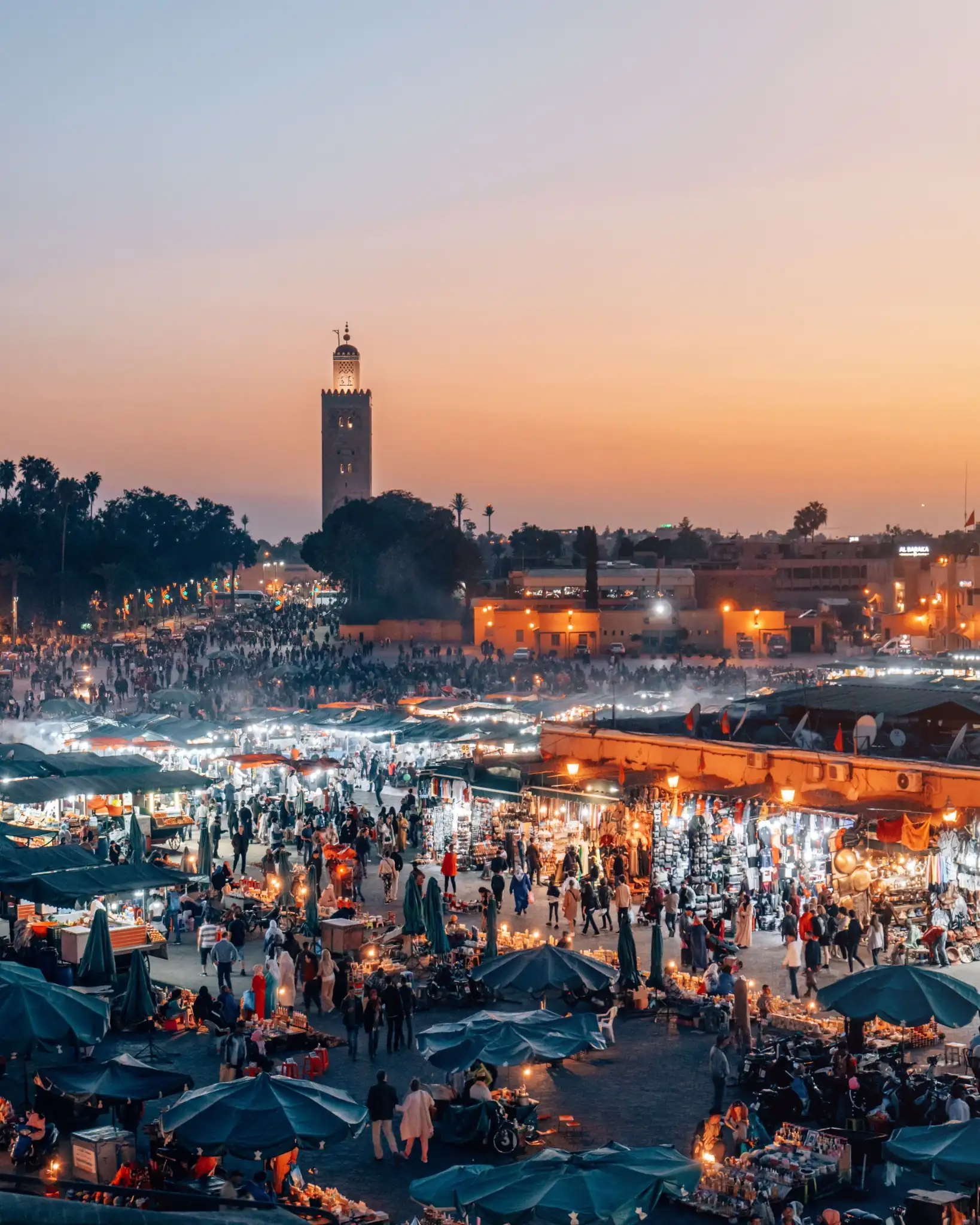
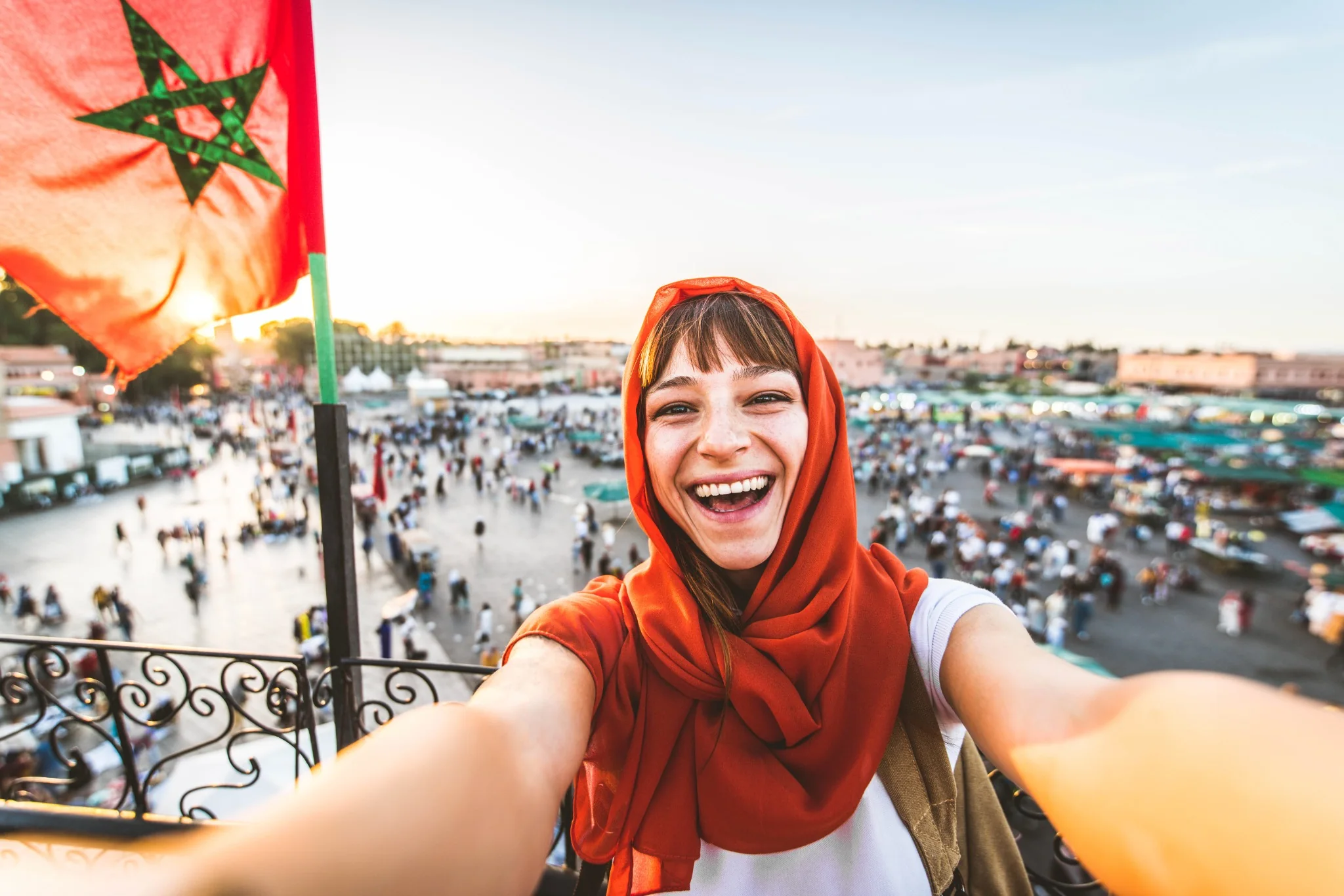
The beating heart of Marrakesh, and unlike anywhere else on earth. By day, Jemaa el-Fnaa is a wide square with juice stalls and snake charmers; by dusk it transforms into a vast open-air theatre of food stalls, storytellers, musicians, and acrobats. UNESCO recognizes it as a Masterpiece of the Oral and Intangible Heritage of Humanity, and an evening here — eating from the grills, soaking it all in — is unmissable.
Koutoubia Mosque
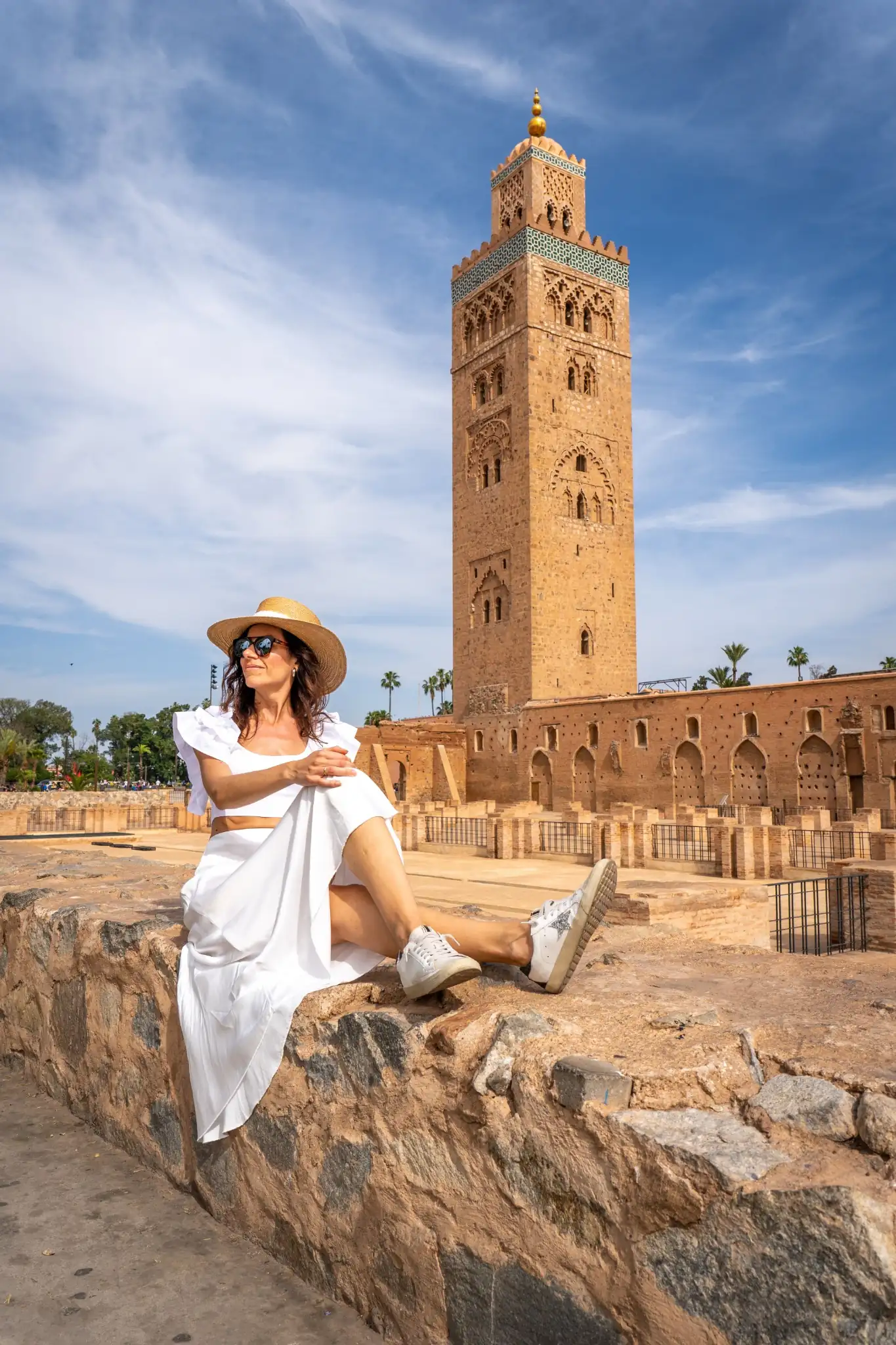
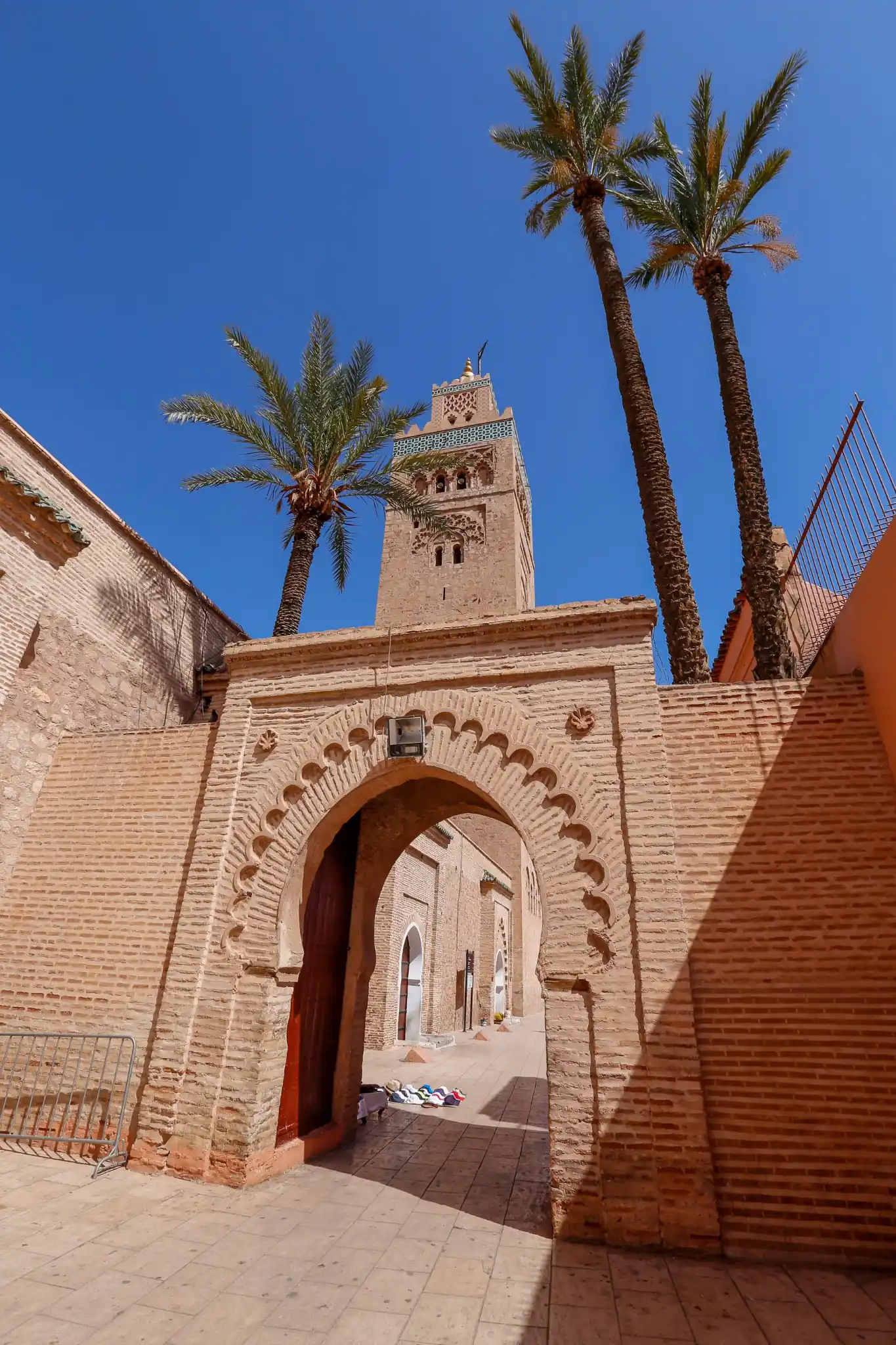
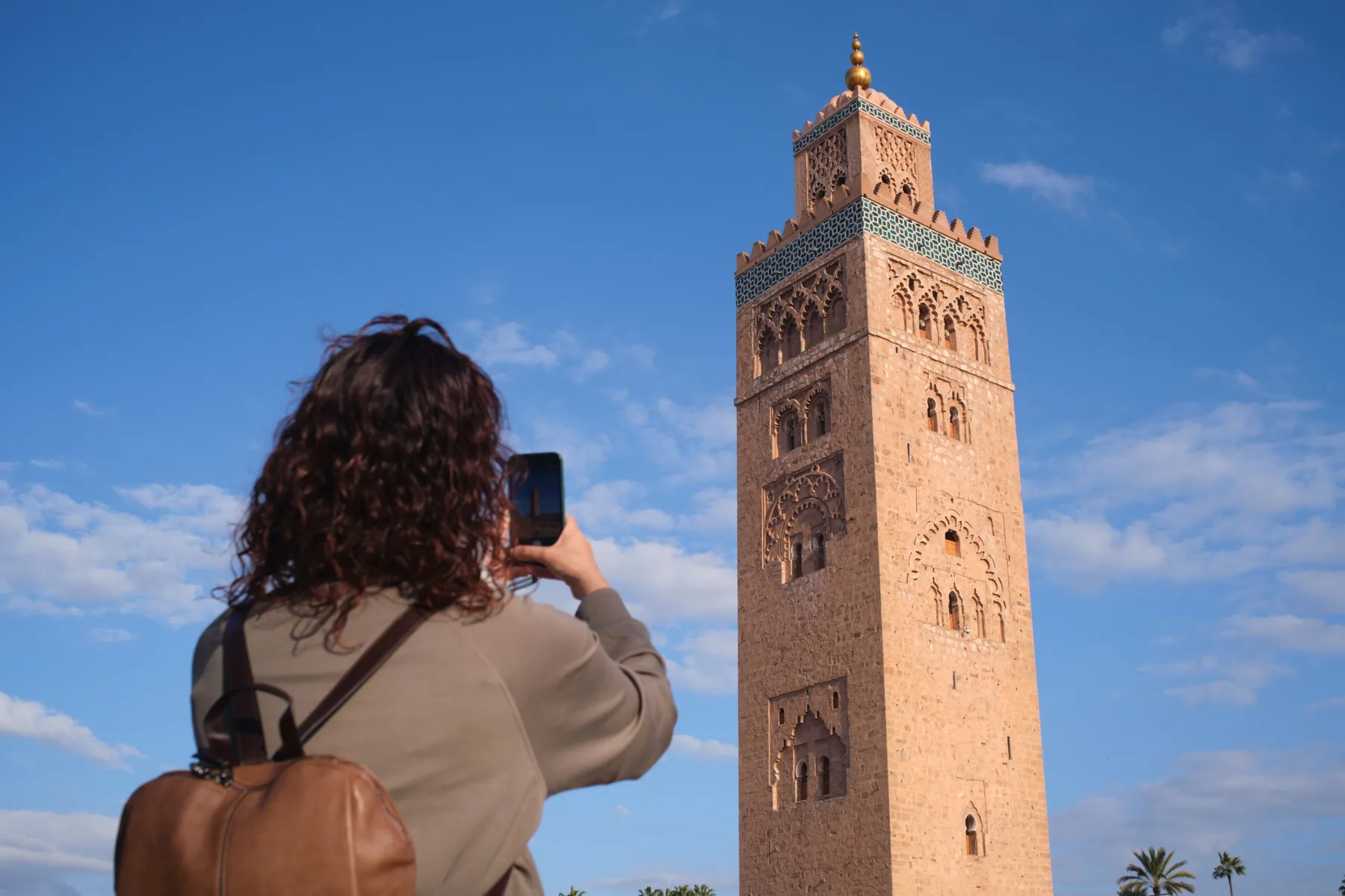
The city’s most famous landmark, the 12th-century Koutoubia and its elegant minaret rise above the medina and serve as your compass — if you can see it, you know which way is the square. The interior is for worshippers only, but the gardens around it are lovely, especially at golden hour.
The Souks
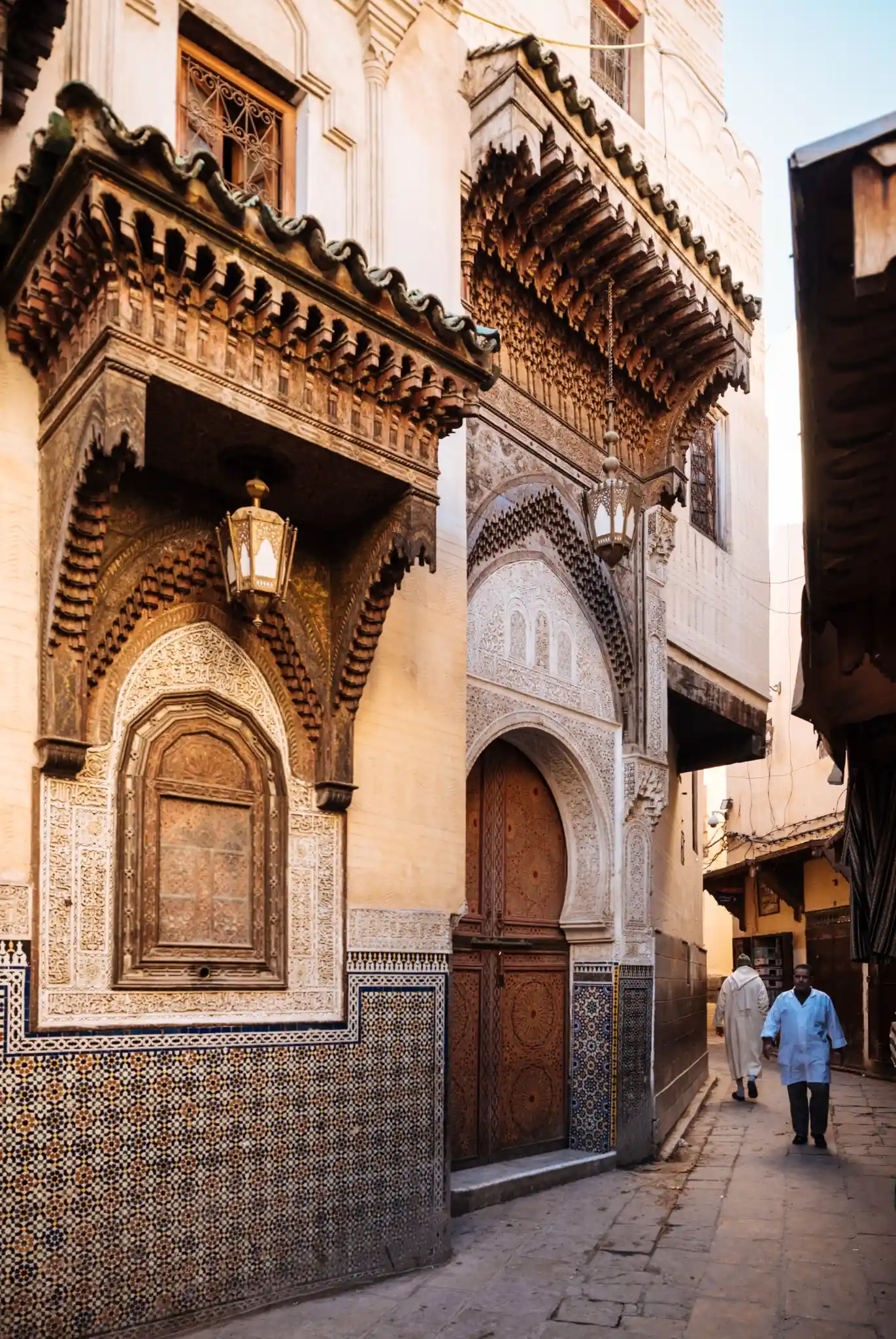
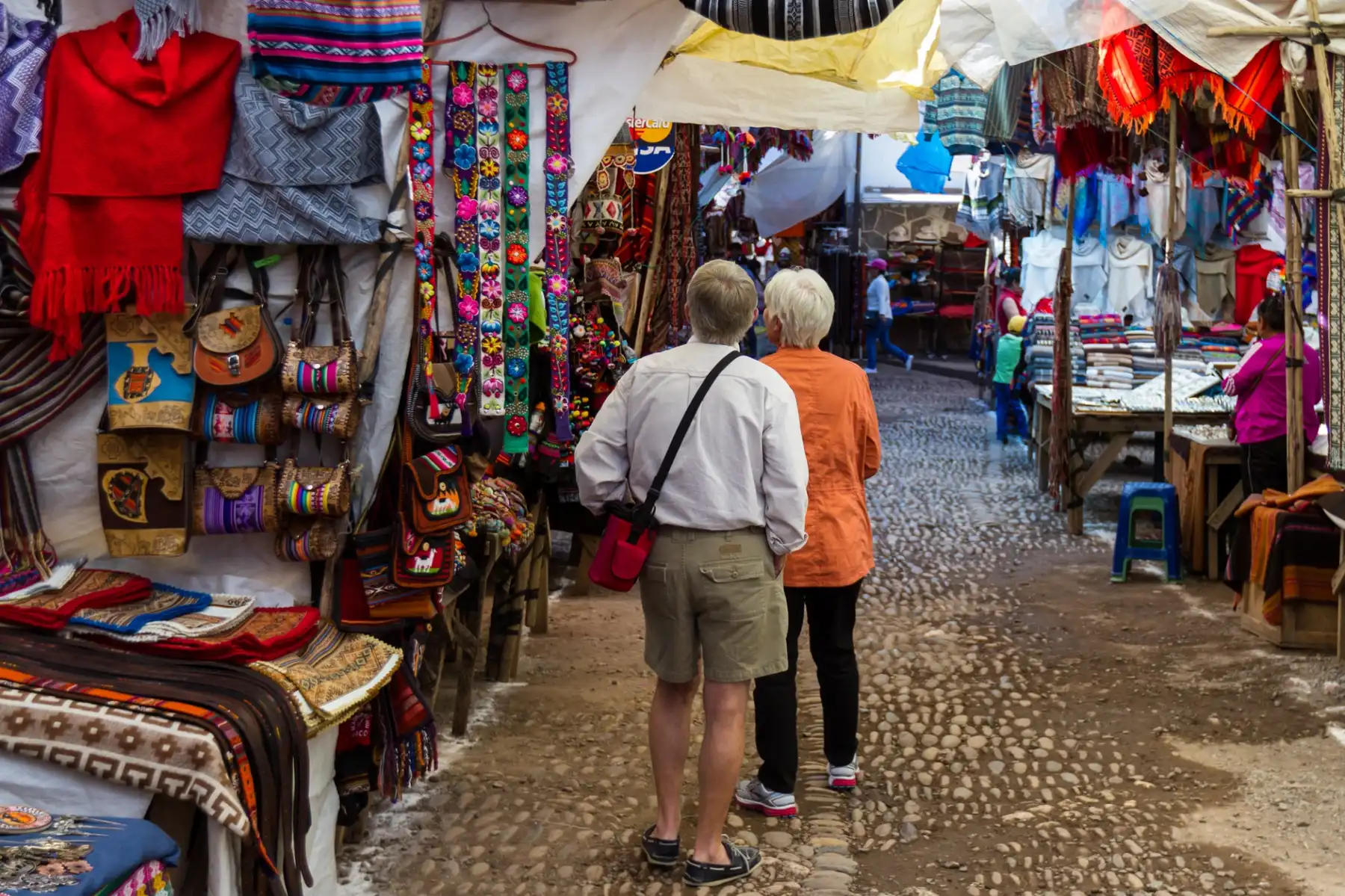
The labyrinth of markets north of the square is where Marrakesh shops, haggles, and creates. You’ll find leather, lanterns, carpets, spices, slippers (babouches), and metalwork, much of it made on the spot. The souks are wonderful and bewildering in equal measure, which is exactly why a guide on your first day pays for itself.
Bahia Palace and the Saadian Tombs
The 19th-century Bahia Palace is a masterpiece of Moroccan craftsmanship — carved cedar ceilings, zellige tilework, and tranquil courtyards. The nearby Saadian Tombs, sealed for centuries and rediscovered in 1917, hold some of the finest decorative work in the city.
Ben Youssef Madrasa
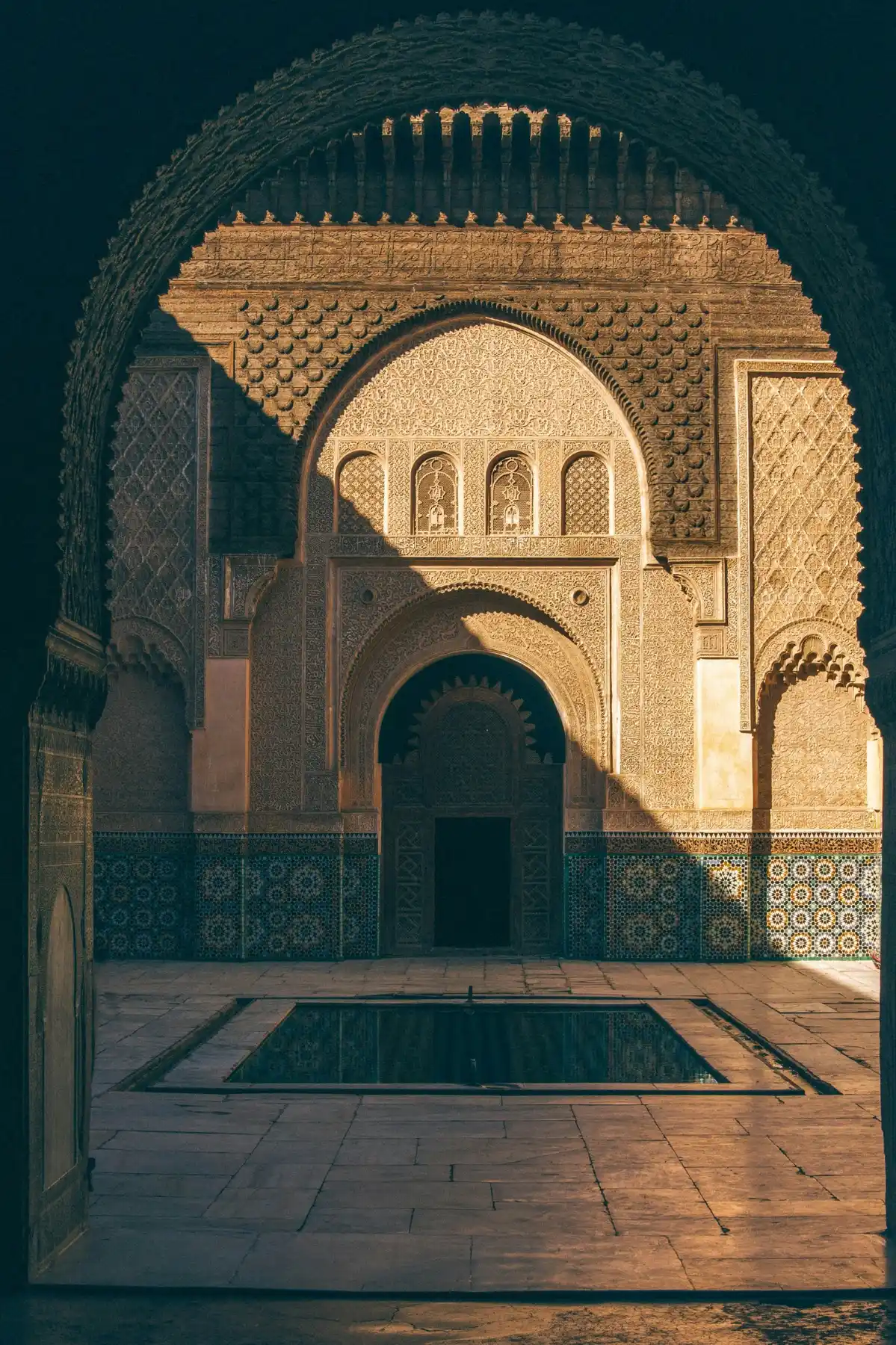
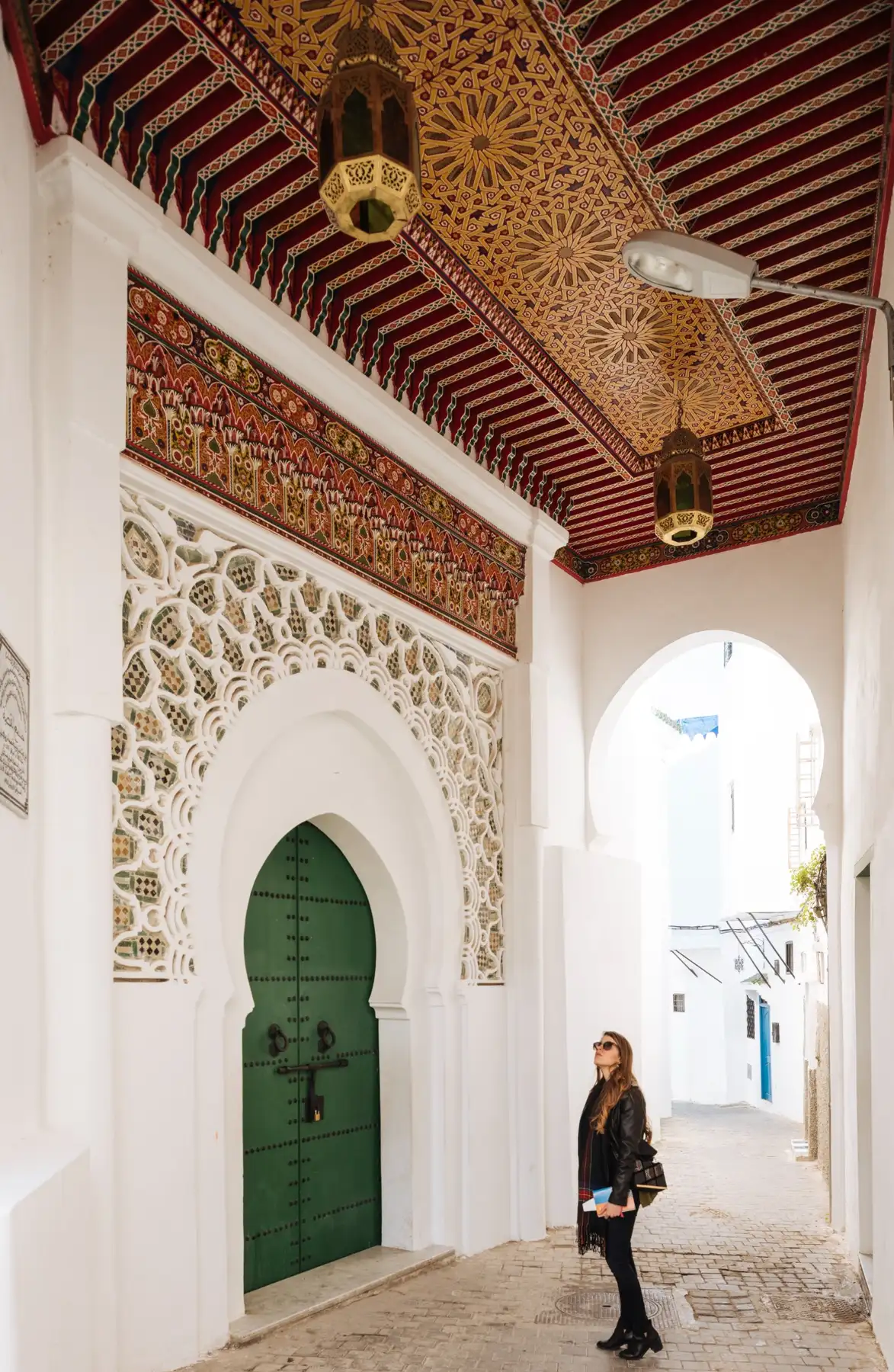
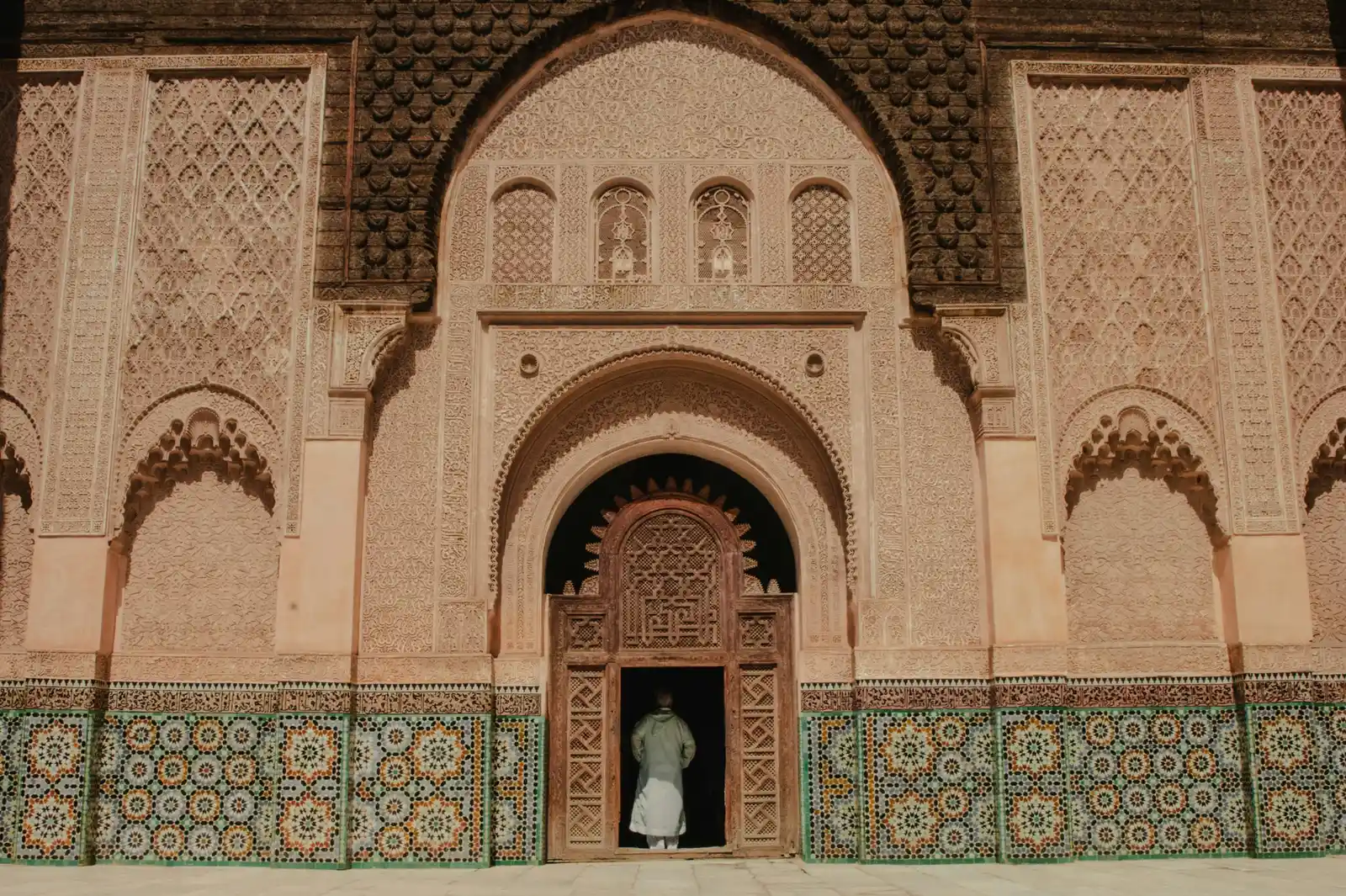
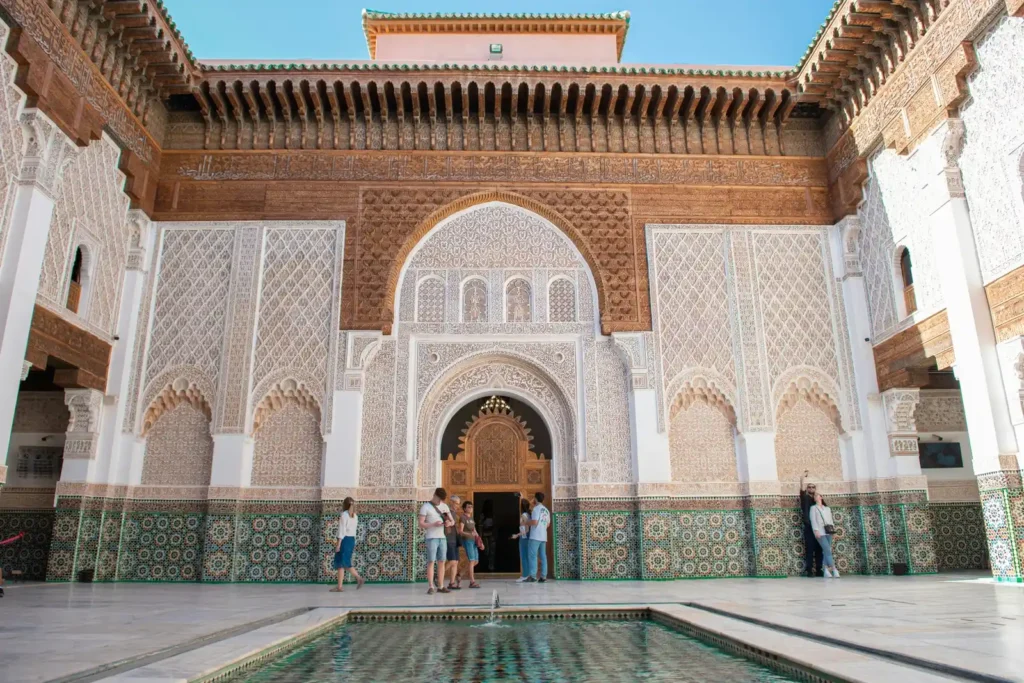
This former Quranic school is, for many visitors, the single most beautiful building in Marrakesh — a serene courtyard wrapped in intricate stucco, cedar, and tile. Recently restored, it’s a must for anyone who loves architecture.
Hammams and Cooking Classes
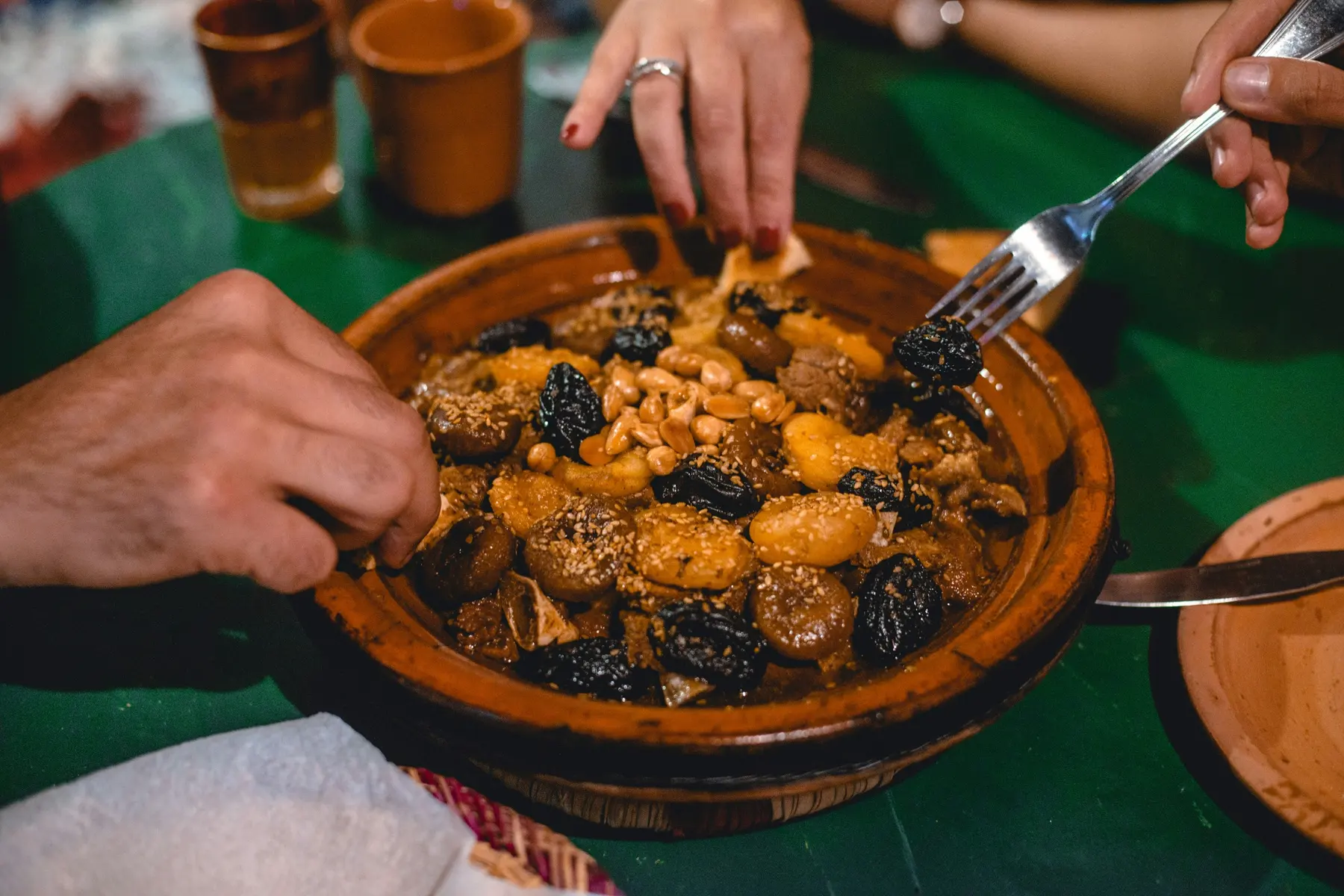
Two experiences we always recommend adding. A traditional hammam — steam, black soap, and a thorough scrub — is a centuries-old ritual, not a spa gimmick. And a Marrakesh cooking class, which usually starts with a market visit before you cook a tagine in a riad kitchen, is one of the most enjoyable ways to connect with Moroccan culture.
The Gardens: Majorelle, Le Jardin Secret, and More
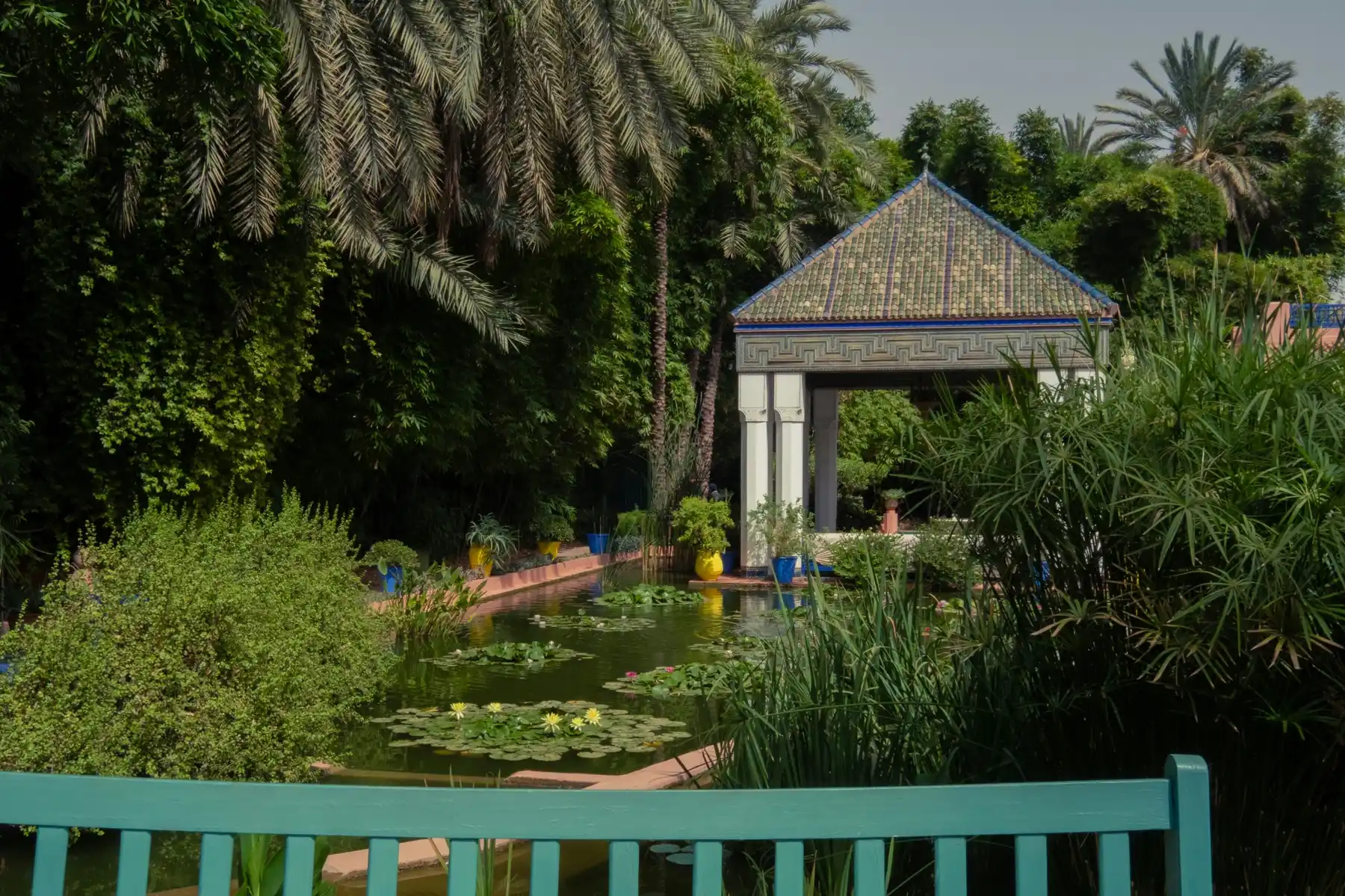
When the medina’s intensity gets to you, the gardens are the antidote. The Majorelle Garden, restored by Yves Saint Laurent, is famous for its cobalt-blue villa and exotic plants, and sits beside the YSL Museum and the Berber Museum. Inside the medina, Le Jardin Secret offers a peaceful pause among Islamic garden design.
Best Day Trips from Marrakesh
One of the great joys of basing yourself in Marrakesh is how much sits within reach. These are the day trips our travelers love most.
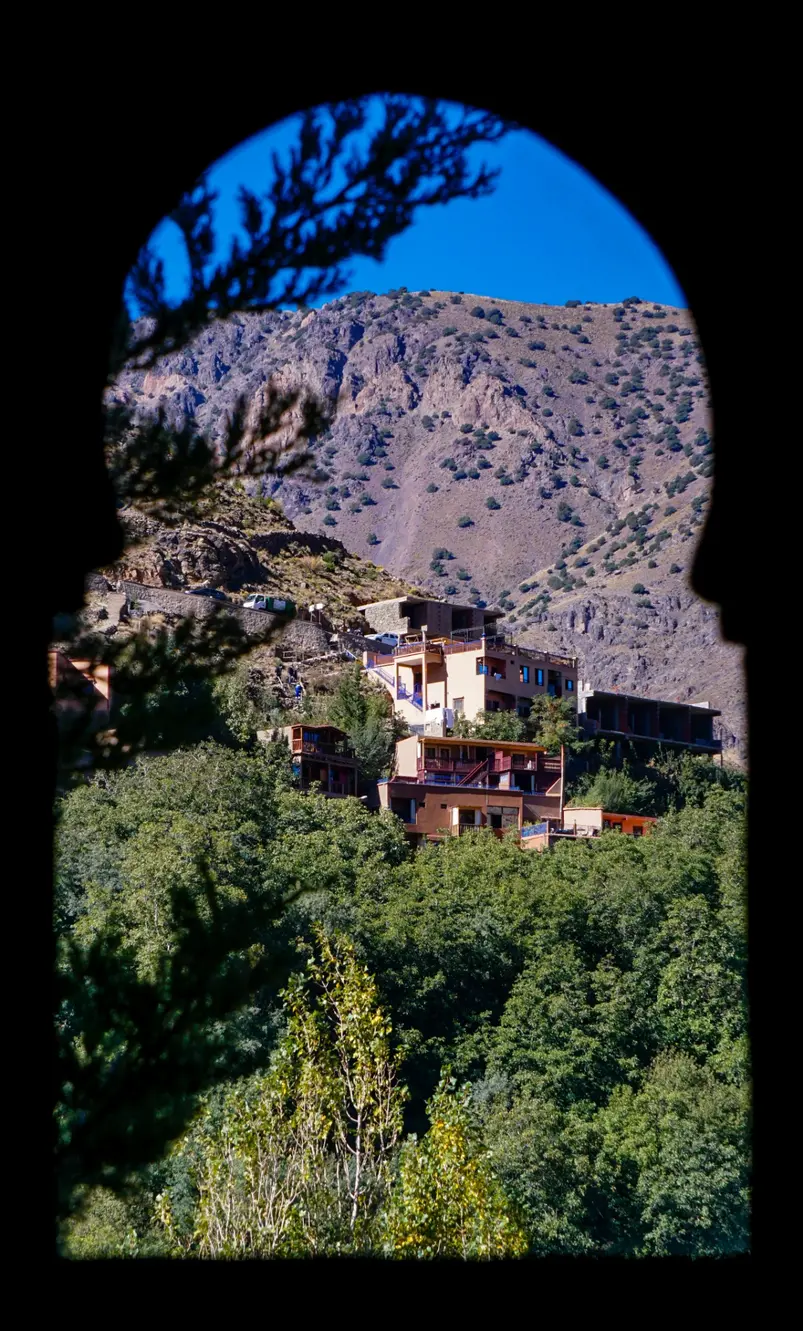
The Atlas Mountains and Imlil
The Ourika Valley and the Three Valleys
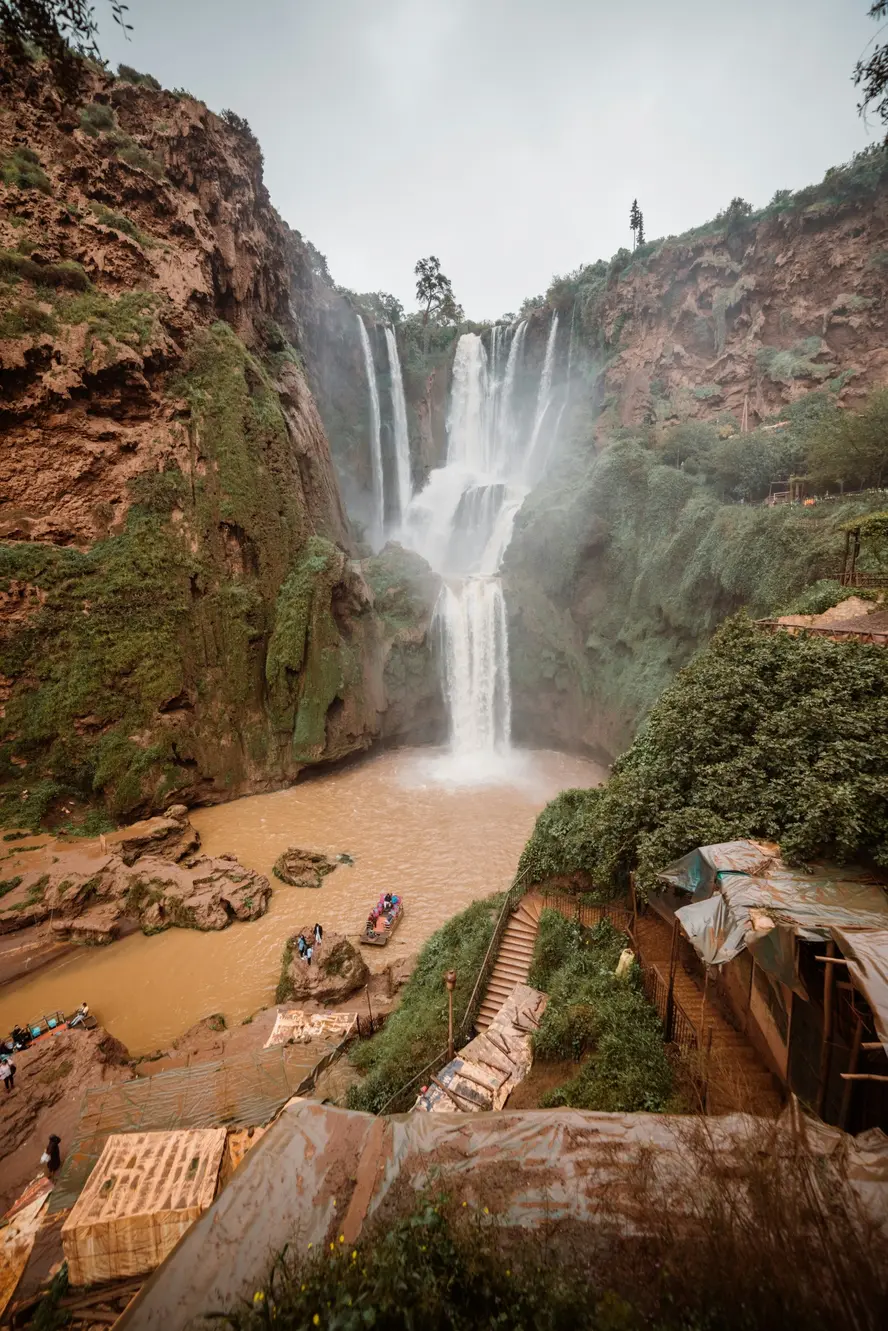
Ouzoud Waterfalls
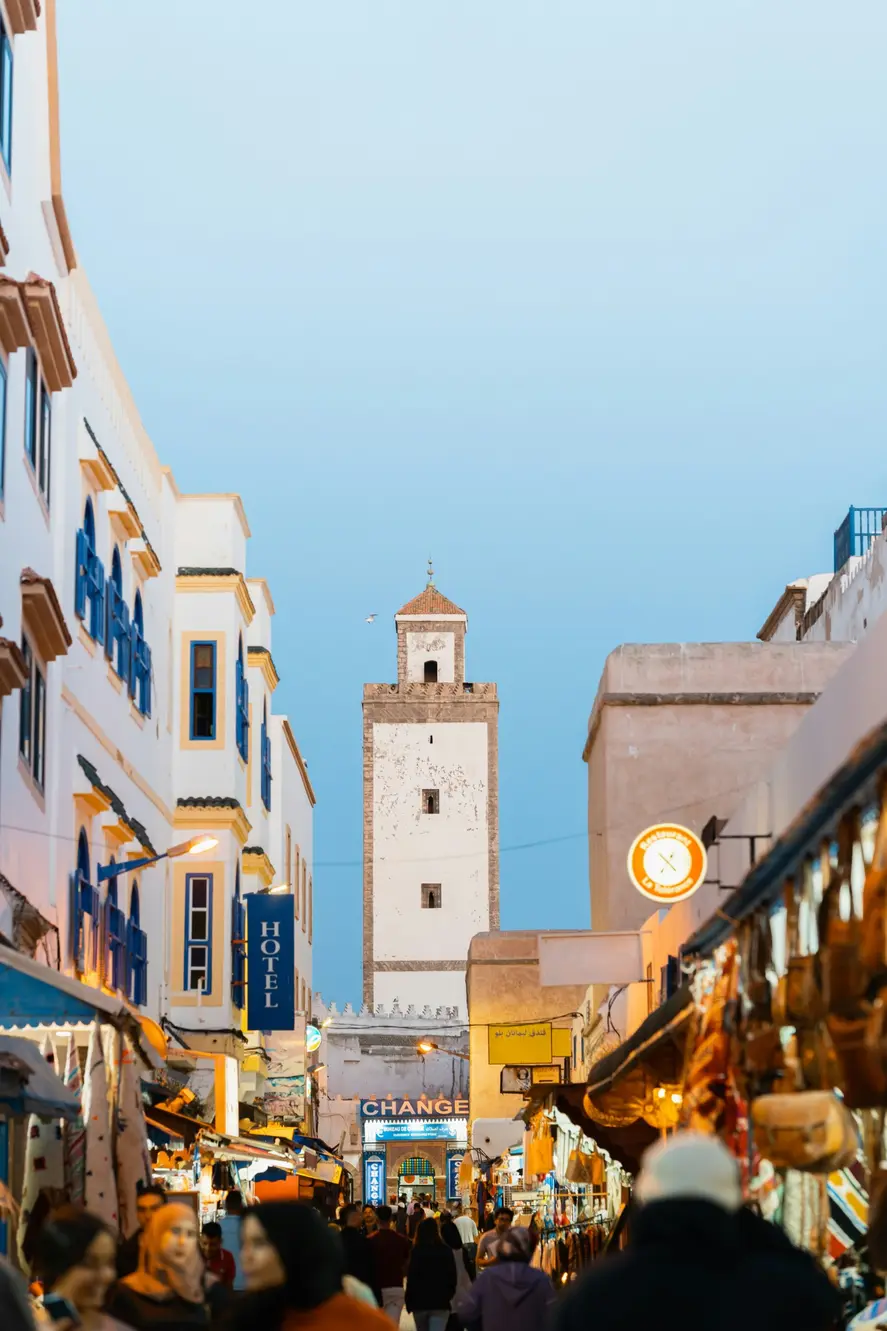
Essaouira
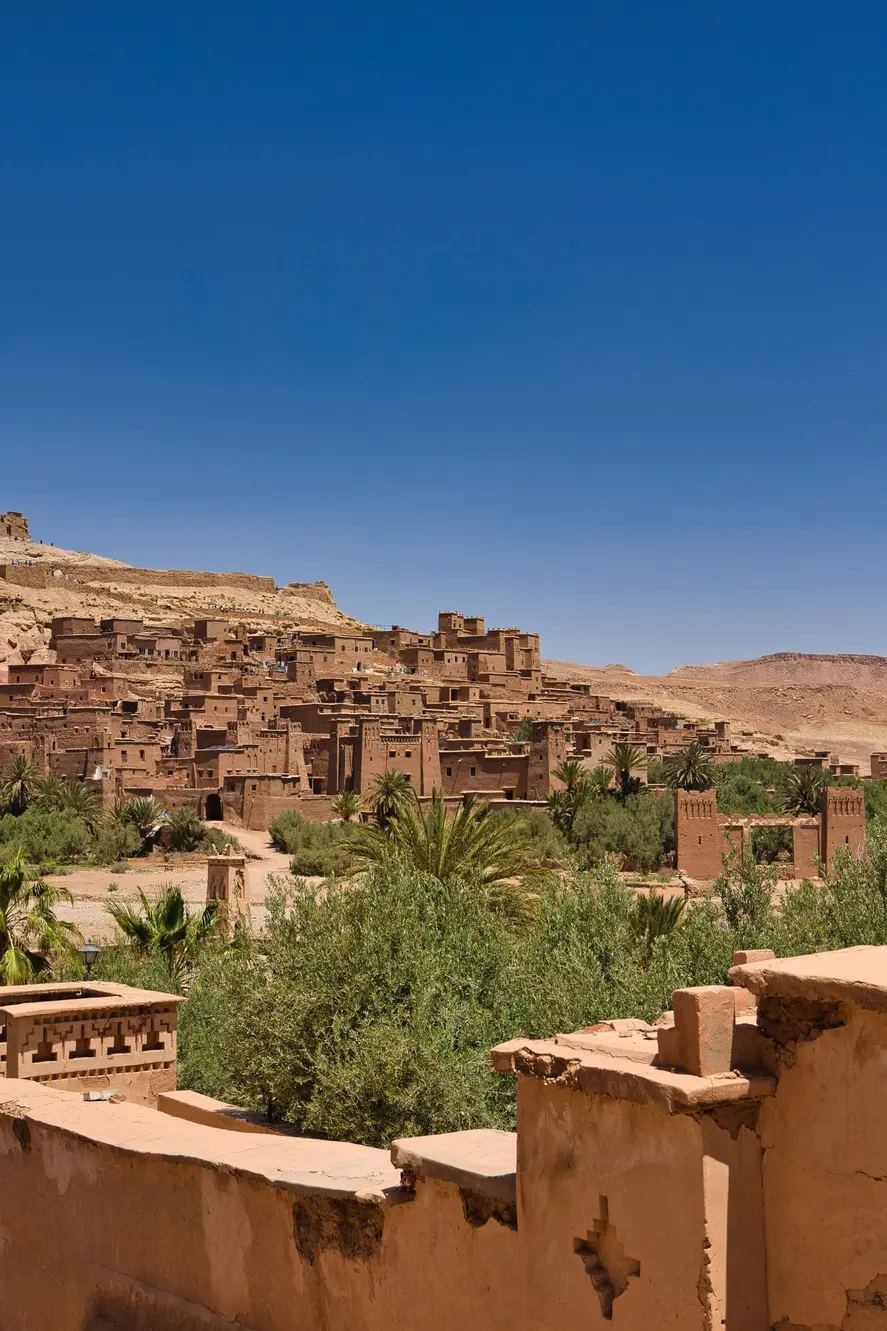
Aït Ben Haddou and Ouarzazate
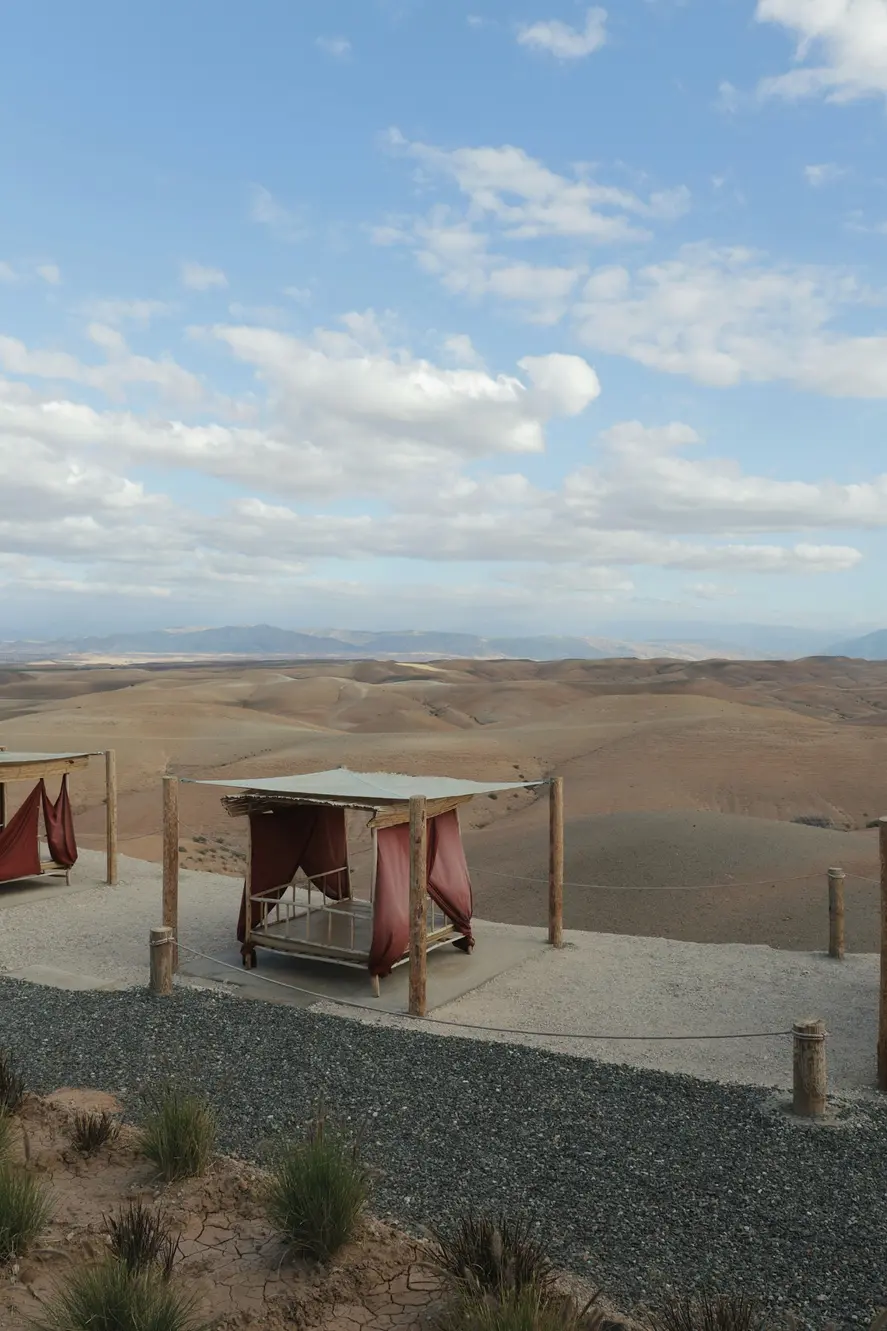
The Agafay Desert
Popular Multi-Day Tours from Marrakesh
For many travelers, Marrakesh is just the beginning. These are the most popular multi-day tours from Marrakesh, all private and fully customizable.
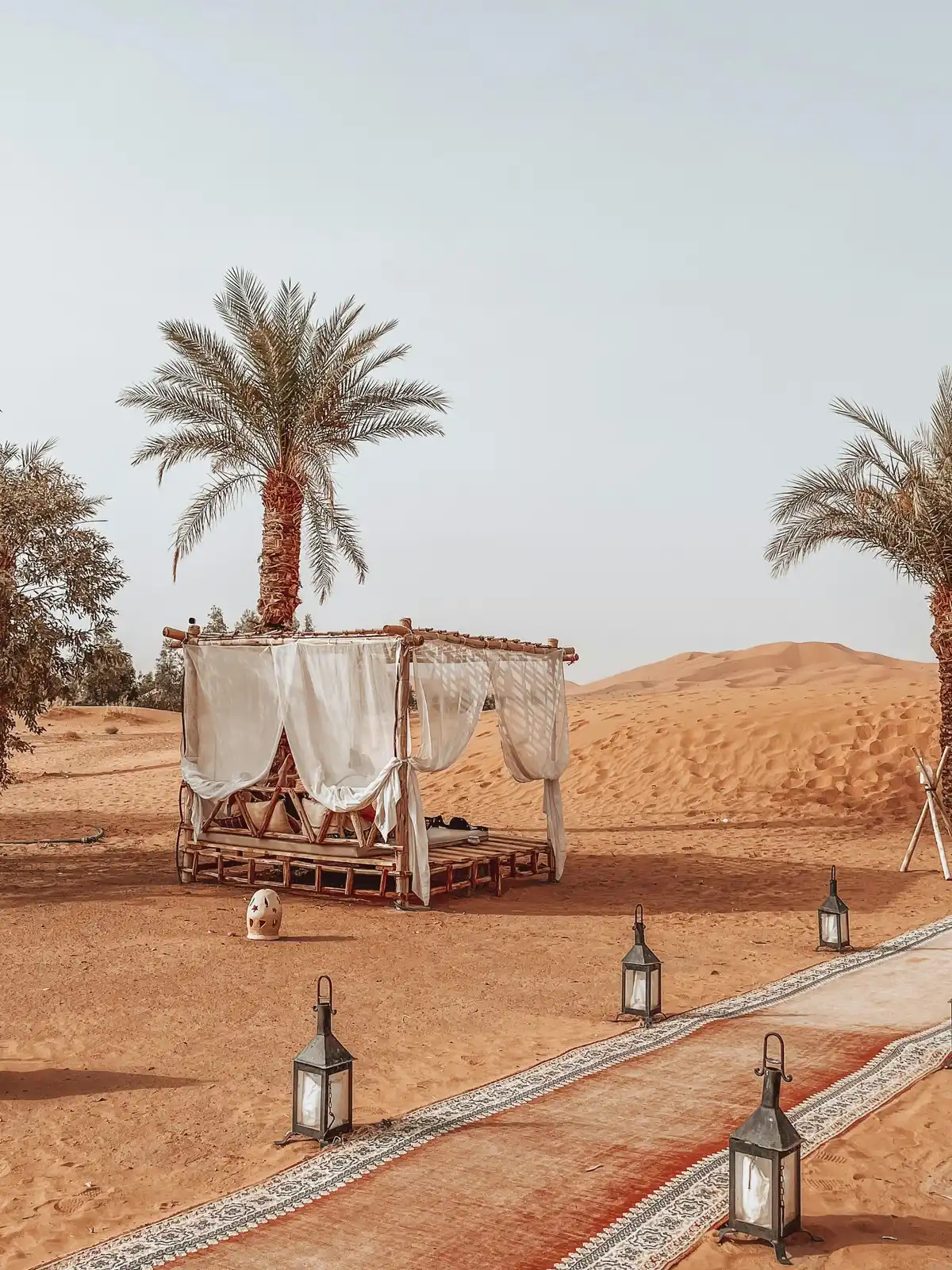
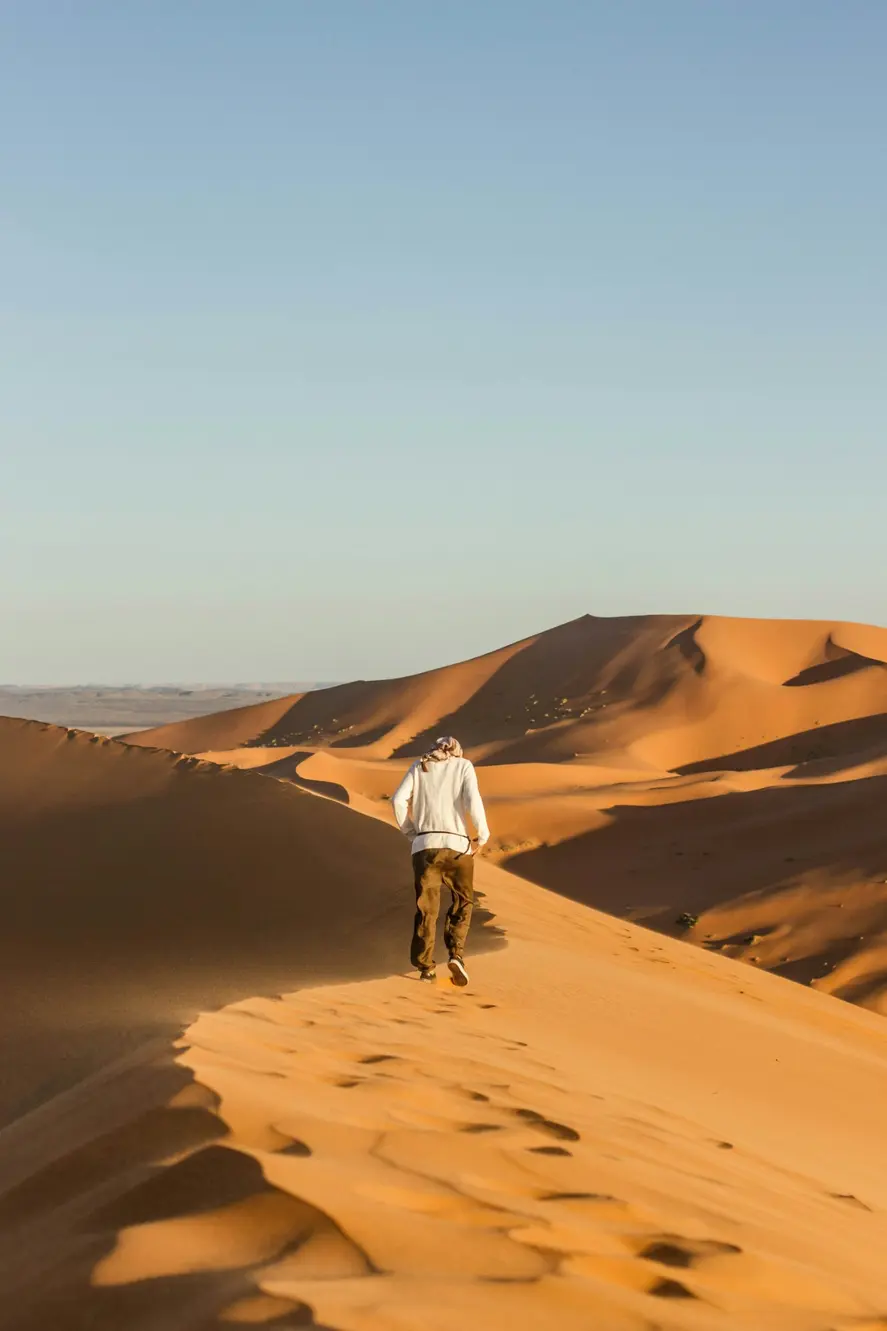
3-Day Sahara Desert Tour to Merzouga
4-Day Marrakesh to Fes via the Desert
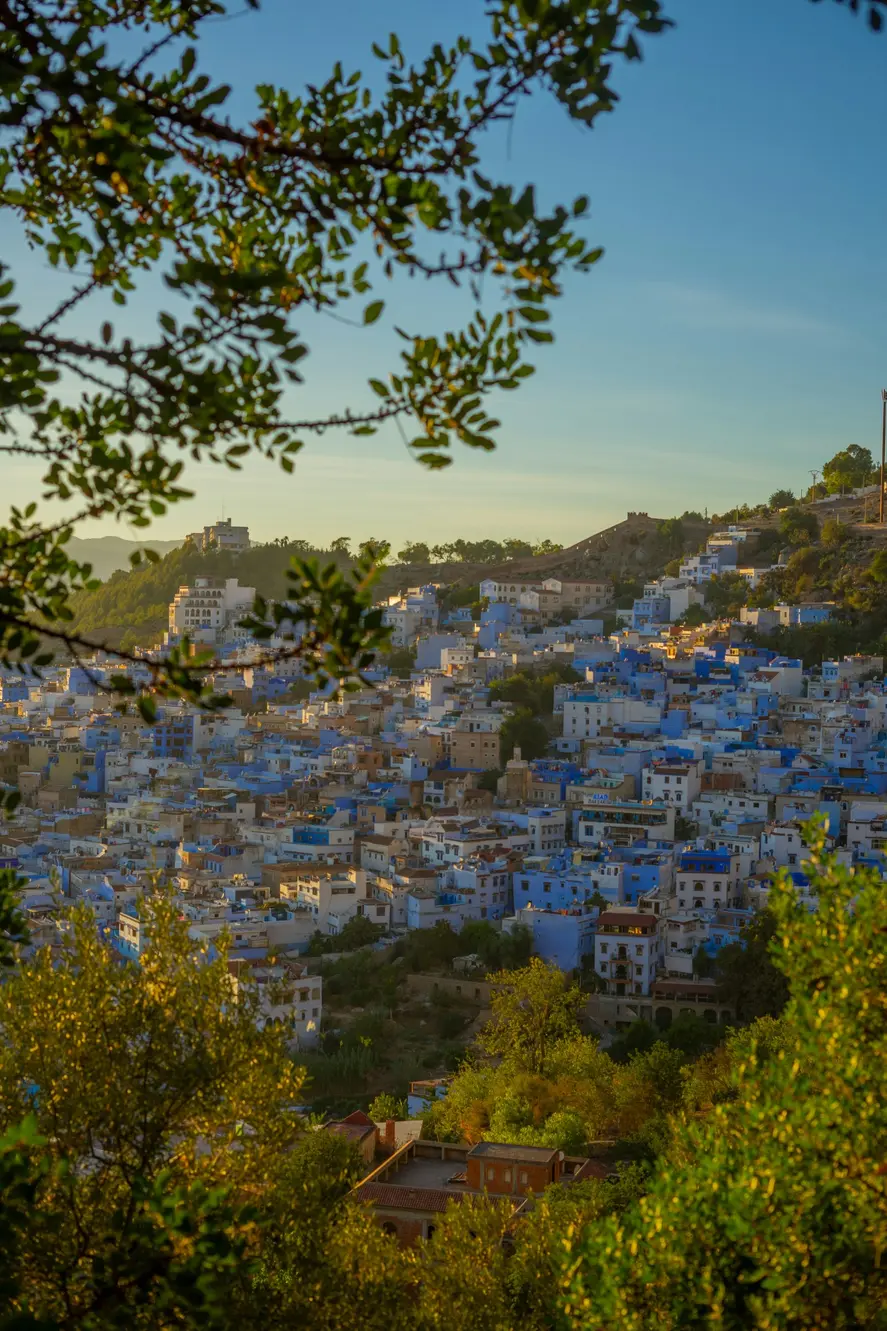
3 days Marrakesh to Chefchaouen
The Benefits and Highlights of a Marrakesh Tours
A well-planned Marrakesh tour gives you far more than a list of sights.
You get a stress-free medina. With a local guide, the maze becomes a story instead of a source of anxiety, and the touts leave you alone.
You get the real Marrakesh. Beyond the obvious stops, you reach the artisan workshops, the quiet rooftops, and the authentic corners that most visitors miss entirely.
You get a perfect base. Few cities let you combine ancient medina life, mountain day trips, coastal escapes, and the Sahara so easily. Marrakesh does it all.
You get fair prices and honest advice. We’ll tell you which experiences are worth it, how to haggle, and what to skip — and we handle the bookings, transport, and timing so you simply enjoy yourself.
And you get flexibility. Our Marrakesh tours fit any itinerary, whether you have a single afternoon or two unforgettable weeks.
Local Expert Advice for Visiting Marrakesh
Here’s the practical, on-the-ground knowledge that makes a real difference.
Stay in a riad inside the medina. These traditional courtyard houses are an experience in themselves — cool, quiet, and atmospheric — and they put you in the heart of the action. Our team can recommend ones with genuine character.
Take a guide on your first day. Even a half-day orientation transforms the rest of your visit. You’ll learn the layout, the history, and how to navigate the souks on your own afterward.
Visit Jemaa el-Fnaa at dusk. The square is good in the day but magical at sunset, when the food stalls open. Grab a rooftop café table beforehand for the view over the square and the Koutoubia, then go down to eat.
Agree on prices before anything. In the souks, haggle politely and expect to pay perhaps half the opening price. At Jemaa el-Fnaa, agree a tip before photographing performers, henna artists, or snake charmers — otherwise you’ll be chased for money.
Don’t try to “do the Sahara” in a day. The real dunes at Merzouga are a long drive from Marrakesh and need at least three days. Anyone selling you a one-day Sahara trip means Agafay, a rocky desert — lovely, but not the sand dunes you’re picturing. Simo and our desert guide Ali will always steer you honestly.
Escape the heat in the gardens. When the midday sun is fierce, the Majorelle or Le Jardin Secret are calm, shaded retreats.
When Is the Best Time to Visit Marrakesh
Marrakesh is a year-round city, but the season shapes your experience.
Spring (March to May) and autumn (September to November) are the best times to visit, with warm, comfortable days, pleasant evenings, and ideal conditions for sightseeing and day trips into the mountains. These are our favorite windows for Marrakesh tours.
Summer (June to August) is hot — daytime temperatures often climb past 38°C. It’s still doable with early starts, shaded gardens, and a riad with a pool, and prices can be lower, but the desert and midday medina are intense in high summer.
Winter (December to February) brings mild, sunny days (often around 18 to 20°C), cold nights, and the spectacular sight of the snow-capped Atlas Mountains rising behind the city. The medina is quieter and accommodation cheaper, making winter an underrated and atmospheric time to visit.
If you’re combining Marrakesh with the Sahara or the Atlas, spring and autumn are ideal across the whole region — the smart choice for most trips.
Travel Planning Tips for Marrakesh
A few simple decisions make your trip smoother.
Decide how long to stay. Two to three nights is enough to enjoy Marrakesh itself and fit in a day trip. If you’re using it as a base for the desert and the mountains, build in extra days for those journeys.
Book the key things ahead. Good riads, popular restaurants, and cooking classes fill up in peak season. When you book a tour with us, we arrange it all.
Plan your onward travel. Marrakesh connects well to the rest of Morocco — trains reach Casablanca in under three hours, and the road south opens up the desert and the Atlas. For the south, a private tour with a driver is far more comfortable than buses, and removes the logistics entirely.
Dress comfortably and modestly. Lightweight, breathable clothing works best, and covering shoulders and knees is respectful, especially in the medina and at religious sites. Comfortable shoes are essential for the uneven streets.
Carry cash. Morocco uses the dirham. Cards work in hotels and larger restaurants, but you’ll need cash for the souks, taxis, smaller cafés, and tips.
For official visitor information, the Moroccan National Tourist Office’s site, Visit Morocco, is a useful resource, and we always recommend checking your government’s travel advisory before you go.
Common Mistakes Travelers Make in Marrakesh
We see these again and again, and they’re easy to avoid.
Wandering the medina without a plan or guide. It’s easy to get lost and easy to be led astray by unofficial “guides” who steer you to shops for commission. A licensed guide on day one prevents both.
Overpaying in the souks. Many travelers accept the first price. Haggling is expected and part of the fun — start low, stay friendly, and walk away if needed.
Forgetting to agree photo tips at Jemaa el-Fnaa. Snapping a photo of a snake charmer or henna artist without agreeing a price first leads to an awkward demand for money. Settle it upfront or simply enjoy the scene.
Believing a day trip can reach the Sahara dunes. Merzouga is far. A genuine Sahara experience needs three days minimum; a “1-day desert tour” from Marrakesh is the rocky Agafay, not the sand dunes.
Underestimating the summer heat. July and August are scorching. Plan early mornings, midday breaks, and a pool if you visit then.
Over-scheduling. Marrakesh rewards a slower pace. Cramming too much in means seeing everything and experiencing nothing. Leave room to sit, sip mint tea, and watch the city go by.
Treating Marrakesh as just a stop. It’s a brilliant base. Many travelers don’t realize how easily they can add the Atlas, Essaouira, Ouzoud, and the Sahara from here.
Plan Your Marrakesh Tour with Morocco Desert Hub
Marrakesh is a city that gets under your skin — the colors, the sounds, the scent of spice and orange blossom, the energy of a square that has been alive for a thousand years. Experience it the right way, with someone who knows it from the inside, and it becomes the trip of a lifetime.
As a licensed local team based right here in the Red City, Morocco Desert Hub knows how to show you Marrakesh properly — and how to turn it into the gateway for an unforgettable Moroccan journey. Whether you want a private city tour, a day trip into the Atlas or out to the coast, or a desert adventure that begins in Marrakesh and ends beneath the stars of the Sahara, we’ll plan every detail around you.
Tell us your dates and your dreams, and we’ll send you a tailored itinerary and a transparent quote within 24 hours — with no obligation, no pressure, and just a 10% deposit to secure your trip.
Your Moroccan adventure starts in Marrakesh. Let’s begin it together — contact Morocco Desert Hub today.
Travelers Say About Marrakesh Tours wiht Morocco Desert Hub