Chefchaouen Morocco Blue City: A Local Expert's Travel Guide
Table of Contents
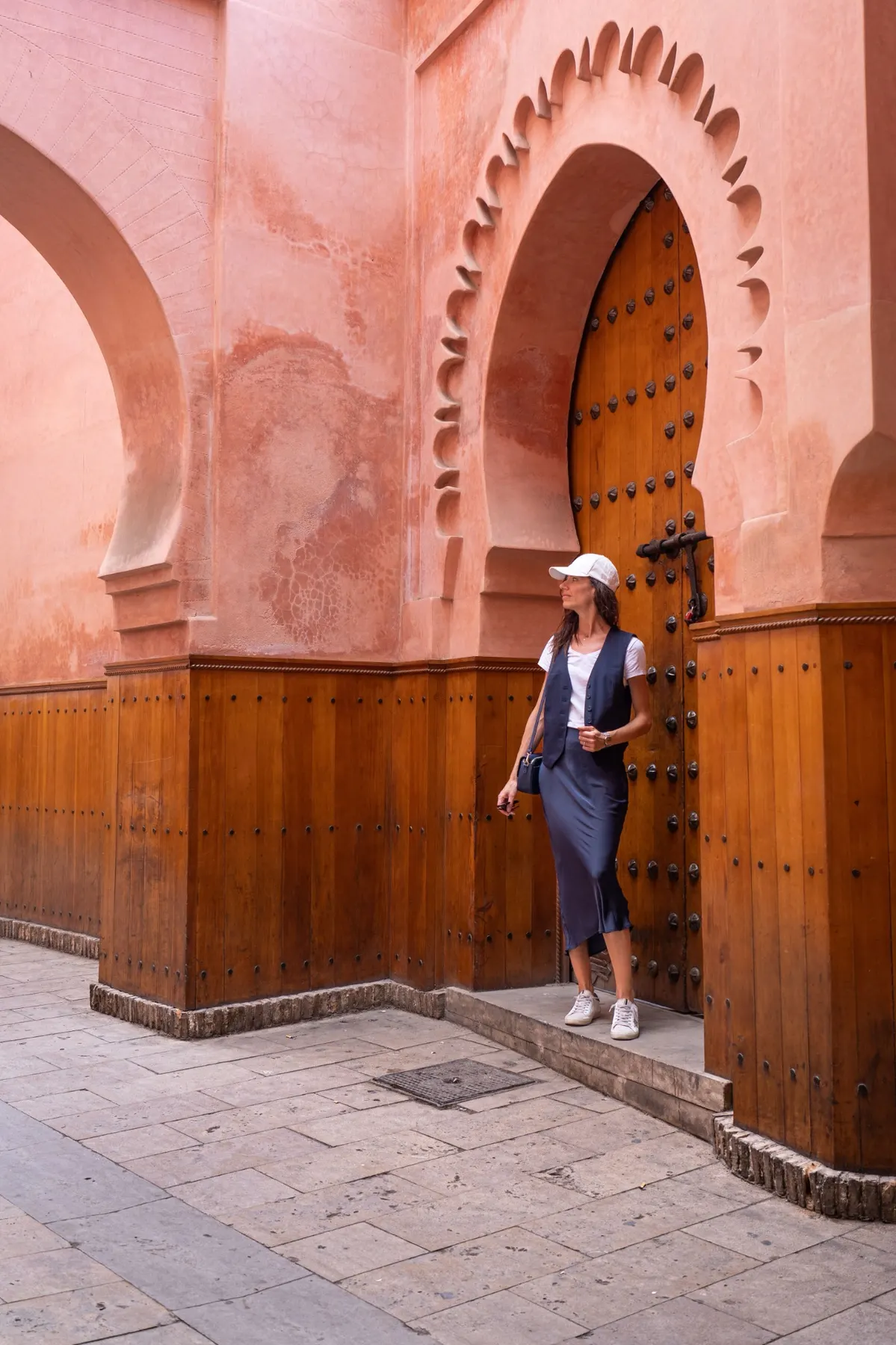
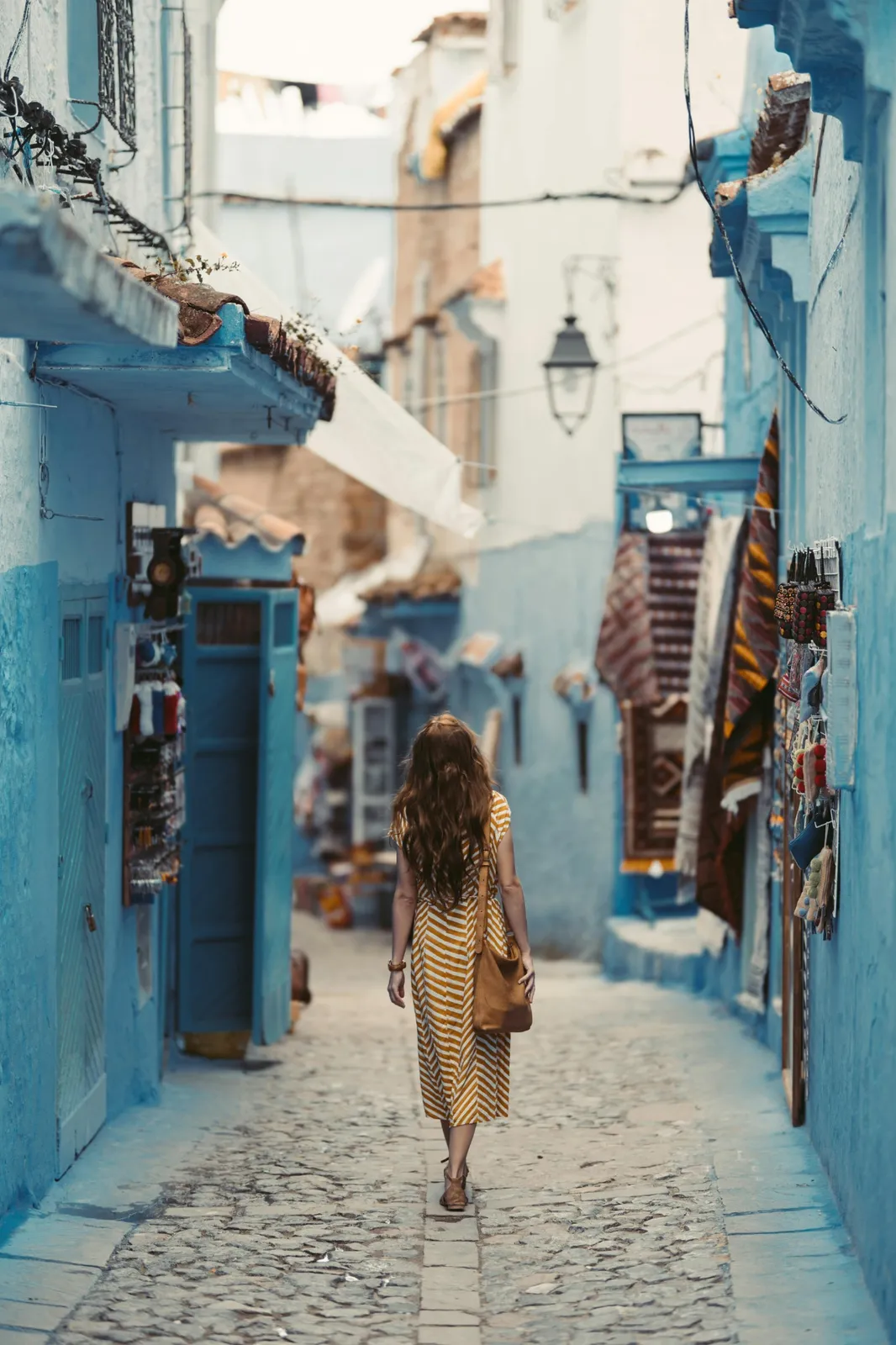
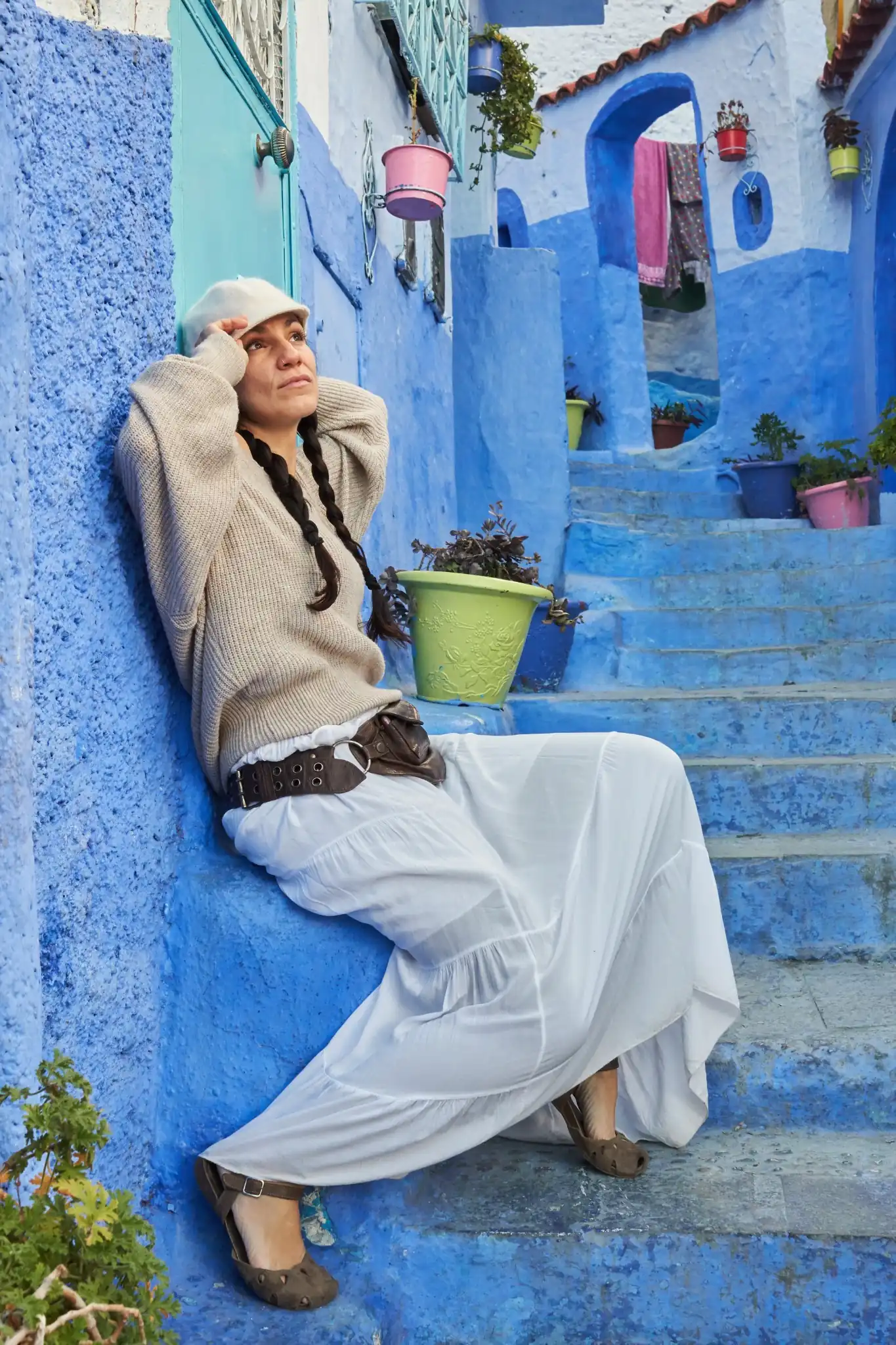
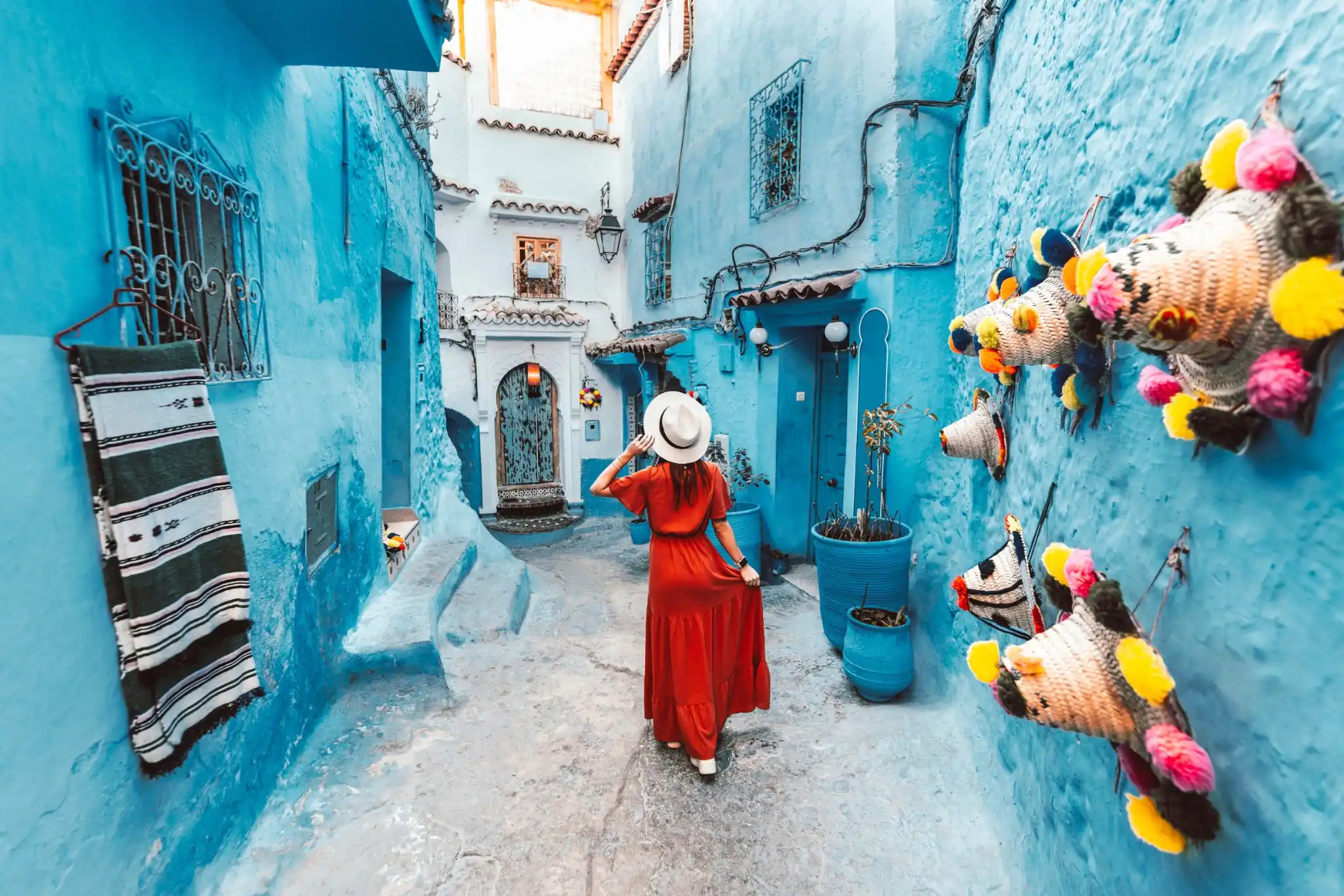
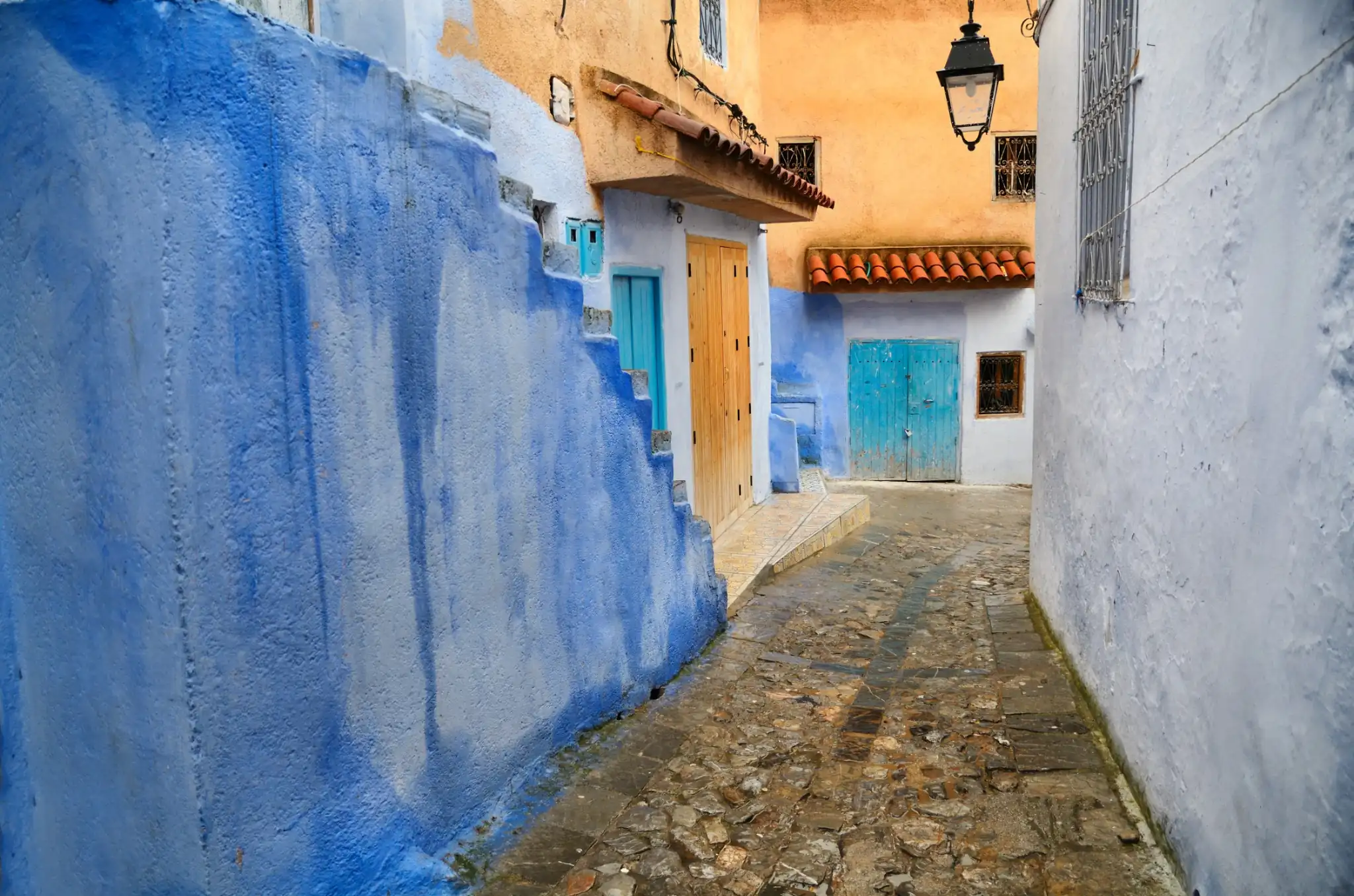
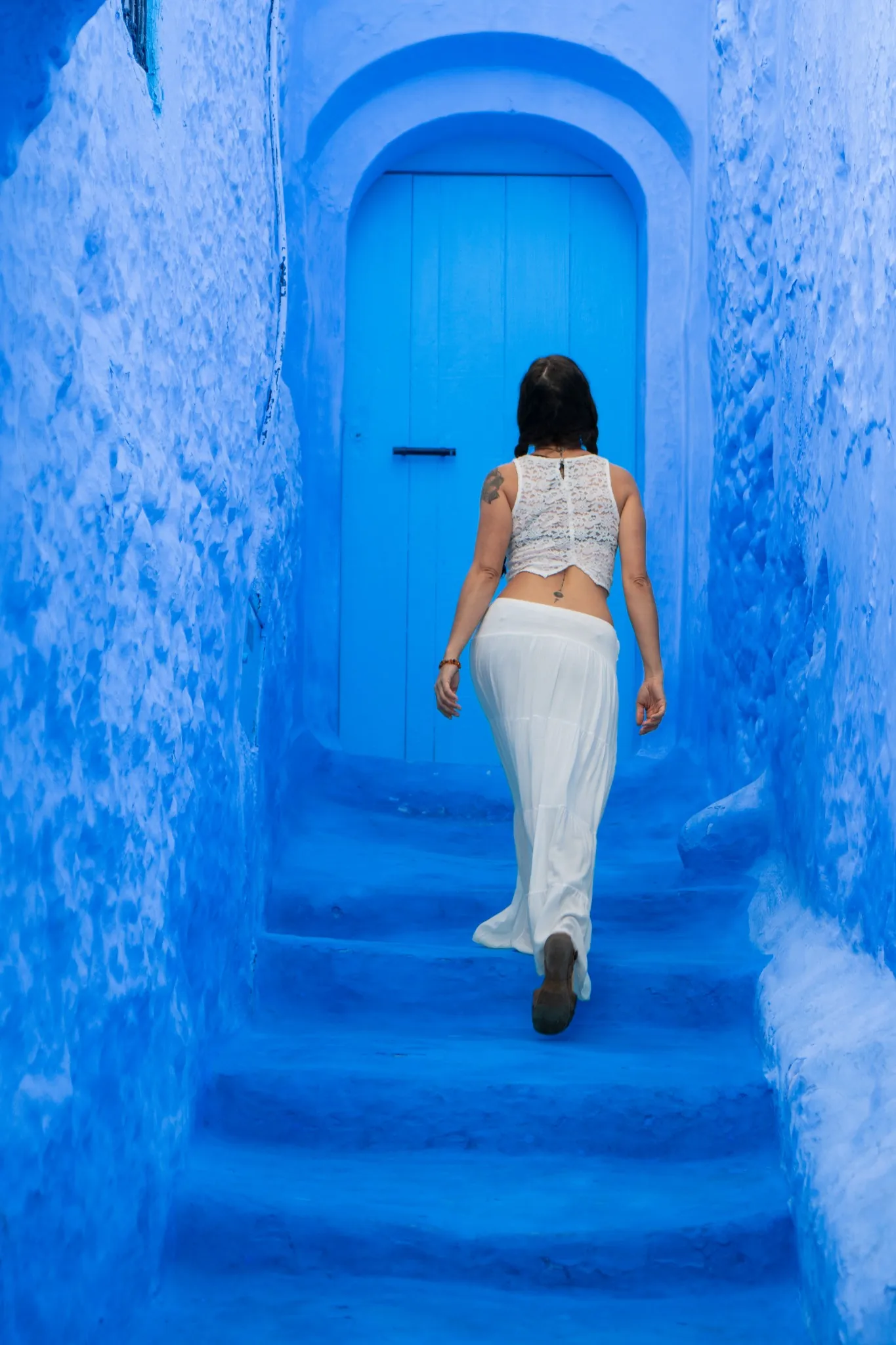
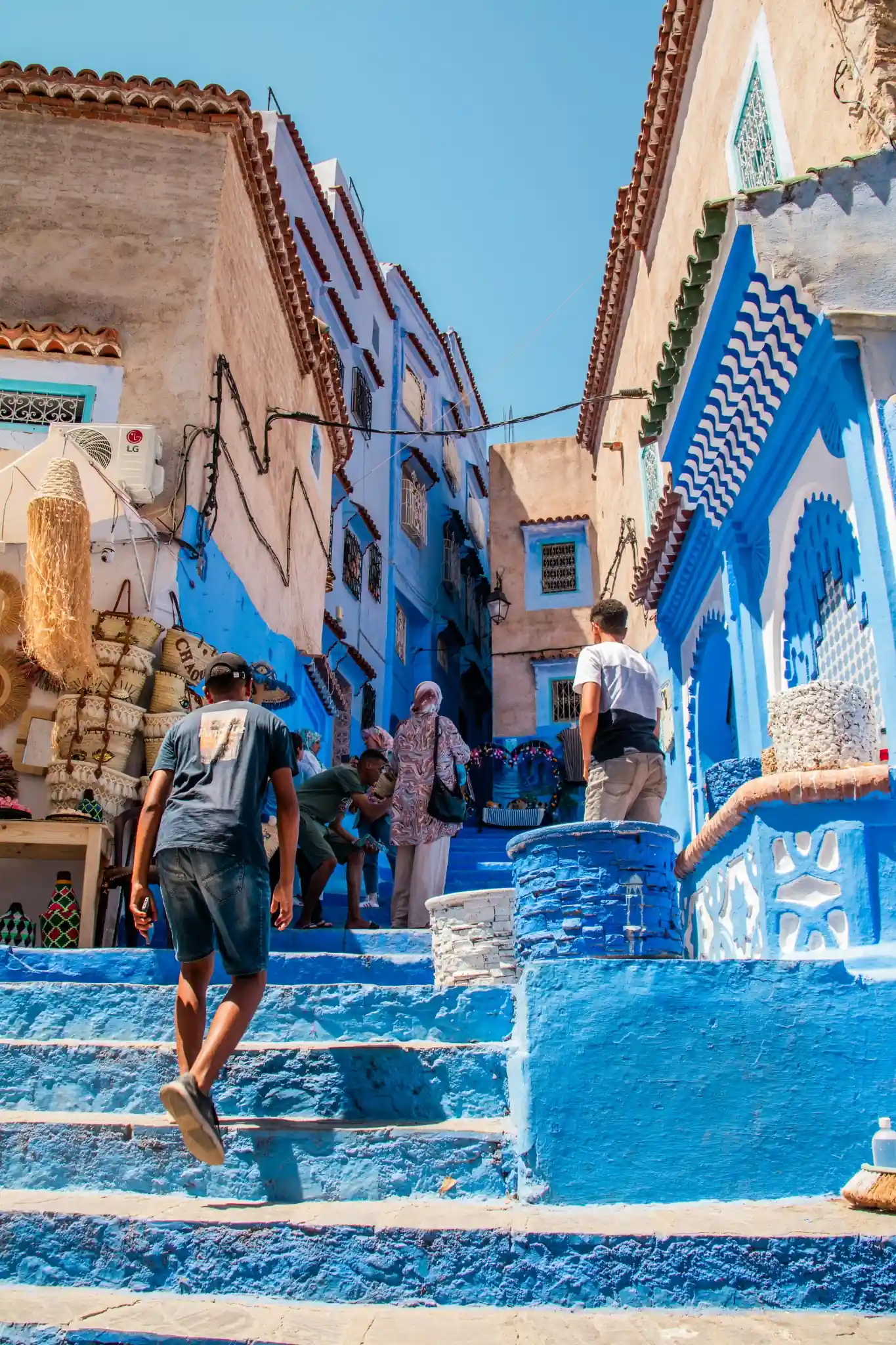
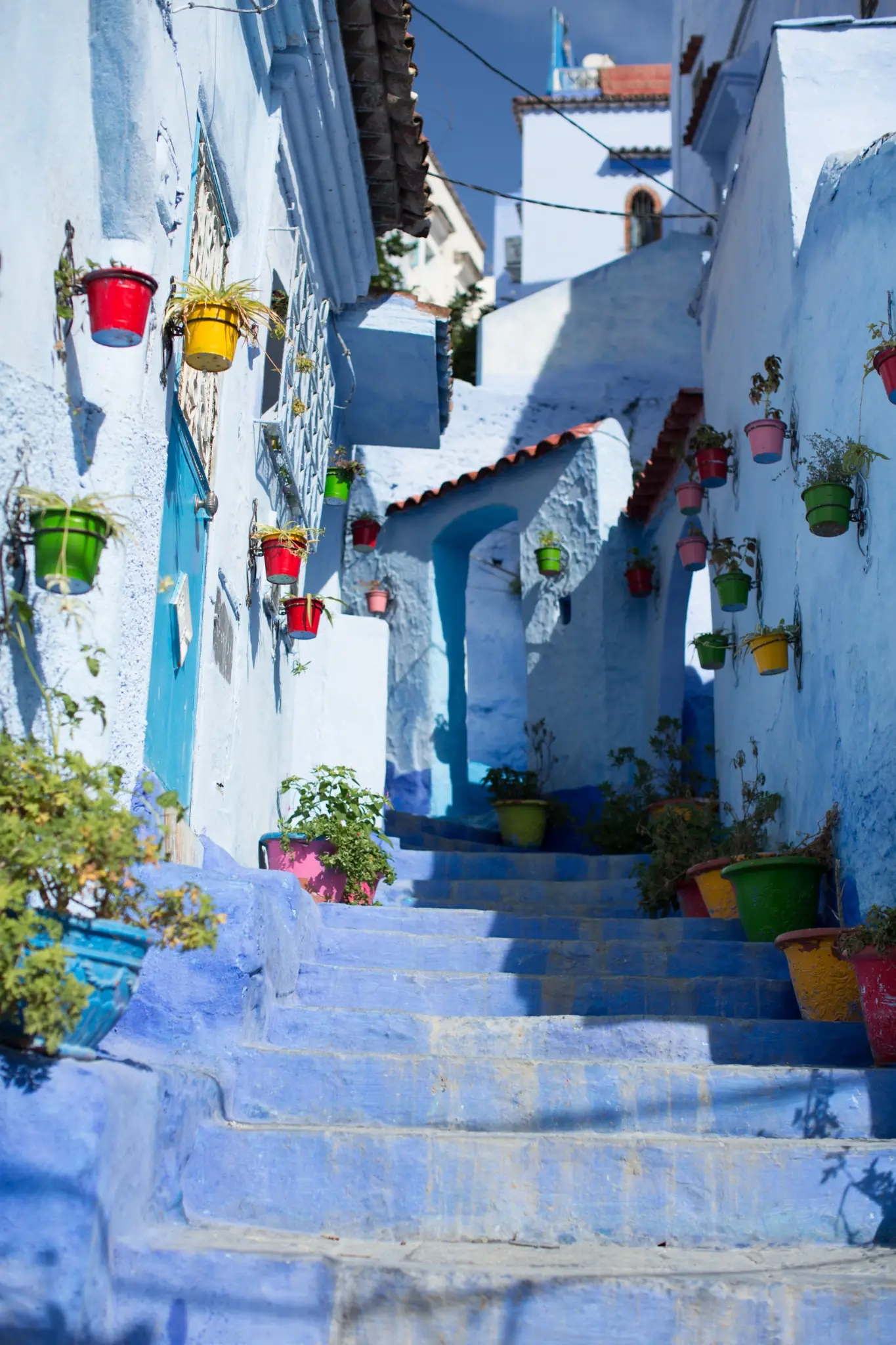
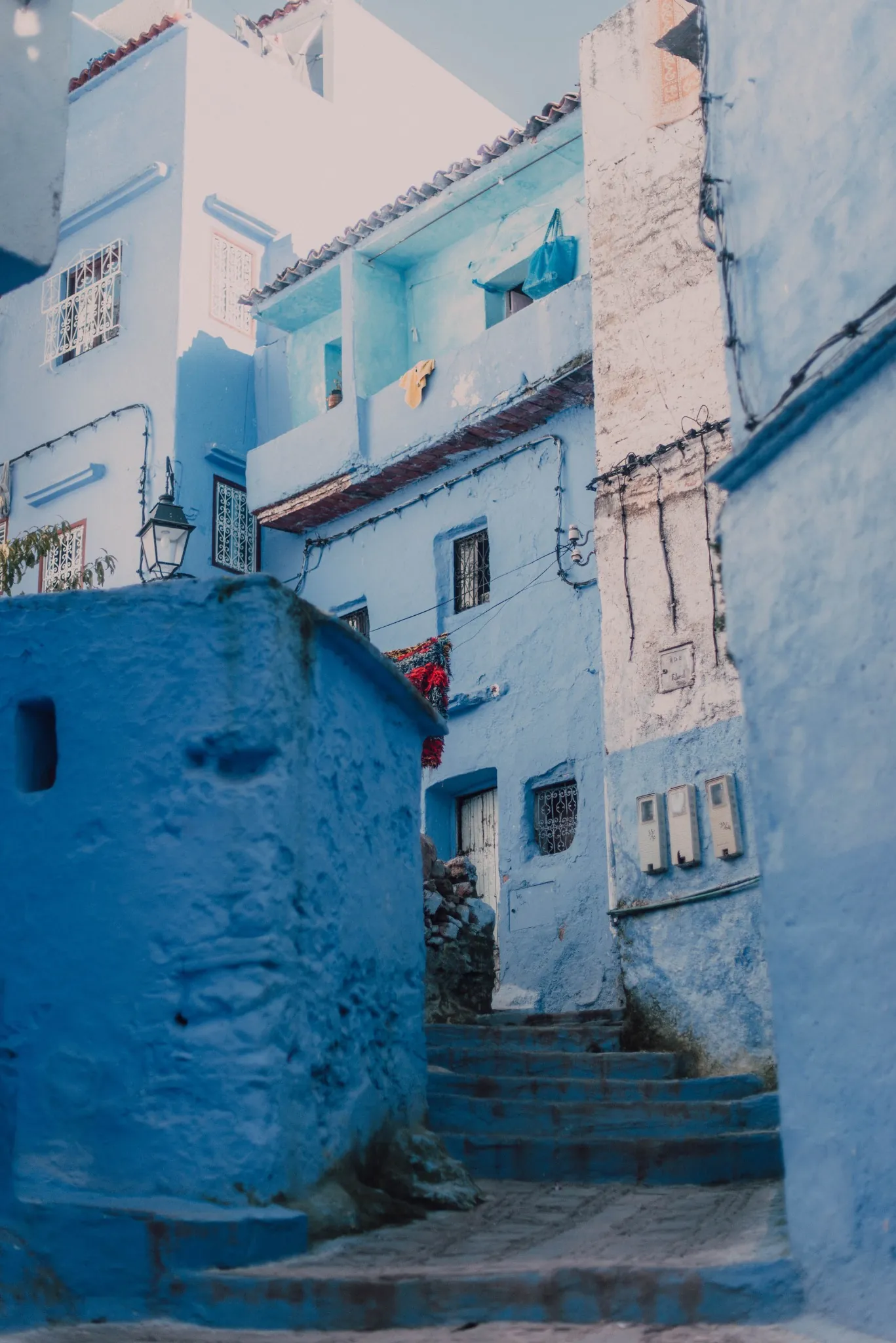
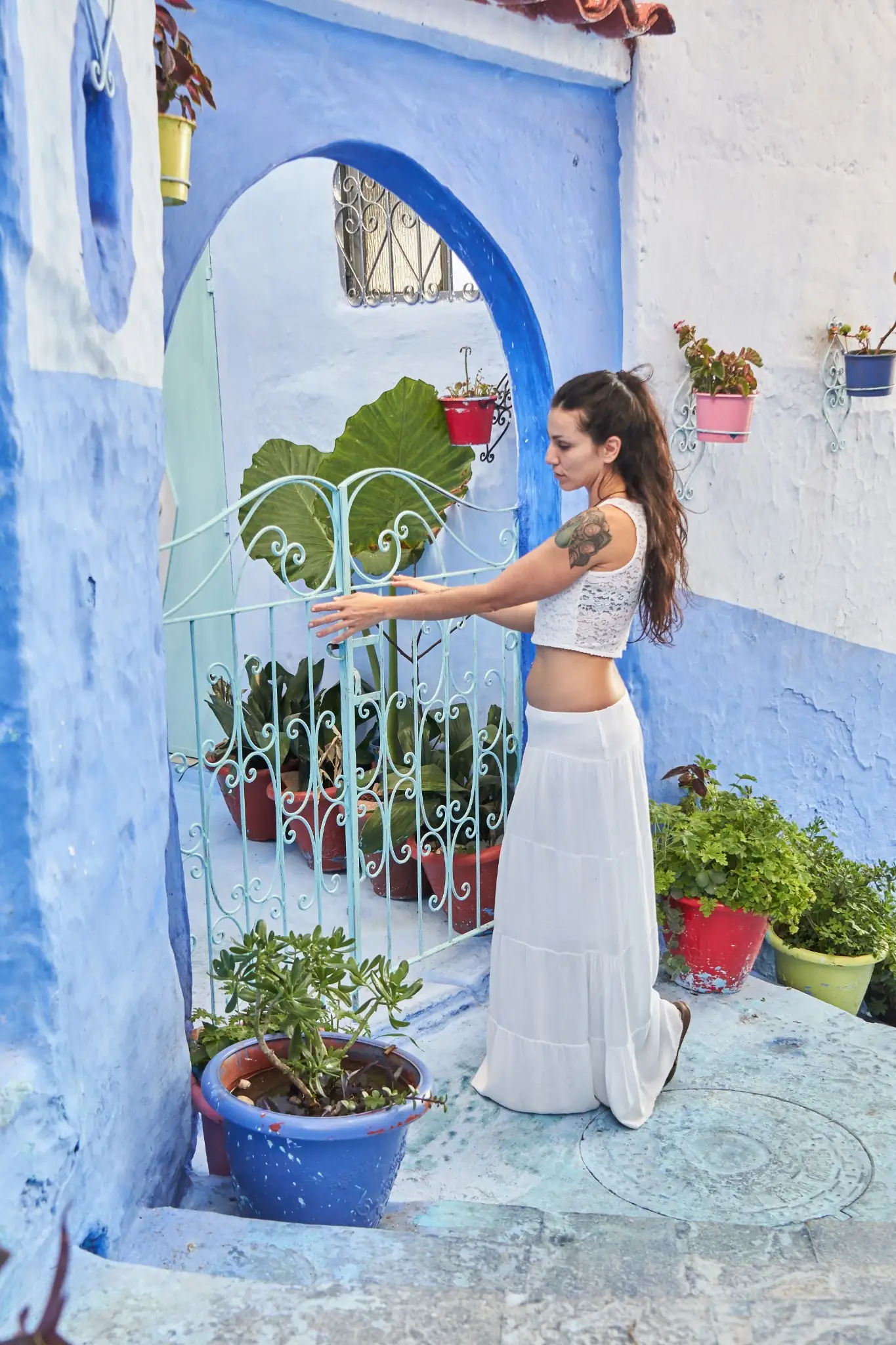
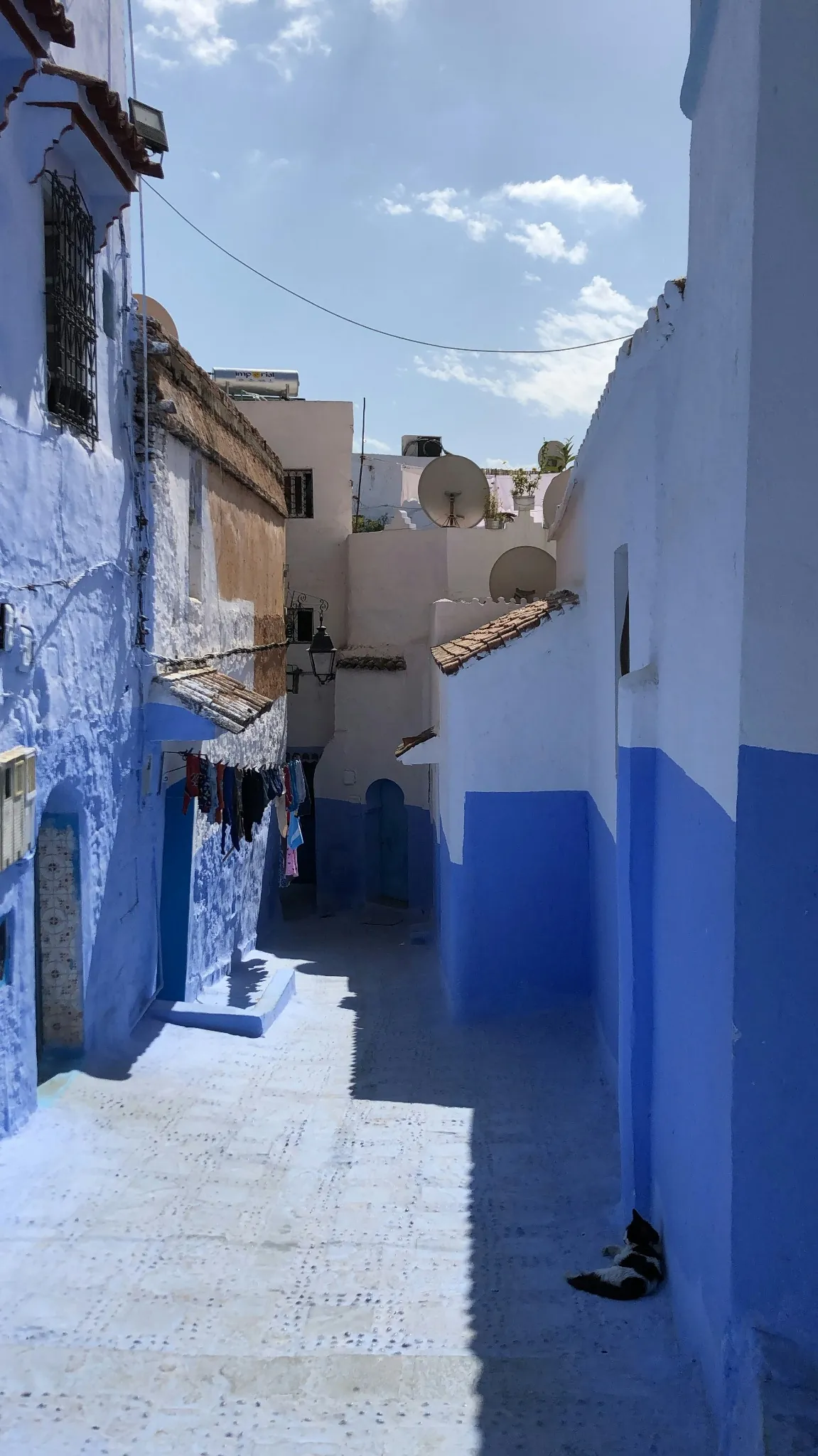
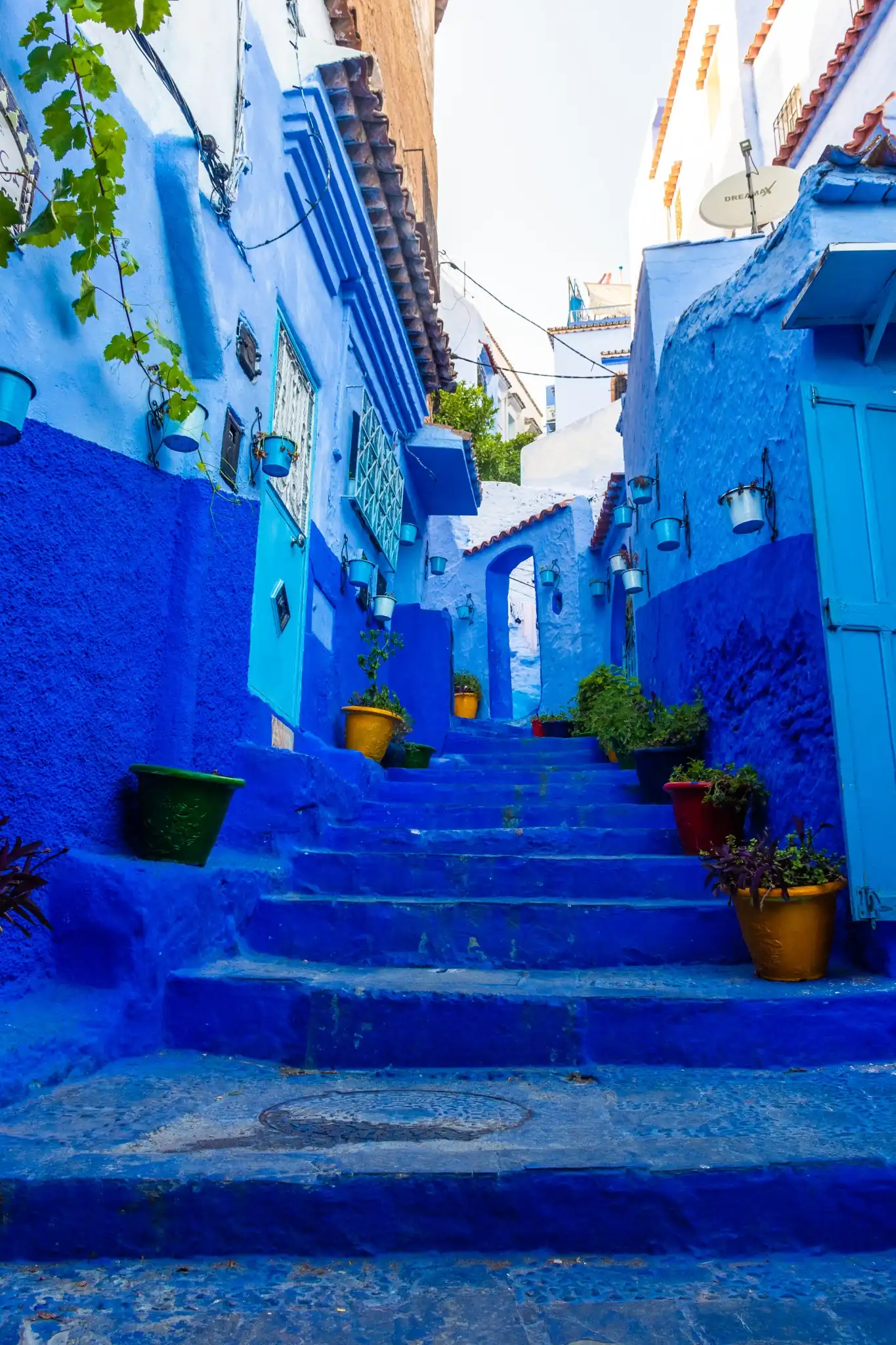
ToggleThere’s a moment, walking up into Chefchaouen, when the whole world seems to turn blue. Walls, staircases, doorways, flowerpots — every surface washed in shades from pale sky to deep indigo, tumbling down a mountainside in the Rif. It’s one of those places that looks almost too beautiful to be real, and yet here it is: a living town where people hang their washing between blue walls and sip mint tea in blue squares.
We’re Morocco Desert Hub, a licensed local travel company, and Chefchaouen is one of the most magical corners of the country we get to share with travelers. This guide covers everything you need: the best things to do in Chefchaouen, the real story behind the blue, when to go, and exactly how to visit — usually as part of a northern journey from Fez or Tangier, or a memorable stop on a longer Morocco tour. By the end, you’ll know precisely how to experience the Chefchaouen Morocco Blue City — and we’d love to help you make it happen.
Why Visit Chefchaouen with Morocco Desert Hub
There are several ways to reach Chefchaouen. Here’s why travelers trust their trip to us.
We’re a genuine local agency, not an overseas reseller. Morocco Desert Hub was founded in 2010 and is licensed by the Moroccan Ministry of Tourism (license number 258147369), with offices in Marrakesh, Casablanca, and Fes. Book with us and you deal directly with the people running your trip — no middleman, no markup.
We know the north. Chefchaouen sits off the main tourist circuit, and getting there takes planning. Our drivers know the mountain roads, the best route from Fez or Tangier, and how to time your visit so you catch the town at its most beautiful.
Everything is private and flexible. Want Chefchaouen as an overnight escape, a day from Tangier, or a highlight woven into a bigger itinerary? We build it around you.
And booking is low-risk. We ask for just a 10% deposit to confirm, you pay 50% on arrival, and the balance only at the end of your trip — so you never hand a large sum to a stranger before you’ve met us.
Chefchaouen, Morocco’s Blue City: A Complete Overview
Chefchaouen (also spelled Chaouen) sits high in the Rif Mountains of northern Morocco, founded in 1471 as a fortress town. For centuries it was closed to outsiders, which is part of why it feels so distinct today — a place with its own Andalusian-influenced character, shaped by the Muslim and Jewish refugees who settled here over the centuries.
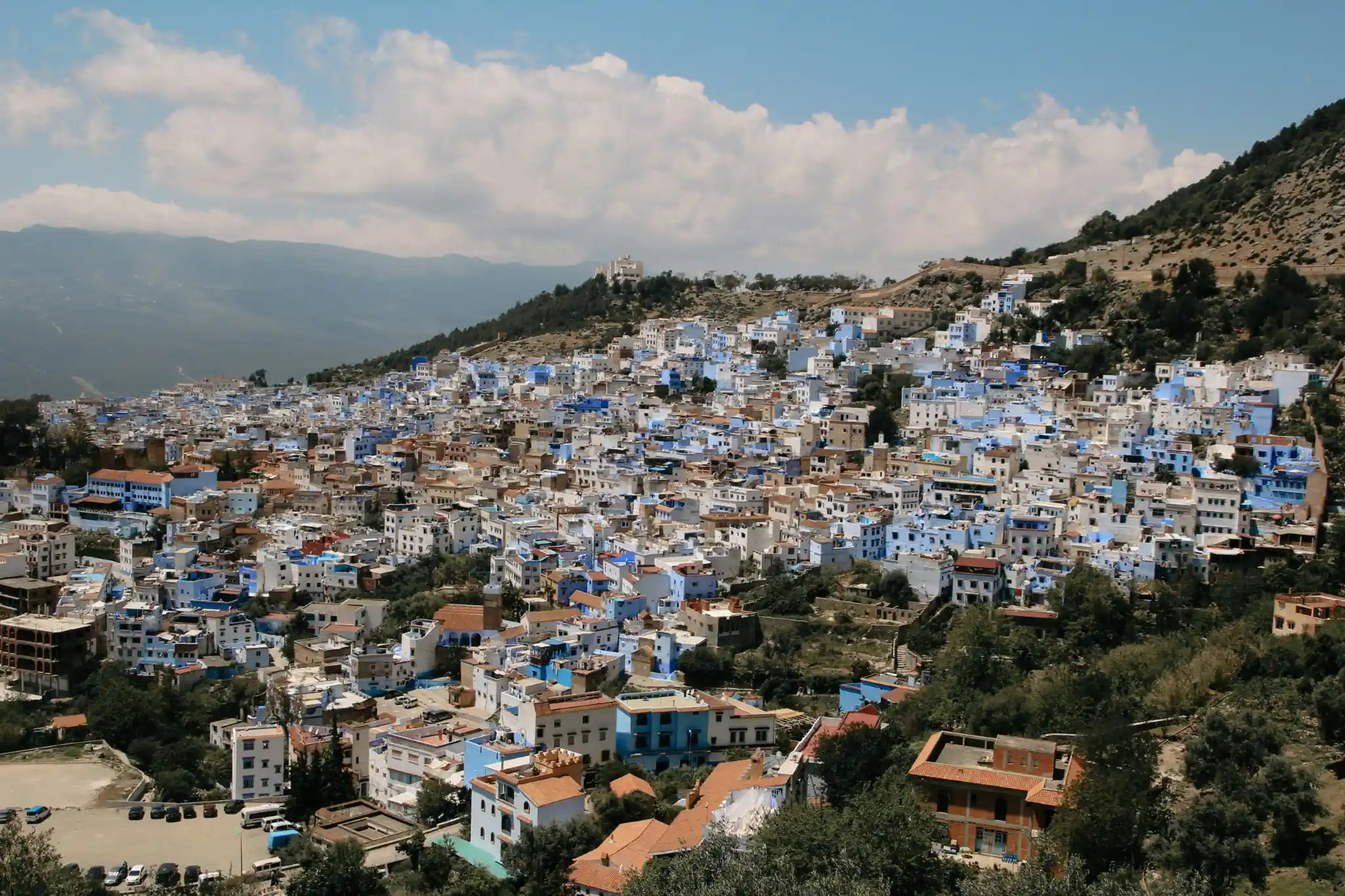
What draws travelers now, of course, is the blue. The entire old medina is painted in shades of blue, making it one of the most photogenic towns on earth and earning it nicknames like “the Blue Pearl of Morocco.” But there’s more here than pretty walls: a lively main square, a 15th-century kasbah, a stunning sunset viewpoint, waterfalls at the edge of town, and some of the best hiking in the country in the surrounding mountains.
Chefchaouen is also refreshingly relaxed. After the intensity of Fez or Marrakesh, the pace here is slow, the hassle is minimal, and the whole town is walkable. Most travelers visit as an overnight stop on a northern route from Fez or Tangier, and many wish they’d stayed longer.
Top Things to Do in Chefchaouen
There’s more to the Blue City than photographs. Here are the experiences we recommend most.
Wander the Blue Medina
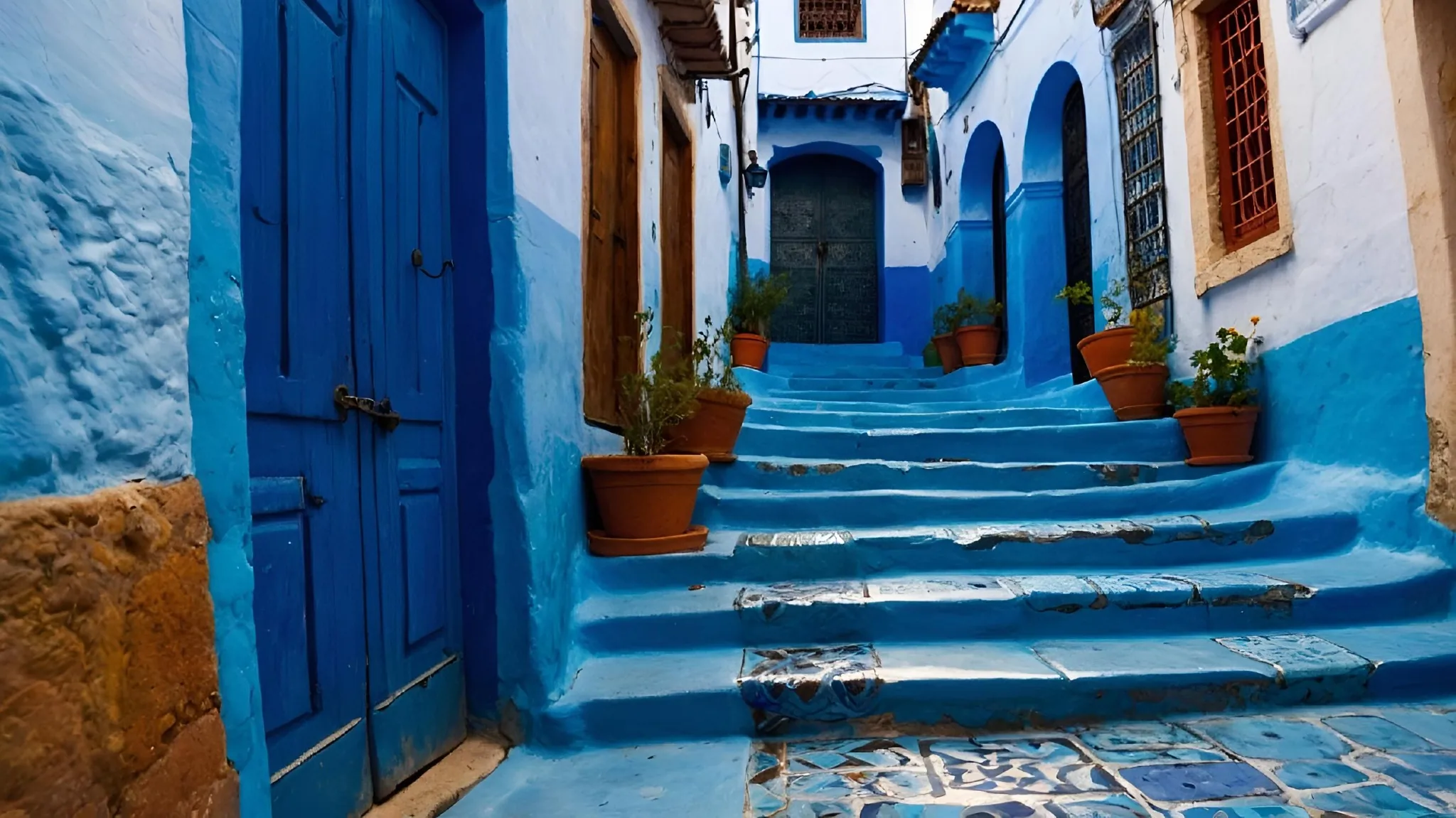
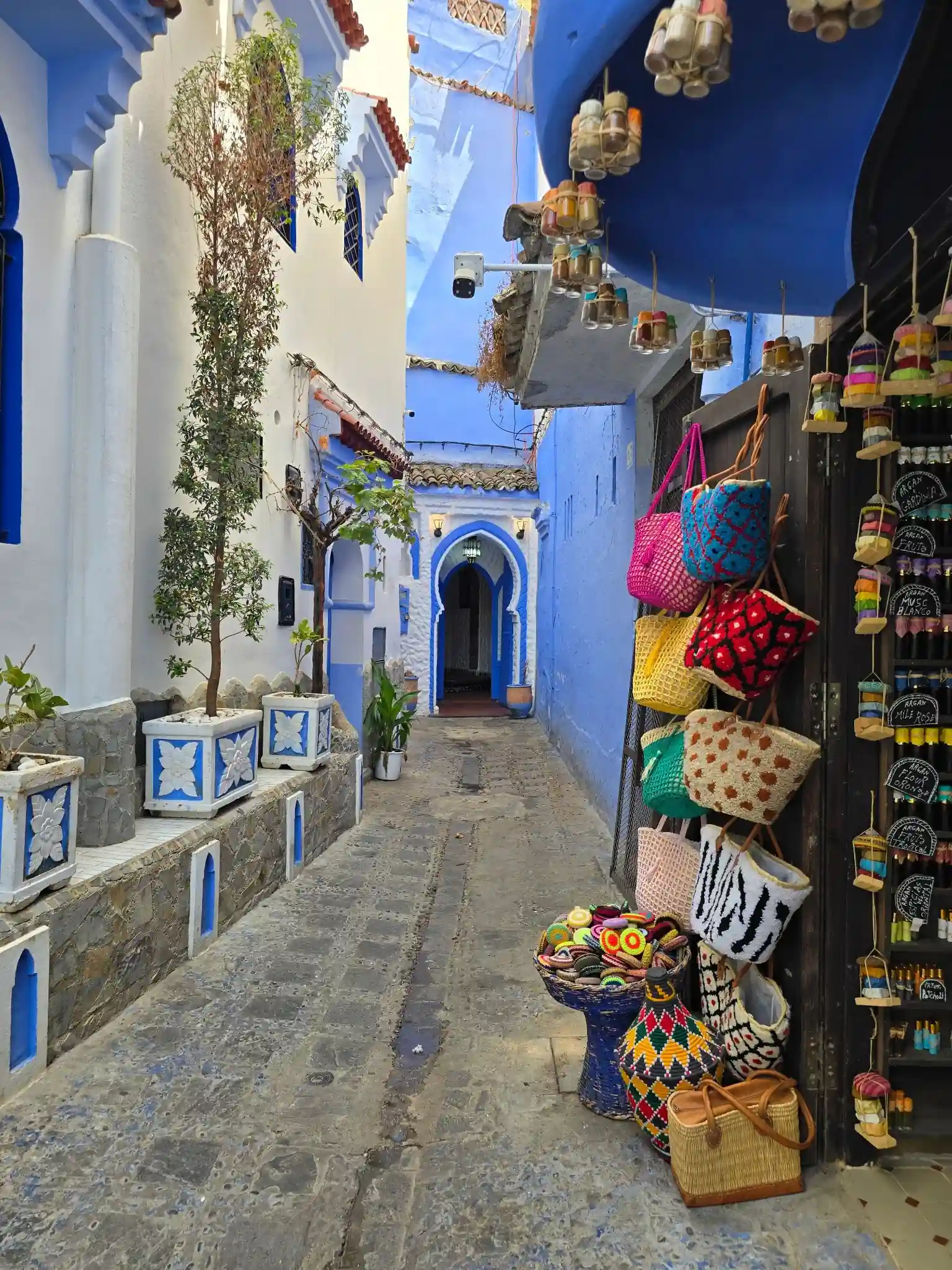
The number one thing to do is simply to get lost in the blue. The medina is small, safe, and endlessly beautiful, with every lane offering another perfect scene — blue steps framed by flowerpots, cats dozing in doorways, artisans at work. Come early morning for soft light and empty streets, and again in the afternoon when the town wakes up.
Plaza Uta el-Hammam and the Kasbah
The heart of Chefchaouen is Plaza Uta el-Hammam, a lively square ringed with cafés and restaurants, perfect for people-watching over a mint tea. On one side stands the 15th-century Kasbah, with its Andalusian gardens, a small ethnographic museum, and a tower offering lovely views over the rooftops. The square’s Grand Mosque, with its distinctive octagonal minaret, is also here.
The Spanish Mosque Viewpoint at Sunset
For the most spectacular view in town, walk up to the Spanish Mosque, perched on a hill just east of the medina. It’s about a 30-minute uphill stroll, and the reward is a sweeping panorama of the entire blue city glowing against the Rif Mountains — unforgettable at sunset. This is the single best photo spot in Chefchaouen.
Hike to the Akchour Waterfalls and God's Bridge
For nature lovers, the Talassemtane National Park around Chefchaouen offers some of Morocco’s best hiking. The star is the trek to the Akchour waterfalls, with their turquoise pools, and the dramatic natural rock arch known as God’s Bridge (Pont de Dieu). It’s a rewarding day out about 45 minutes to an hour from town, and a wonderful contrast to the medina.
Ras el-Maa Waterfall
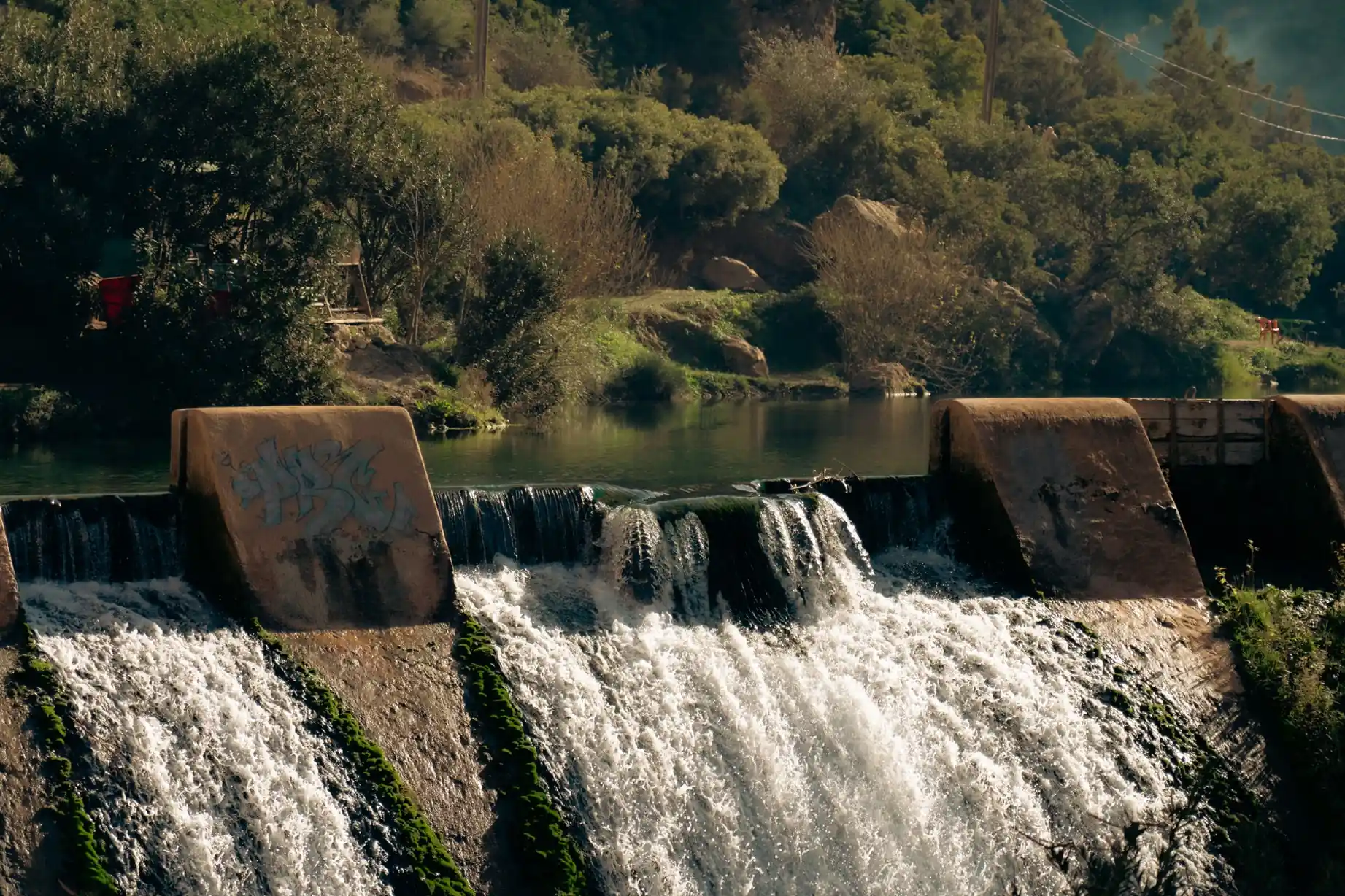
At the eastern edge of the medina, the Ras el-Maa waterfall is where the mountain stream tumbles into town and where locals have long come to wash clothes and cool off. It’s a lovely, lively spot, and the gateway to walks up into the hills and the surrounding countryside.
Shop for Crafts and Taste Local Goat Cheese
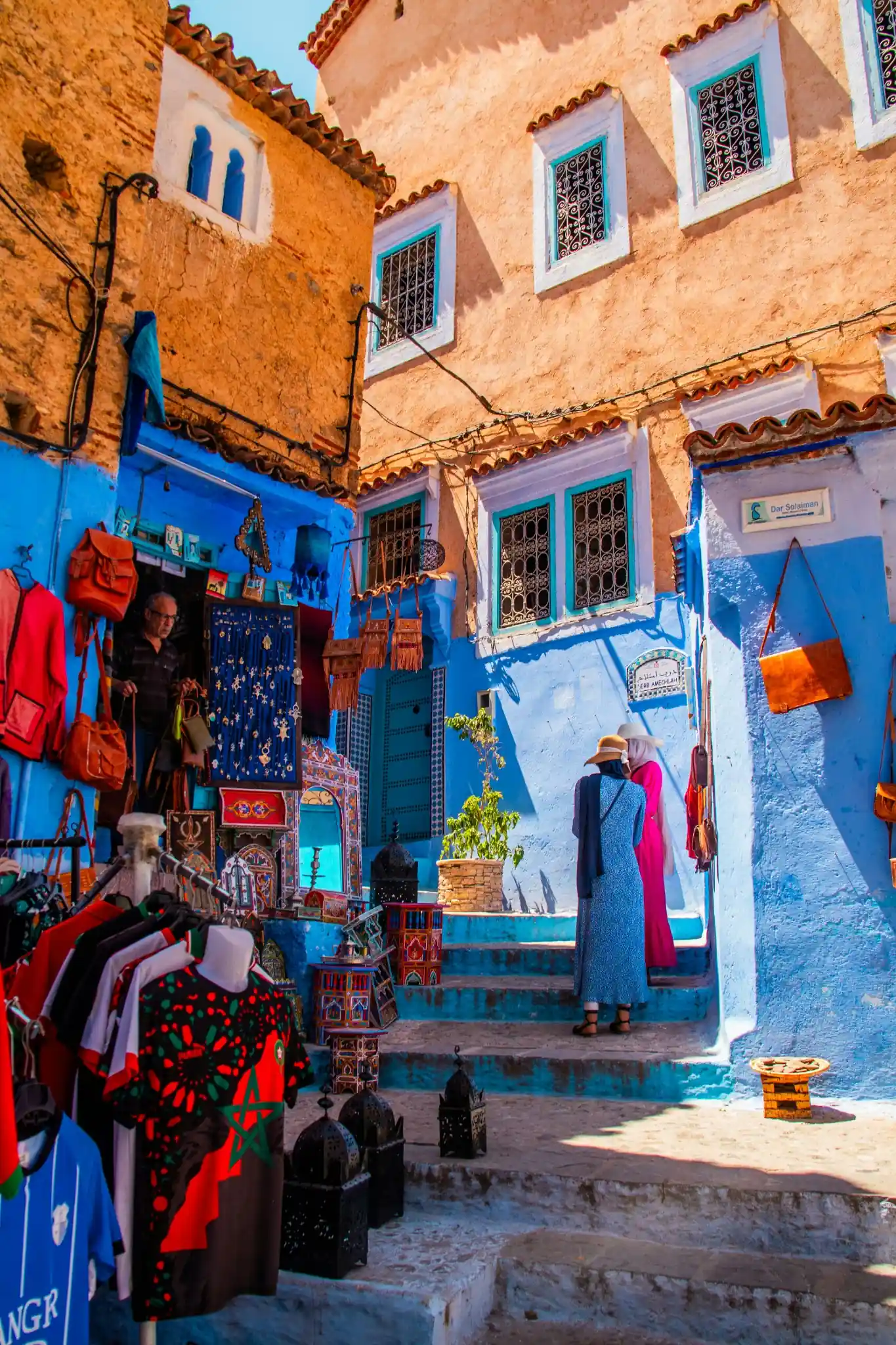
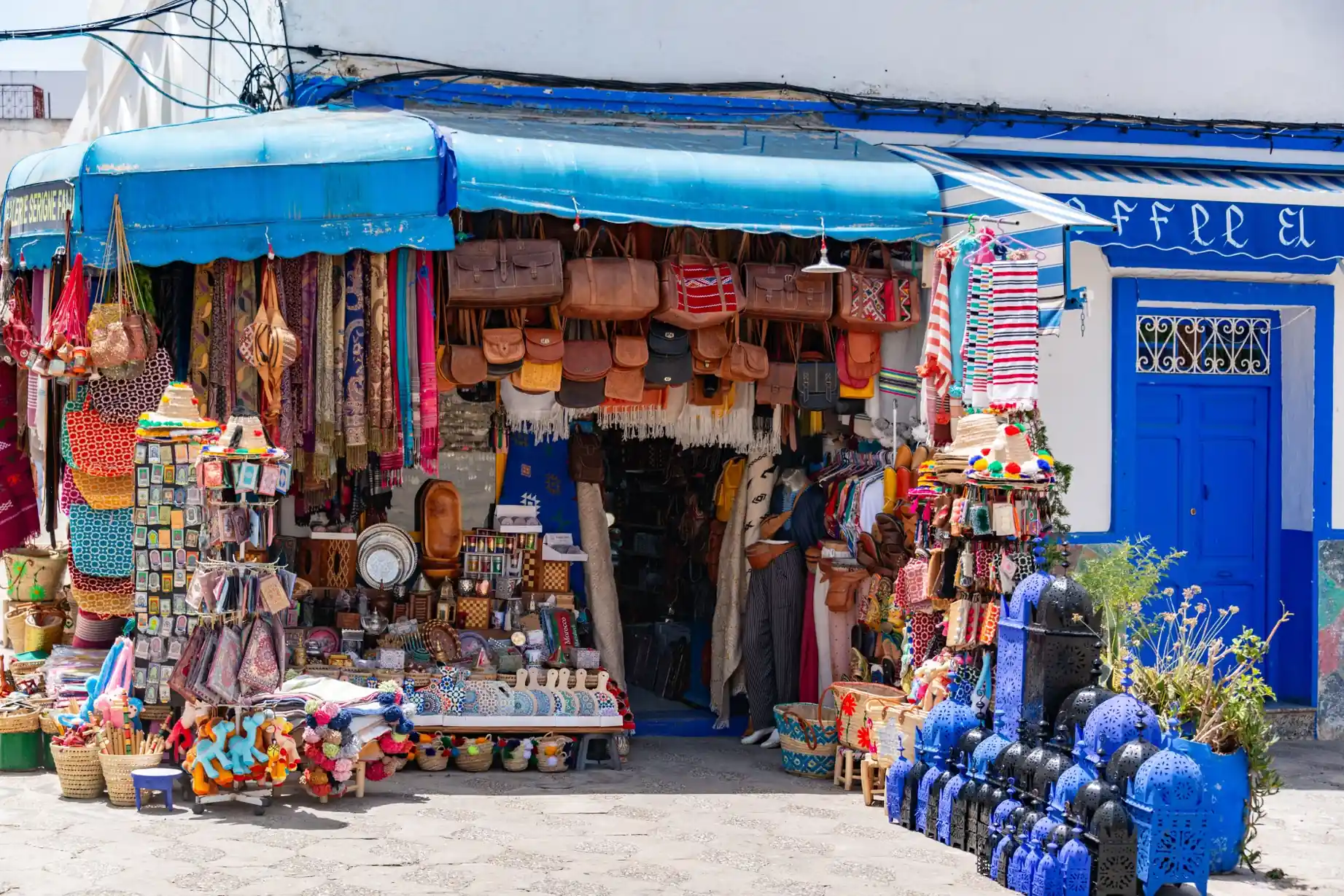
Chefchaouen is known for handicrafts you won’t easily find elsewhere in Morocco — especially woven wool blankets and garments, made in the surrounding Rif villages, along with leather and local art. The region is also famous for its goat cheese, a genuine local specialty worth seeking out.
The Benefits and Highlights of Visiting Chefchaouen
A trip to the Blue City offers something the rest of Morocco doesn’t.
You get the most beautiful town in the country. Few places anywhere are as photogenic, and photographs simply don’t do the blue justice.
You get calm and ease. Chefchaouen is relaxed, walkable, and low-hassle — a genuine breather after the busy imperial cities.
You get mountain nature. The Rif setting means fresh air, cooler temperatures, and world-class hiking on your doorstep.
You get authentic crafts and culture. The wool, the goat cheese, and the Andalusian-influenced character are unique to this corner of Morocco.
And you get a perfect northern anchor. Chefchaouen pairs beautifully with Fez, Tangier, and a wider northern or grand tour.
Where to Stay in Chefchaouen Morocco
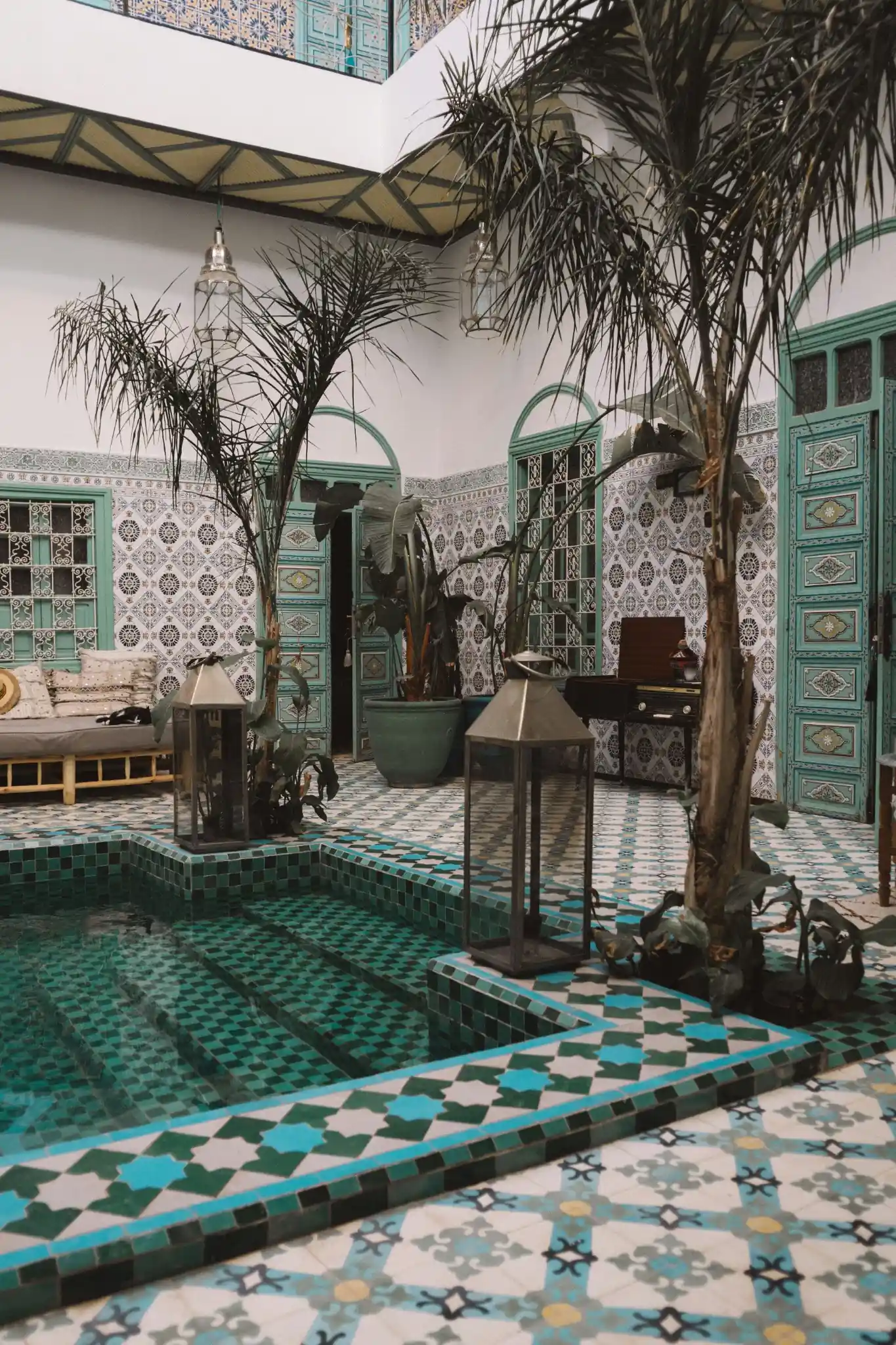
Chefchaouen Morocco has some of the best characterful accommodation in the whole country. The best way to immerse yourself is to stay within the medina, in a traditional riad or guesthouse. The quality of Chefchaouen’s riads is superb, mixing the city’s signature blue and white aesthetic with warm Moroccan hospitality and lovely interiors.
The best riads in Chefchaouen boast rooftop terraces with panoramic views over the blue medina and the Rif Mountains, traditional tiled interior courtyards with central fountains, hand-woven textile décor, and a level of personal service that makes guests feel truly welcomed, not processed.
Morocco Desert Hub provides a carefully selected choice of the best hotel alternatives in Chefchaouen for all budgets – from beautifully renovated boutique riads to cozy family guesthouses offering outstanding value. When you book Chefchaouen tour package with us, we take care of choosing, inspecting and reserving lodging for your overall Morocco trip experience.
Local Expert Advice for Visiting Chefchaouen
Here’s the on-the-ground knowledge that makes a real difference.
Stay overnight if you can. Chefchaouen is at its most magical early in the morning and at sunset, before and after the day-trippers arrive. An overnight stay lets you enjoy the empty blue streets and the golden light that day visitors miss.
Walk up to the Spanish Mosque for sunset. It’s the best view in town and worth every step. Bring water and comfortable shoes.
Wear good footwear. The medina is steep and the streets are cobbled and uneven — comfortable shoes make all the difference.
Ask before photographing people. Locals are used to cameras but not everyone wants their photo taken, especially older residents. A smile and a quick request go a long way.
Politely decline anything you’re offered on the street. The surrounding Rif region has a reputation for cannabis, which remains illegal in Morocco. If approached, a friendly “no thank you” is all you need — Chefchaouen itself is safe and welcoming.
Try the goat cheese and buy a wool blanket. These are genuine local specialties, and buying from the medina supports the mountain communities who make them.
When Is the Best Time to Visit Chefchaouen
Chefchaouen’s mountain setting shapes the seasons.
Spring (April to June) and autumn (September to October) are the best times to visit, with mild, comfortable weather, green surroundings, and ideal conditions for both exploring the medina and hiking in the Rif.
Summer (July and August) is warm but noticeably cooler than the lowland cities thanks to the altitude, making Chefchaouen a pleasant summer escape — though it’s also the busiest season.
Winter (December to February) is cold, and the surrounding mountains can even see snow, which makes for a striking scene against the blue. The town is quiet and atmospheric, but pack warm layers, as it gets chilly.
If you’re combining Chefchaouen with a wider Morocco tour, spring and autumn are ideal across the whole country — the smart choice for most trips.
Travel Planning Tips for Chefchaouen
A few simple decisions make your visit smoother.
Know how to get there. Chefchaouen has no airport and isn’t on the train network. It’s reached by road — around 3.5 to 4 hours from Fez, about 2 to 2.5 hours from Tangier, and roughly 4.5 hours from Casablanca or Rabat. A private tour with a driver is by far the most comfortable and flexible way to arrive, and lets you enjoy the scenery. Buses (such as CTM) also serve the town.
Decide how long to stay. A day trip is possible from Tangier, but Chefchaouen really rewards an overnight stay — ideally one or two nights — so you can experience it beyond the midday crowds.
Pack for the mountains. Bring layers for cool evenings, comfortable walking shoes for the steep streets, and sun protection for daytime.
Carry cash. Morocco uses the dirham, and while some places take cards, you’ll want cash for the medina shops, cafés, and small guesthouses.
For official visitor information, the Moroccan National Tourist Office’s site, Visit Morocco, is a useful resource for planning your trip.
Common Mistakes Travelers Make in Chefchaouen
Avoid these and your visit will be all the better.
Only visiting as a rushed day trip. Chefchaouen’s magic is in the early morning and evening light. Coming only in the busy midday hours means missing its best moments — stay overnight if you can.
Underestimating the journey. Chefchaouen is in the mountains with no airport or train, so the drive is longer than many expect. Plan your route and travel time accordingly.
Wearing the wrong shoes. The steep, cobbled streets aren’t kind to unsuitable footwear. Comfortable, sturdy shoes are essential.
Photographing people without asking. It’s a photographer’s paradise, but always ask before photographing residents, especially older locals.
Engaging with street offers of cannabis. The Rif’s reputation means you may be approached. It’s illegal in Morocco — simply decline politely and move on.
Not allowing time for the hikes. Many travelers stick to the medina and miss the beautiful Akchour waterfalls and the Rif trails, which are a highlight for nature lovers.
How to Visit Chefchaouen with Morocco Desert Hub
For most of our travelers, the best way to experience Chefchaouen is as part of a private northern journey. We can bring you here from Fez or Tangier with your own driver, along scenic mountain roads, and arrange an overnight stay so you enjoy the blue city at its magical best — sunrise, sunset, and the quiet streets in between.
Chefchaouen also slots beautifully into longer itineraries. Many travelers combine it with Fez and the imperial cities, or with Tangier and the north, and some include it in a grand tour that continues to the Sahara and Marrakesh. However you’d like to see it, we’ll build it around your dates and interests.
Whichever you choose, you’ll have a local driver, honest advice, handpicked accommodation, and our round-the-clock support — with just a 10% deposit to confirm.
Popular Tours to Chefchaouen
Because Chefchaouen has no airport, the best way to reach it is with a private driver from Fez, Tangier, or as part of a longer journey. These are the tours to the Blue City our travelers book most, all private and fully customizable.
Chefchaouen Day Trip from Tangier
2-Day Fez to Chefchaouen Tour
3-Day Northern Morocco: Fez, Chefchaouen and Tangier
Chefchaouen and Akchour Waterfalls Hiking Tour
Chefchaouen to Marrakesh Grand Tour via the Sahara
Custom Northern Morocco Tour
Plan Your Trip to Chefchaouen with Morocco Desert Hub
Chefchaouen is the kind of place that stays with you long after you leave — the blue lanes, the mountain air, the slow afternoons in a square where nobody’s in a hurry. It’s Morocco at its most peaceful and its most photogenic, and experiencing it properly, with an overnight stay and a local team who know the north, turns a quick photo stop into a genuine highlight of your trip.
As a licensed local company, Morocco Desert Hub can bring you to the Blue City from Fez or Tangier and weave it into a wider Moroccan adventure — the imperial cities, the north, even the Sahara. We handle the driving, the route, and the details, so all you have to do is enjoy the blue.
Tell us your dates and your dreams, and we’ll send you a tailored itinerary and a transparent quote within 24 hours — with no obligation, no pressure, and just a 10% deposit to secure your trip.
The Blue Pearl is waiting. Let’s plan your Chefchaouen escape together — contact Morocco Desert Hub today.
Travelers Say About Marrakesh Tours wiht Morocco Desert Hub
"The blue streets at sunrise were unreal" Staying overnight in Chefchaouen, as Morocco Desert Hub suggested, made all the difference. We had the blue medina almost to ourselves in the early morning before the day-trippers arrived. The Spanish Mosque at sunset was magical too. A real highlight of our trip.