
Best Places to Visit in Morocco : A Local Expert's Guide
Table of Contents
ToggleAsk ten travelers what Morocco looks like and you’ll get ten different answers — a blue mountain town, a sea of orange dunes, a medieval medina, a windswept Atlantic port. The remarkable thing is that they’re all right. Few countries on earth pack this much variety inside one border, and that’s exactly what makes planning a trip here both thrilling and a little overwhelming. Where do you even start?
We’re Morocco Desert Hub, a licensed local travel company, and helping travelers answer that question is what we do every day. This guide covers the best places to visit in Morocco — chosen not from a search engine, but from years of actually taking people to them. For each one, you’ll get the honest picture: what makes it special, how long it deserves, and how it fits into a real itinerary. By the end, you’ll know exactly where you want to go, and we’d love to take you there.
Why Plan Your Morocco Trip with Morocco Desert Hub
Anyone can list destinations. Here’s why travelers trust us to actually get them there.
We’re a genuine local agency, not an overseas reseller. Morocco Desert Hub was founded in 2010 and is licensed by the Moroccan Ministry of Tourism (license number 258147369), with offices in Marrakech, Casablanca, and Fes. Book with us and you deal directly with the people running your trip.
Our guides live in these places. Simo grew up between the Marrakech souks and the Atlas valleys, Jamal in the medina of Fes, and Ali has been reading the Sahara’s dunes since childhood. When we say a place is worth your time, it’s first-hand knowledge, not a brochure.
Every trip is private and built around you. This guide will help you choose your places; we’ll connect them into one seamless route, at your pace, with your interests at the center.
And booking is low-risk. Just a 10% deposit to confirm, 50% on arrival, and the balance at the end of your trip.
The Best Places to Visit in Morocco at a Glance
Short on time? Here’s the honest shortlist, before we go deeper:
- Marrakech — the intoxicating Red City and the perfect base
- The Sahara Desert at Merzouga — the night under the stars you’ll never forget
- Fes — the world’s most fascinating medieval medina
- Chefchaouen — the famous blue town of the Rif Mountains
- Essaouira — breezy Atlantic charm and the best seafood in Morocco
- The High Atlas Mountains — Berber villages beneath 4,000-metre peaks
- Aït Ben Haddou & Ouarzazate — the great kasbah and the gateway to the south
- Casablanca & Rabat — the modern face and the elegant capital
- Meknes & Volubilis — imperial history and Roman ruins
- Tangier & the North — where the Mediterranean meets the Atlantic
Now, the detail — and how to choose between them.
Marrakech: The Red City
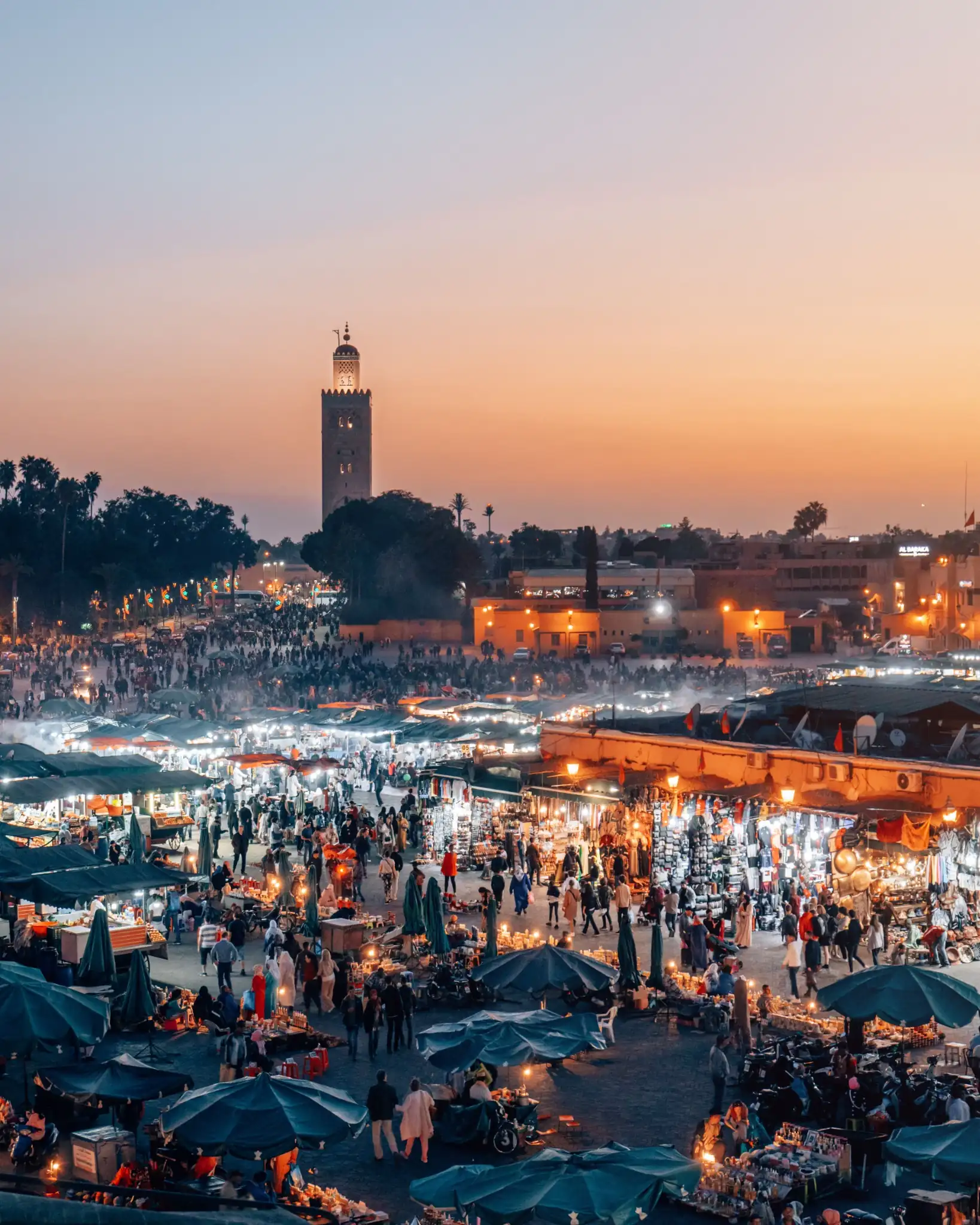
For most travelers, Morocco begins in Marrakech, and honestly, it’s the right call. The city is an assault on the senses in the best way — the drama of Jemaa el-Fnaa square at dusk, the labyrinth of souks, the tranquil palaces and gardens hiding behind plain doors, and a riad scene unmatched anywhere in the country.
Give it two to three days: enough for a guided medina day, a garden morning, a cooking class or hammam, and an evening watching the square come alive. Marrakech is also the country’s best base, with the Atlas, the coast, and the desert routes all starting here — see our full Marrakesh tours guide and the best day trips from Marrakech for the detail.
Best for: first-timers, food and culture lovers, and anyone who wants a vibrant base.
The Sahara Desert at Merzouga: The Night You'll Never Forget
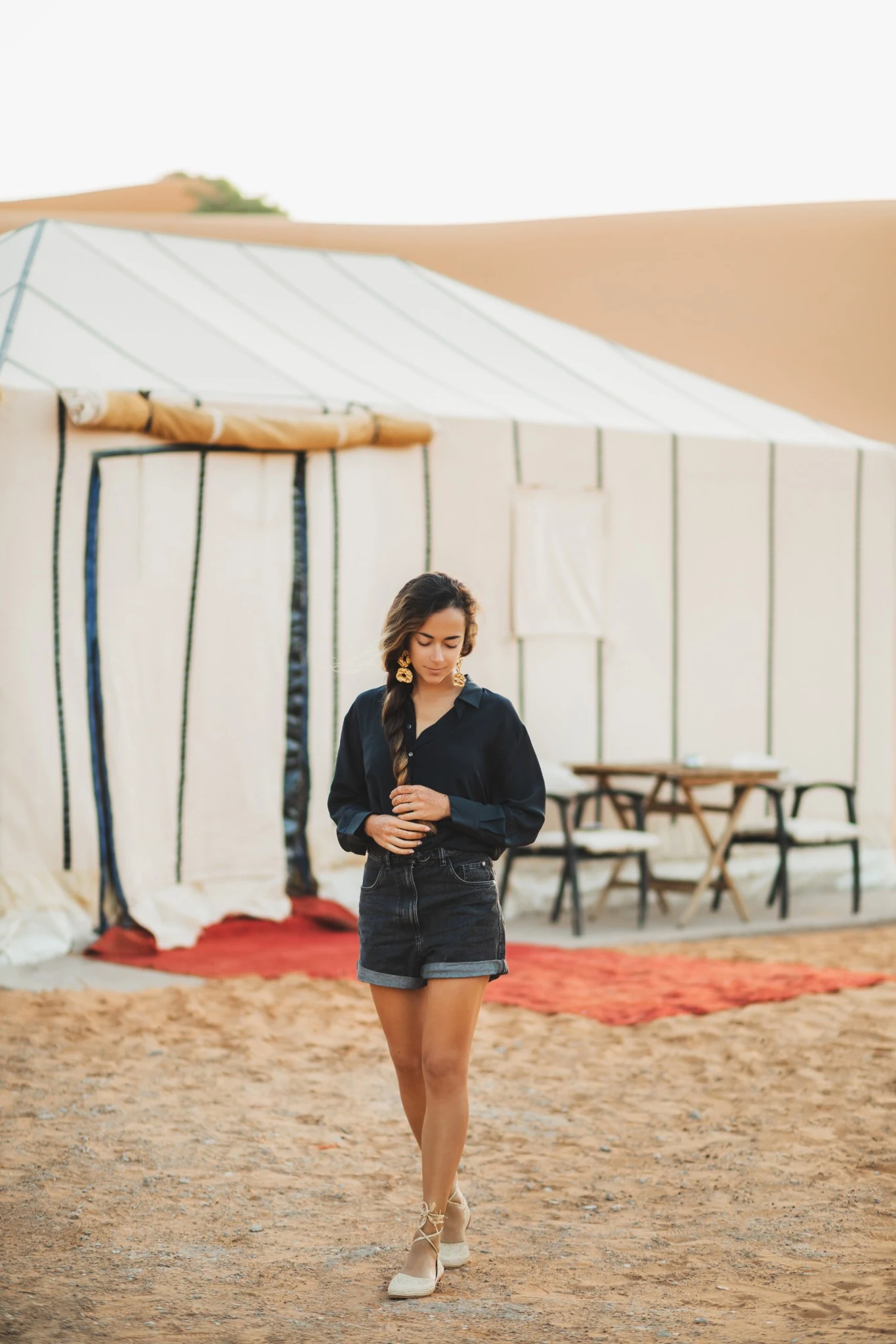
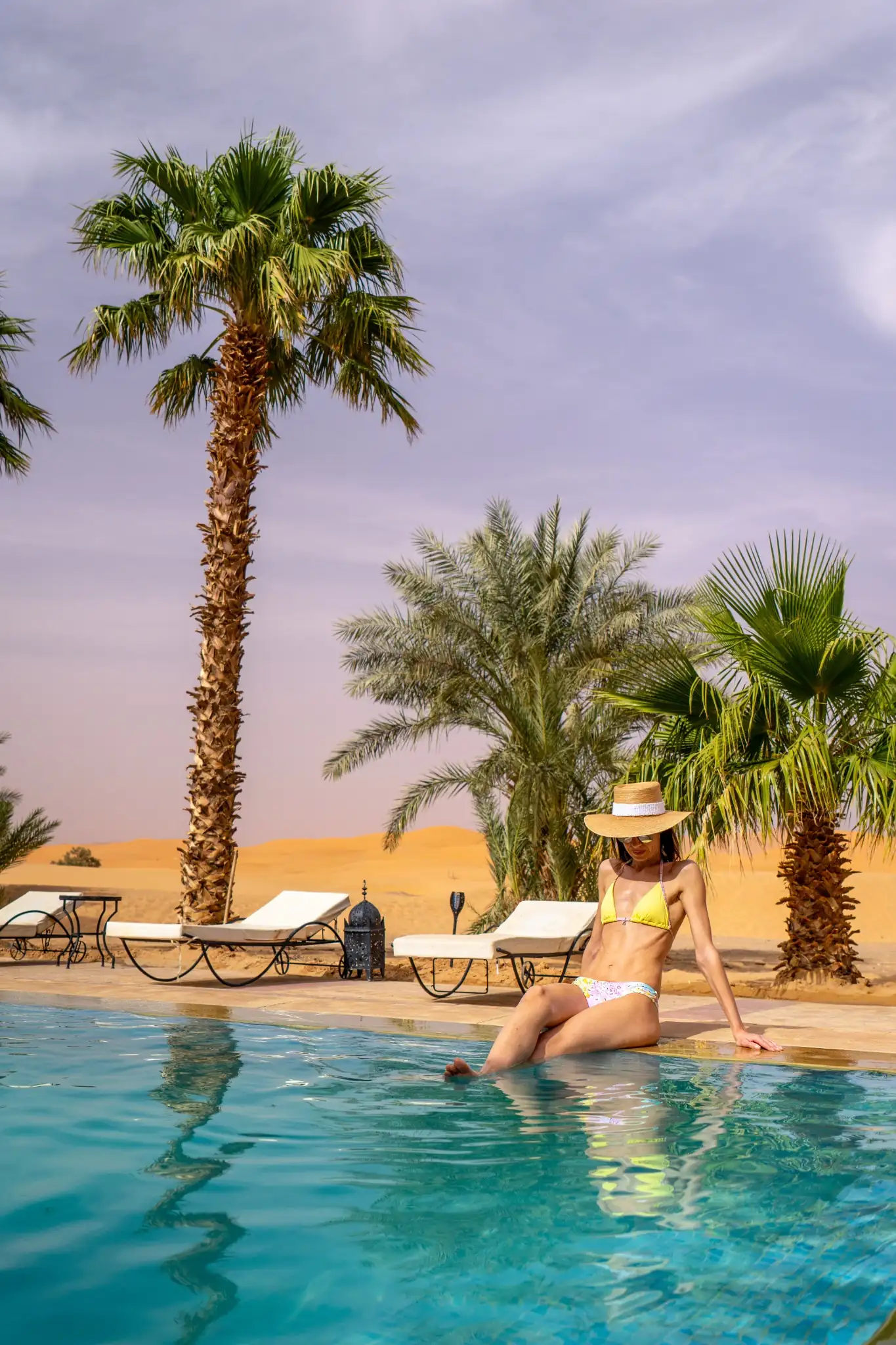
If we could send every traveler to just one place, it would be this. The Erg Chebbi dunes at Merzouga rise up to 150 metres — the true, cinematic Sahara — and a night there follows a rhythm that never fails: a camel trek into the sand at sunset, dinner and Berber music at a desert camp, a sky absurdly full of stars, and a sunrise that turns the dunes from grey to gold.
Be aware of the honest logistics: Merzouga is 9 to 10 hours from Marrakech, so it needs a multi-day tour (three days is the sweet spot) — it is not a day trip, and the cheap “desert day trips” you’ll see advertised go elsewhere. The journey itself, over the Atlas and through the kasbah country, is half the magic. Everything you need to know is in our Merzouga desert tours guide.
Best for: everyone, truly — but especially couples, photographers, and bucket-listers.
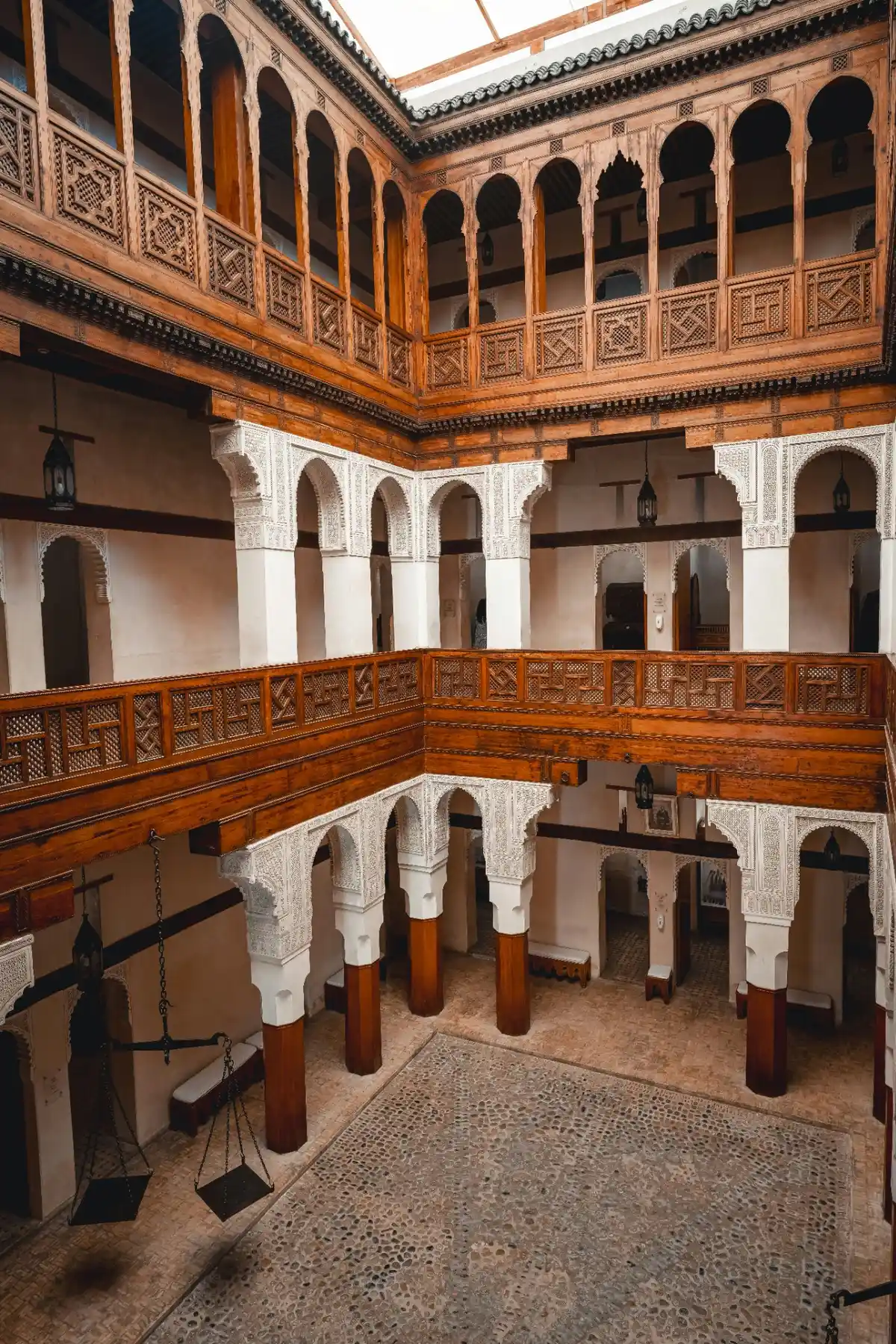
Fes: The Medieval Masterpiece
Fes is Morocco’s oldest imperial city and its cultural soul. The medina of Fes el-Bali is the largest car-free urban area in the world — thousands of lanes where the Middle Ages never quite ended, home to the University of al-Qarawiyyin (founded 859 CE, the oldest in the world) and the extraordinary Chouara tanneries, dyeing leather the same way since the 11th century.
Fes rewards depth and, more than anywhere in Morocco, a local guide — the medina is gloriously confusing. Give it a full day minimum, ideally two, and see our Fez tours guide for exactly how to do it right.
Best for: history lovers, craft and architecture enthusiasts, and travelers who want the deepest Morocco.
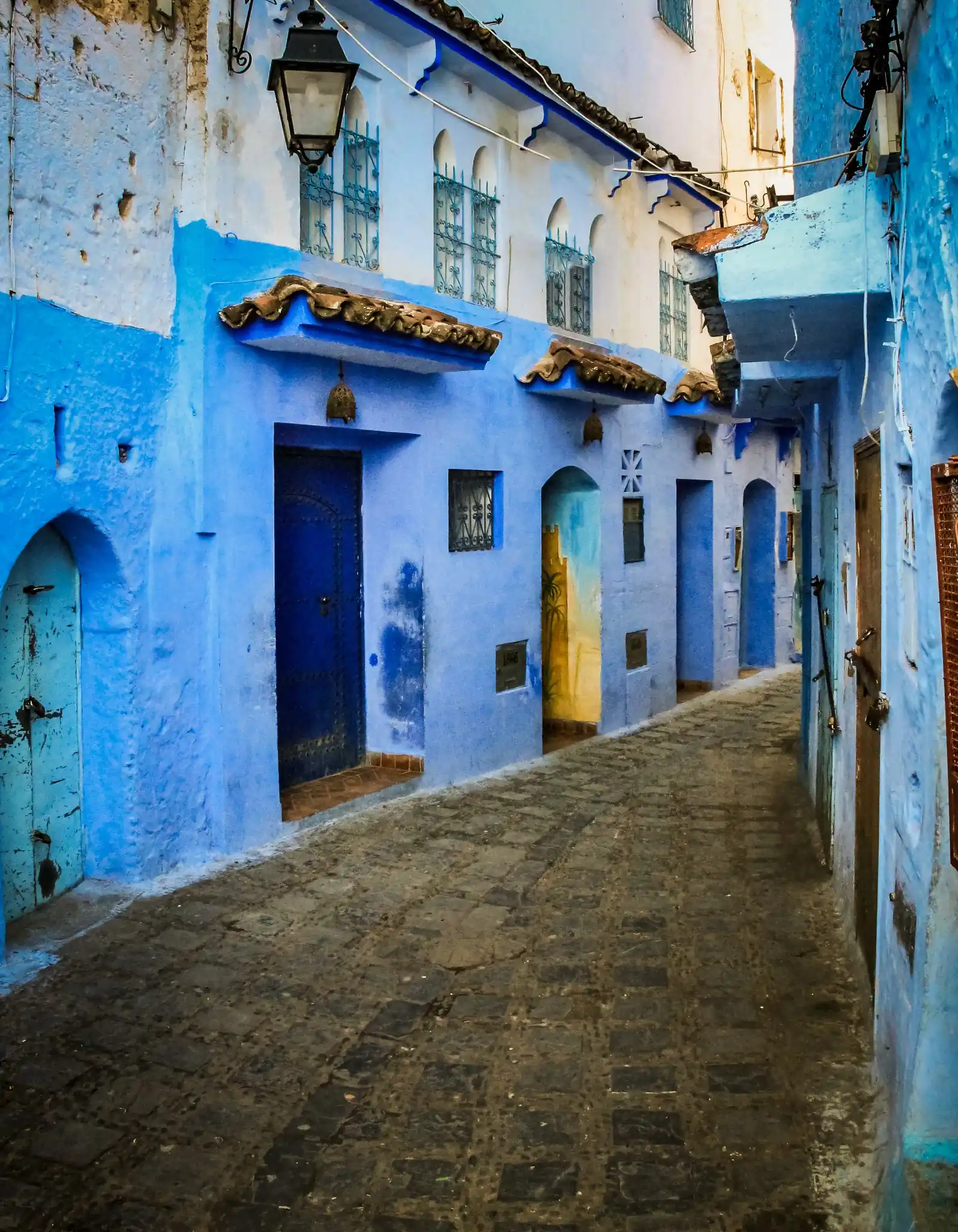
Chefchaouen: The Blue Pearl
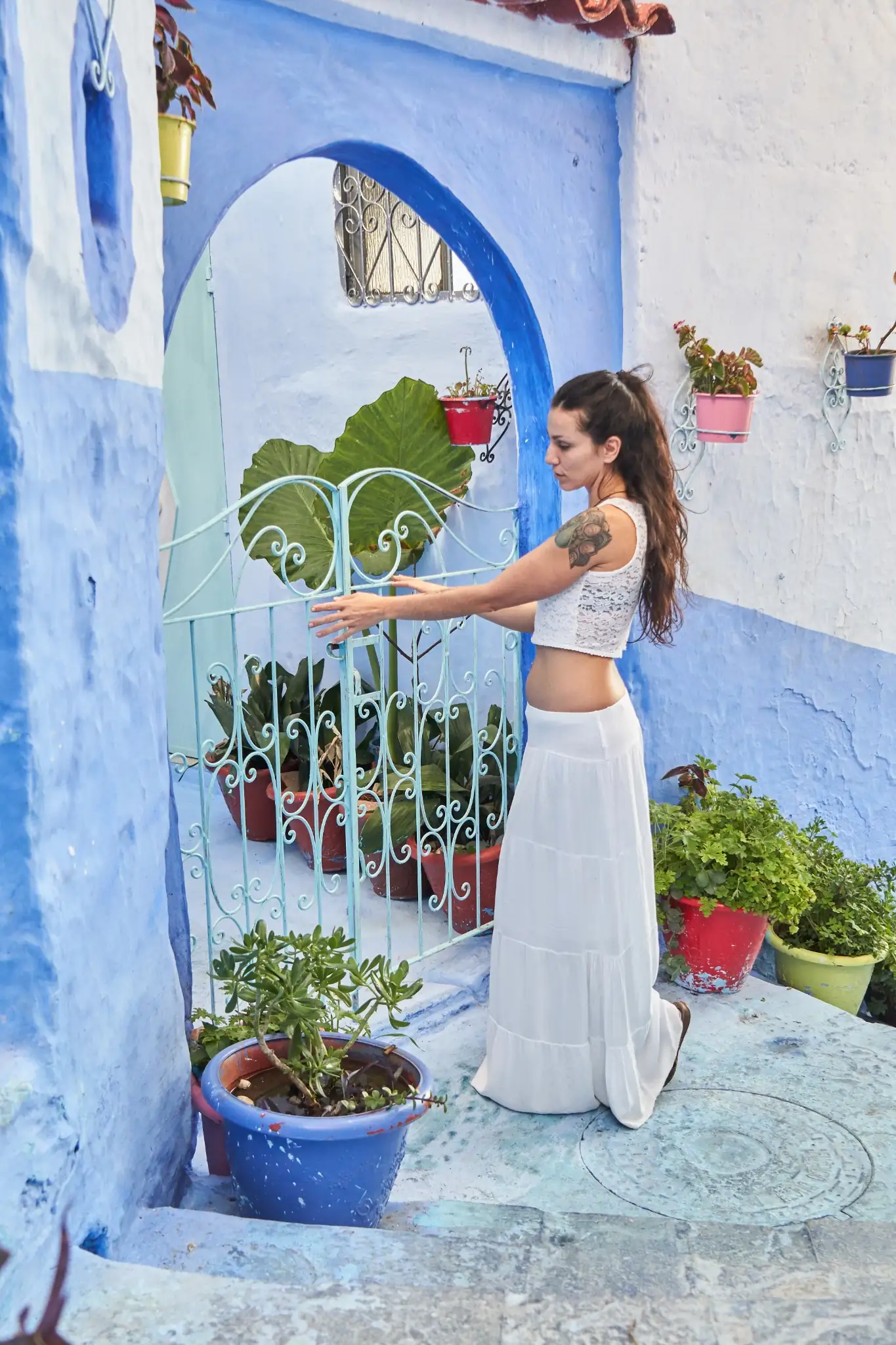
Tucked into the Rif Mountains of the north, Chefchaouen is the most photogenic town in the country — every wall, stair, and doorway washed in shades of blue. But it’s more than a photo stop: the pace is wonderfully slow, the mountain air is fresh, the crafts are unique to the region, and the sunset view from the Spanish Mosque is one of Morocco’s finest moments.
The honest tip: stay overnight. The town is magical early in the morning and at dusk, before and after the day-trippers. It’s about 4 hours from Fes and 2.5 from Tangier — our full Chefchaouen Blue City guide covers everything, including why the town is blue.
Best for: photographers, romantics, and anyone needing a gentle pause in their route.
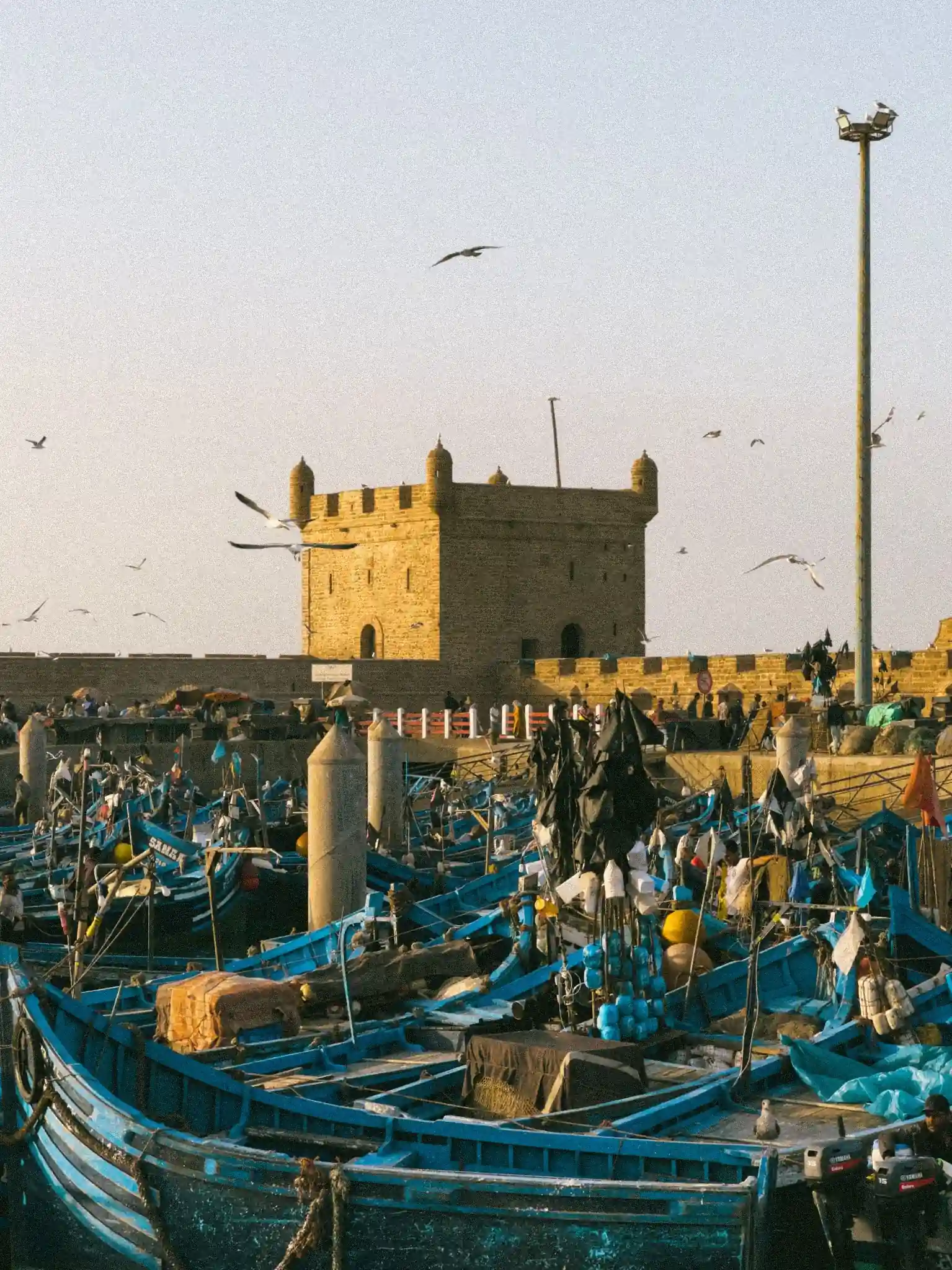
Essaouira: Atlantic Charm
When Marrakech’s intensity peaks, Essaouira is the exhale. This fortified port on the Atlantic — a UNESCO World Heritage medina — is all sea breeze and easy charm: ramparts above crashing waves, blue fishing boats unloading the day’s catch, grilled seafood at the port, art galleries, and the steady wind that has made it a world-class kitesurfing spot.
It works beautifully as a day trip from Marrakech (about 2.5 to 3 hours) or as a relaxing overnight on a longer route. The full picture is in our Essaouira Morocco guide.
Best for: seafood lovers, windsurfers, and travelers who want coastal calm.
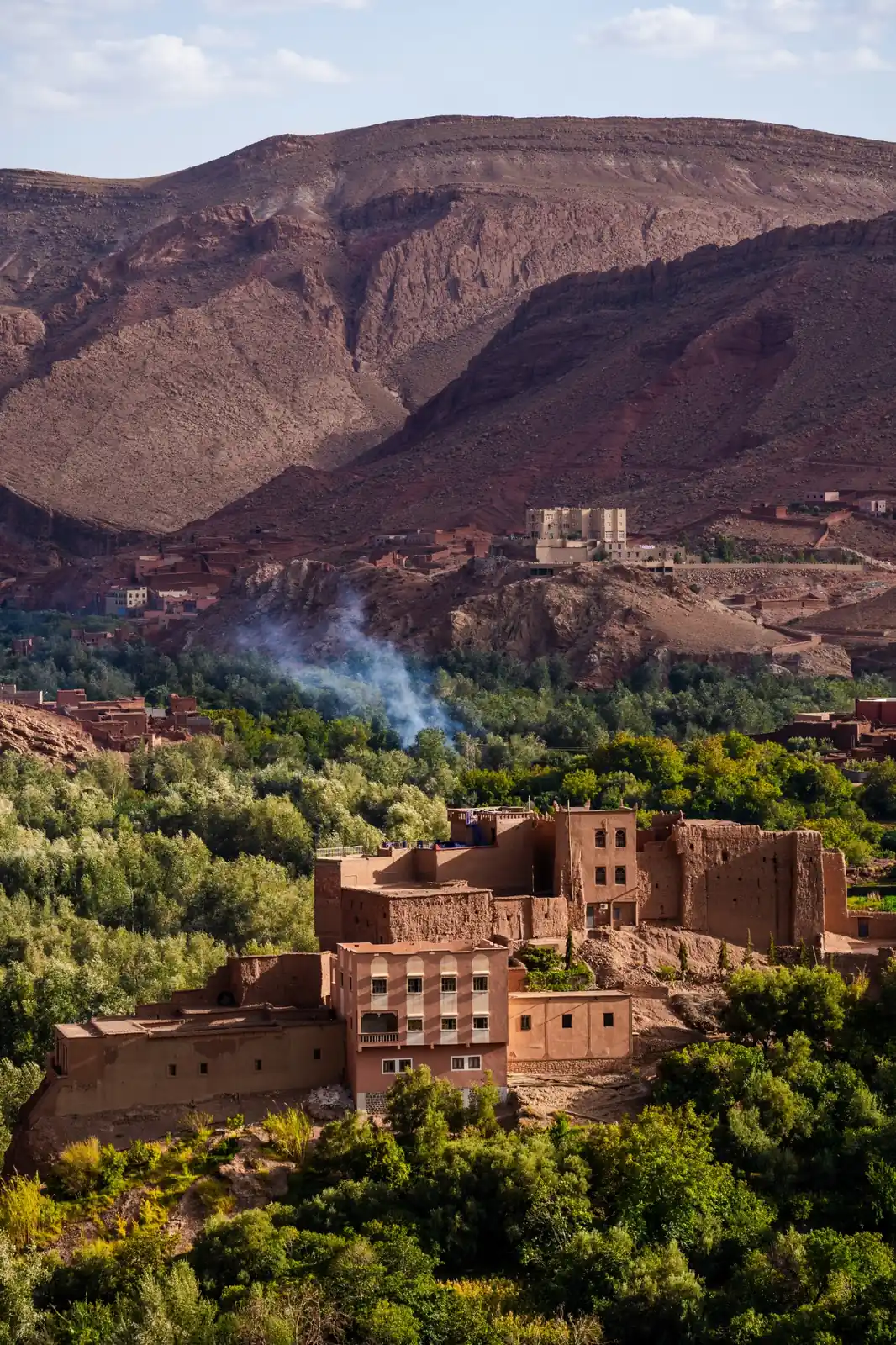
The High Atlas Mountains: Berber Morocco
An hour from Marrakech, the world changes: terraced valleys, walnut groves, mud-brick villages, and the snow-dusted wall of the High Atlas, crowned by Mount Toubkal — at 4,167 metres, the highest peak in North Africa. This is Berber (Amazigh) Morocco, where a day of walking ends with mint tea in a family home.
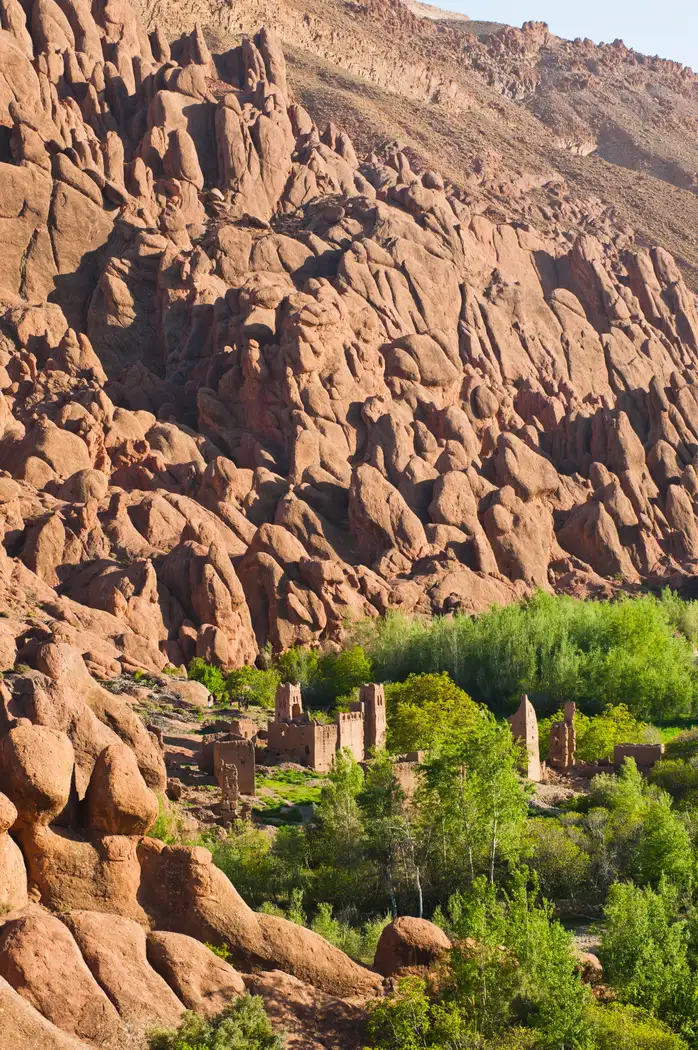
You can taste it in a day — the Ourika Valley, Imlil, or the Three Valleys — or go deeper with a Toubkal trek. Either way, the mountains are the perfect counterpoint to the cities and the desert.
Best for: hikers, nature lovers, and anyone escaping the summer heat.
Aït Ben Haddou and Ouarzazate: The Great Kasbah
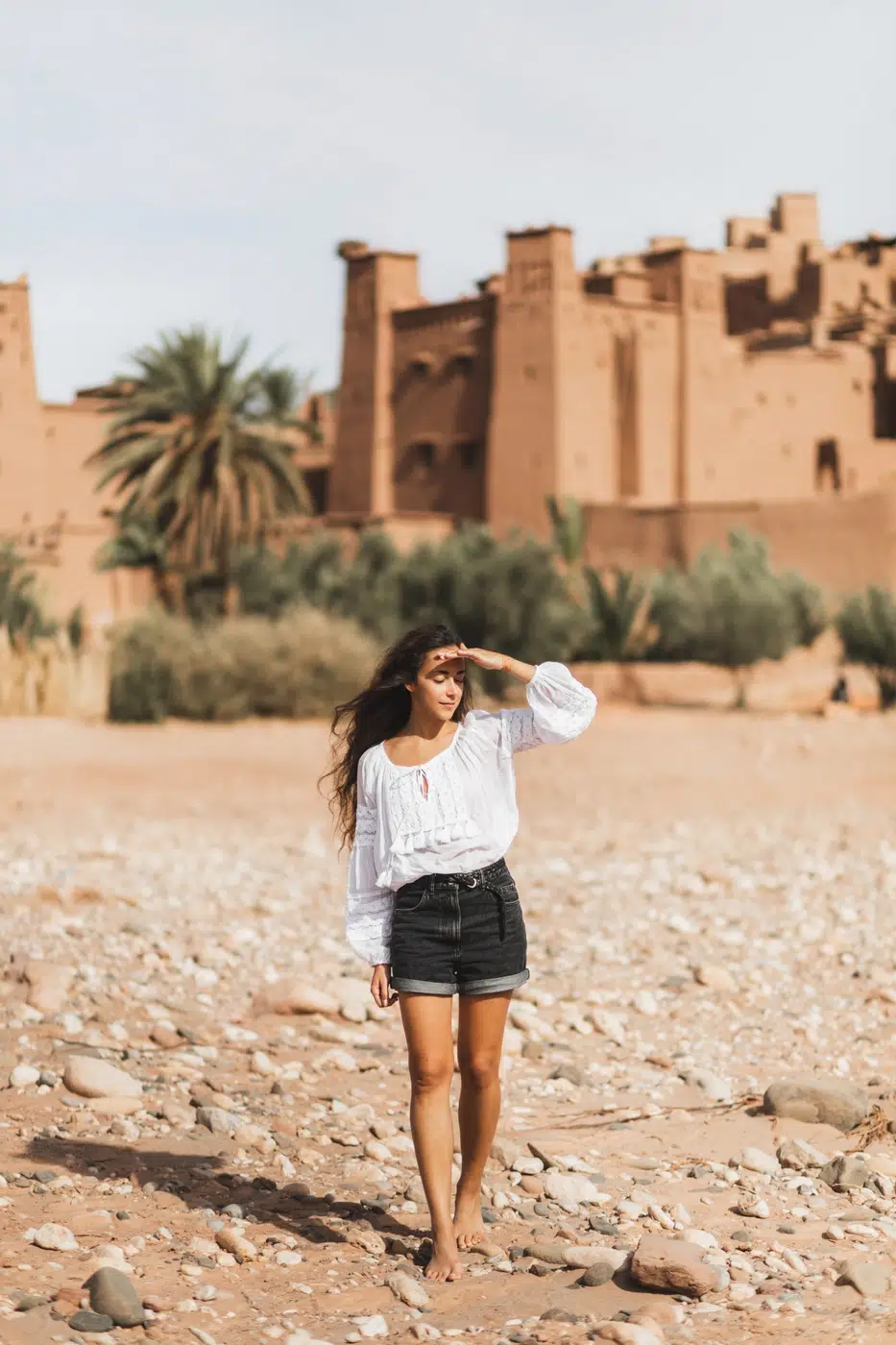
South over the Tizi n’Tichka pass stands Aït Ben Haddou, the most spectacular kasbah in Morocco — a fortified earthen village, UNESCO-listed, that has starred in everything from Gladiator to Game of Thrones. Nearby Ouarzazate, the “Hollywood of Morocco,” adds film studios and the Taourirt Kasbah.
Most travelers see them en route to the Sahara, which is ideal — they’re natural highlights of the desert road. As a standalone from Marrakech, it’s a long but spectacular day.
Best for: film fans, history lovers, and desert-tour travelers.
Casablanca and Rabat: The Modern Face and the Elegant Capital
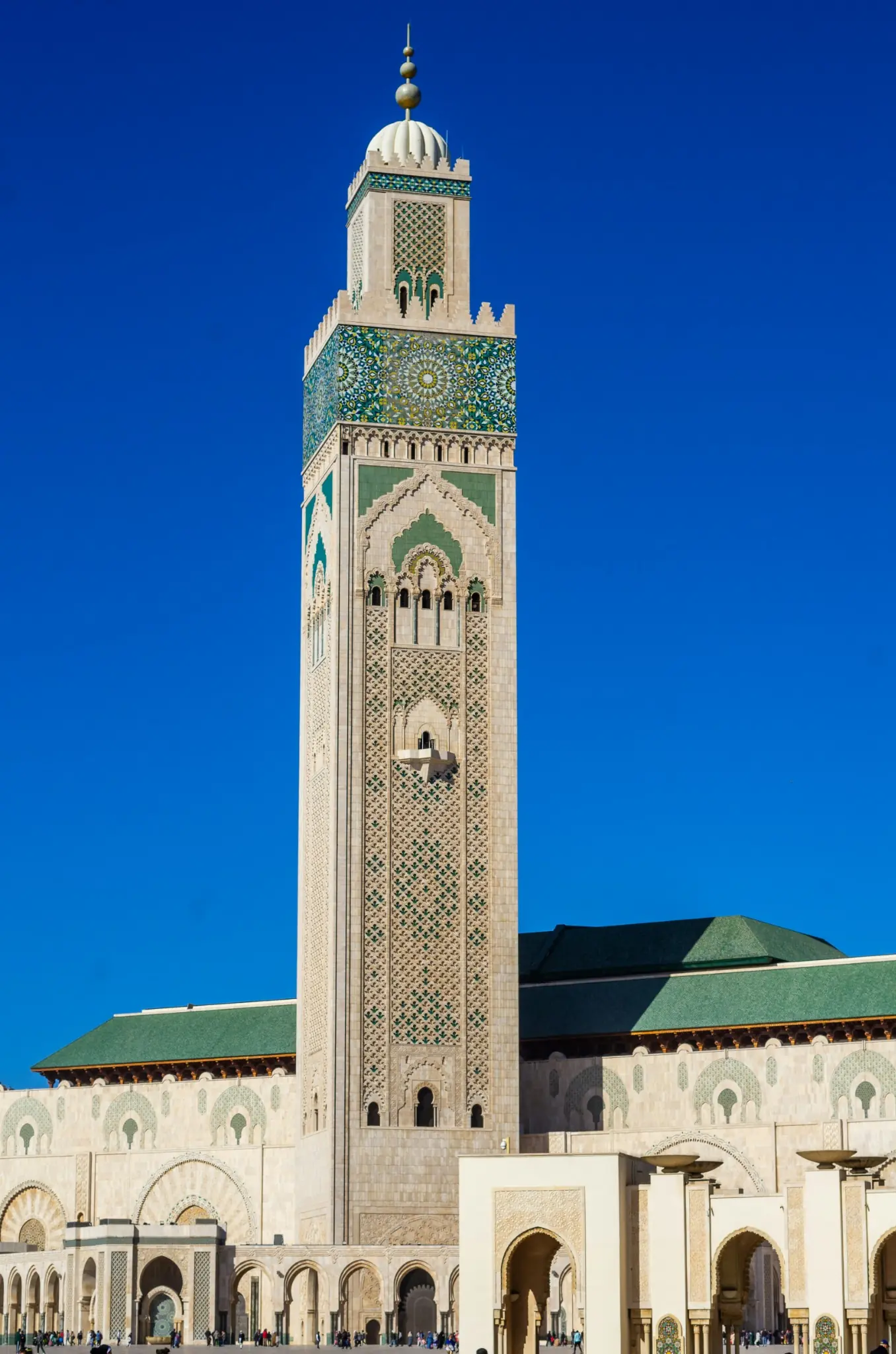
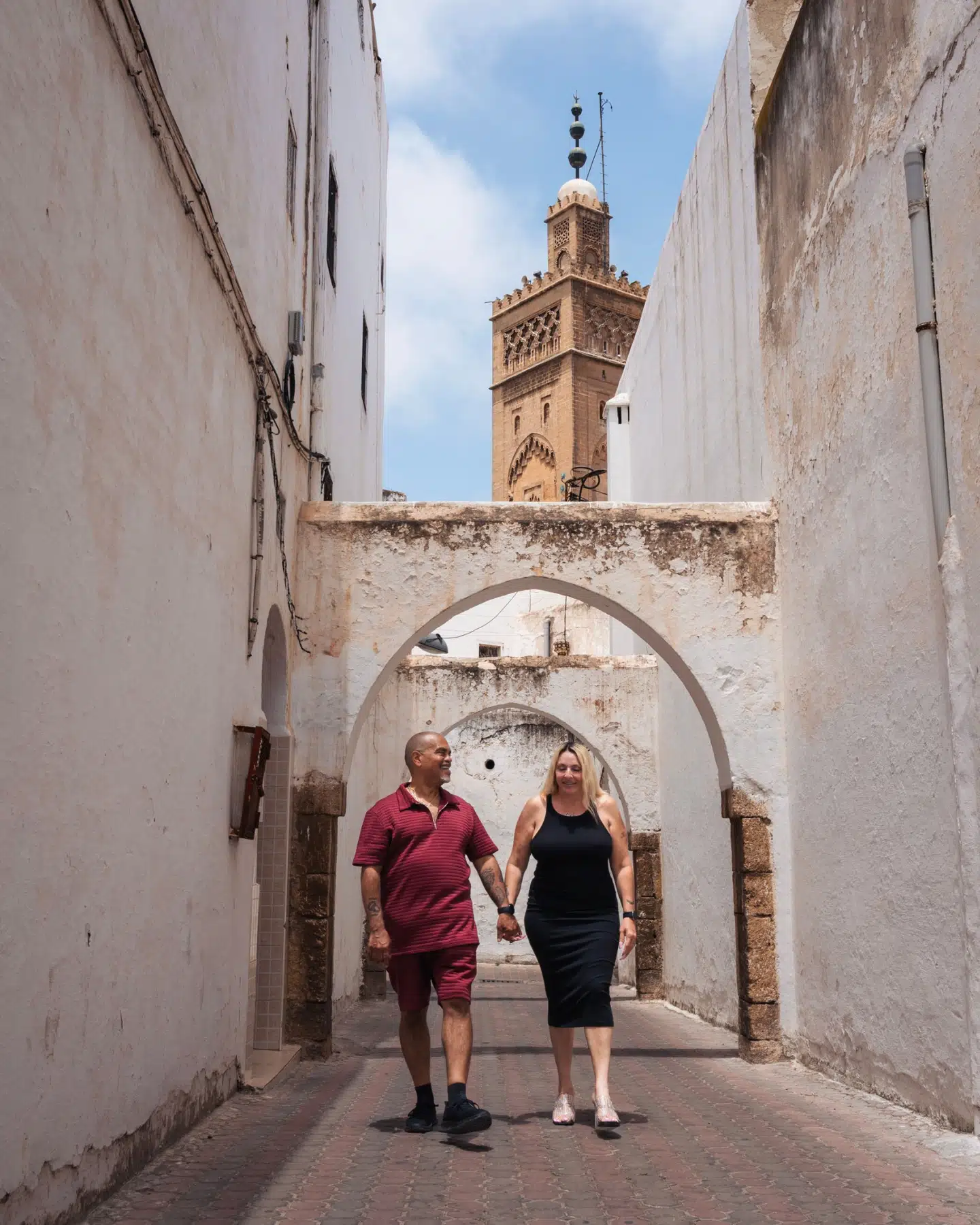
These two Atlantic cities show the Morocco most tourists skip — and shouldn’t entirely. Casablanca, the country’s largest city and main gateway, holds the breathtaking Hassan II Mosque, built out over the ocean and one of the few mosques in Morocco open to non-Muslim visitors. Rabat, the capital, is calm, green, and quietly lovely: the Hassan Tower, the Kasbah of the Udayas, and an easygoing seaside medina.
Neither needs long — a day between them, often at the start or end of a trip, is well spent. See our Casablanca tours guide for the details.
Best for: architecture lovers and travelers starting or ending at Casablanca’s airport.
Meknes and Volubilis: Imperial History and Roman Mosaics
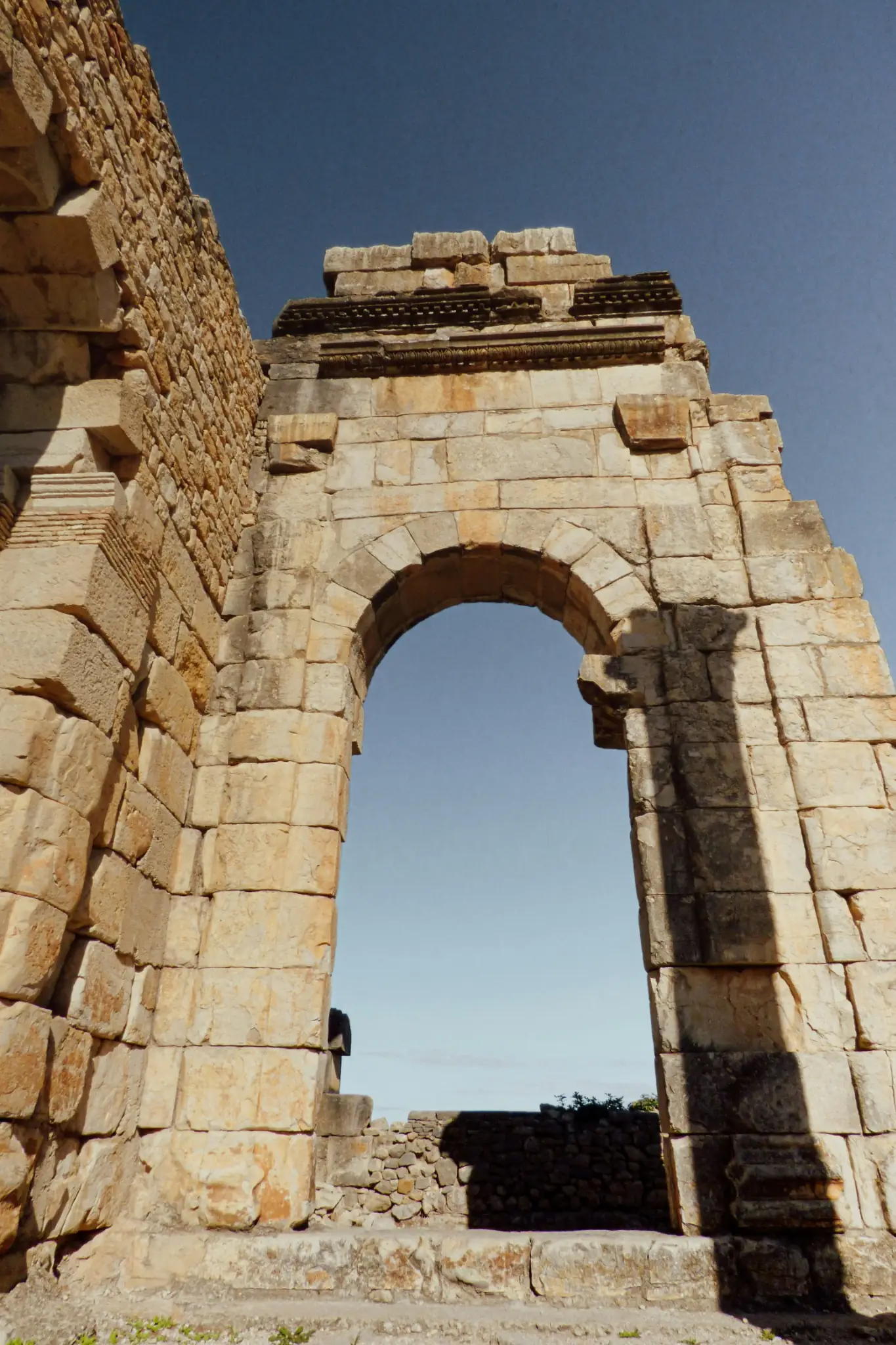
An hour from Fes lies a superb historical double: Meknes, the 17th-century imperial capital of monumental gates and walls, and Volubilis, the best-preserved Roman site in Morocco, where mosaics still lie in place under the open sky. Add the sacred hilltop town of Moulay Idriss and you have one of the best day trips in the country.
Best for: history buffs and Fes-based travelers.
Tangier and the North: Where Two Seas Meet
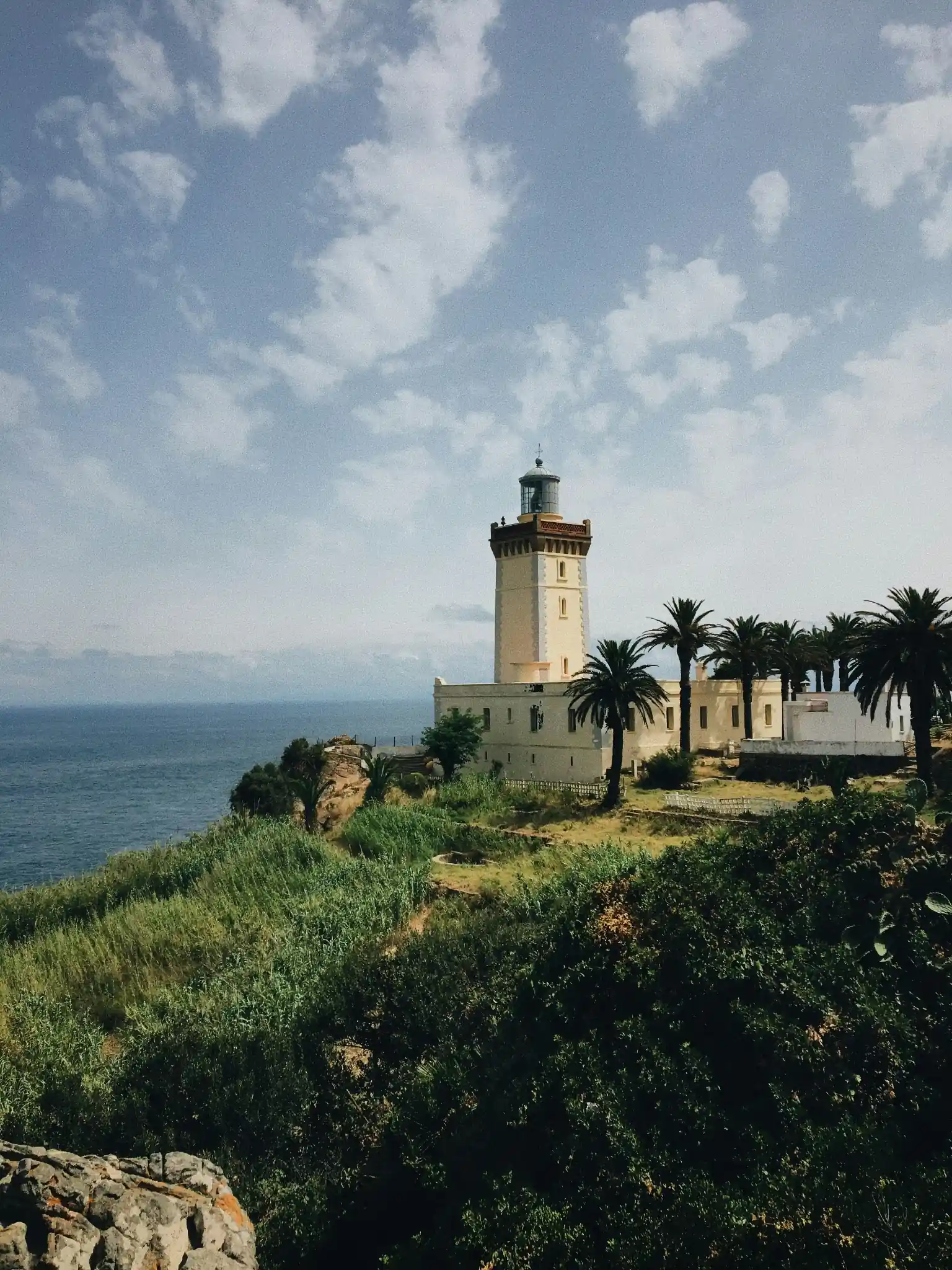
Tangier, perched where the Mediterranean meets the Atlantic, has a cosmopolitan swagger all its own — a legendary literary past, a revitalized medina, and the dramatic Caves of Hercules at Cap Spartel. It’s the natural gateway for travelers arriving from Spain, and pairs perfectly with Chefchaouen and the whitewashed artists’ town of Asilah.
Best for: travelers arriving from Europe and lovers of layered, storied cities.
How to Combine the Best Places: Sample Routes
The real question isn’t just where — it’s how to connect them. Here’s what works.
The Classic First Trip (7–10 days): Marrakech → Atlas day trip → the desert road via Aït Ben Haddou → a Sahara night at Merzouga → Fes. The essential Morocco, beautifully paced. Add Chefchaouen or Essaouira with 10 days.
The Northern Route (5–7 days): Casablanca → Rabat → Meknes & Volubilis → Fes → Chefchaouen → Tangier. History, culture, and the blue city, ideal for travelers landing at Casablanca.
The Full Grand Tour (12–15 days): Everything above, connected in one unhurried sweep from the north to the desert to the coast. The complete country.
Whatever your dates, we design private, custom itineraries that connect your chosen places seamlessly — and if you’re dreaming of the top-end version, see our Morocco luxury trip page.
Local Expert Advice for Choosing Where to Go
The honest counsel we give our own travelers.
Don’t try to see everything. Morocco is bigger than it looks, and the distances are real. Five places enjoyed beat ten places glimpsed — every time.
Pair contrasts. The magic of a Morocco route is variety: a city, then mountains; the desert, then the coast. Alternate intensity with calm and every place shines brighter.
Respect the desert’s distance. Merzouga needs three days. If your time is very short, the Agafay Desert near Marrakech offers a one-evening taste — honest about it: stony, not dunes, but atmospheric.
Give Fes a guide and Chefchaouen a night. The two most common regrets we hear are rushing Fes without a guide and day-tripping Chefchaouen. Both are easily avoided.
Match the season to the route. Spring and autumn open every door; summer favors the coast and mountains; winter favors the cities and the south with cold desert nights.
When Is the Best Time to Visit Morocco
Spring (March to May) and autumn (September to November) are the golden windows — comfortable everywhere, from the medinas to the mountains to the dunes. These are the ideal seasons for a route that combines several of the places above.
Summer (June to August) is hot inland (Marrakech and the desert regularly top 40°C), so the compass swings to Essaouira’s breeze, the Atlas’ altitude, and the north.
Winter (December to February) is mild and sunny in the cities and the south, with snow dusting the Atlas — beautiful — though Sahara nights are cold and the north can be rainy.
If you can choose freely: April, May, October, and November are as good as Morocco gets.
Common Mistakes Travelers Make When Choosing Where to Go
Cramming too many places into too few days. The number one mistake. Morocco’s distances and richness demand breathing room — build your route around fewer, deeper stops.
Treating the Sahara as an afterthought. Travelers who “squeeze in” the desert often end up at the wrong dunes or exhausted. Plan the three days properly; it will be your highlight.
Skipping the north entirely. Chefchaouen, Fes, and Tangier form a superb circuit that many first-timers miss by staying south. If you have ten days, don’t.
Judging Casablanca by its reputation. It’s no Marrakech, true — but skipping the Hassan II Mosque when you land there is a genuine miss.
Ignoring the seasons. A July route through Marrakech and the desert, or a January beach plan, sets you up for disappointment. Match places to months.
Booking each place separately. Stitching together disconnected bookings wastes time and money. One local team designing the whole route means every piece fits.
Turn This List into Your Journey with Morocco Desert Hub
Now you know the places. The blue lanes of Chefchaouen, the star-drowned silence of the Sahara, the medieval maze of Fes, the golden evenings of Marrakech, the Atlantic wind at Essaouira — each one is real, reachable, and even better than the photographs.
The only thing left is to connect them into your route — and that’s exactly what we do best. As a licensed local team with guides who grew up in these very places, Morocco Desert Hub designs private journeys that link the best places to visit in Morocco into one seamless, unhurried adventure, built entirely around you.
Tell us your dates and the places that made your heart beat faster, and we’ll send you a tailored itinerary and a transparent quote within 24 hours — no obligation, no pressure, and just a 10% deposit to secure your trip.
Your Morocco is waiting to be mapped. Let’s draw it together — contact Morocco Desert Hub today.